
Why Flat Artwork Rarely Translates Directly into Embroidery
Embroidery is a unique art form that transforms flat artwork into textured, vibrant designs on fabric. However, the process of converting flat artwork into embroidery is not as straightforward as it might seem. This transformation involves a complex process known as embroidery digitizing, which is essential for ensuring that the final embroidered product maintains the integrity and quality of the original design.
The Complexity of Embroidery Digitizing
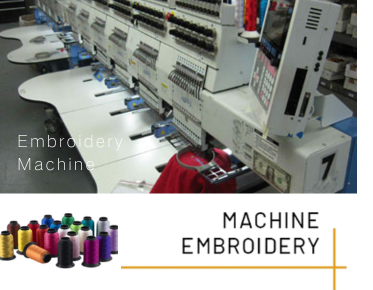
Embroidery digitizing is the process of converting artwork into a stitch file that can be read by an embroidery machine. This process requires a deep understanding of both the artwork and the capabilities of the embroidery machine. Unlike flat artwork, which is created on a two-dimensional plane, embroidery adds a third dimension through the use of threads, which can create depth and texture. This means that the digitizer must consider how different stitches will interact with the fabric and how they will appear once embroidered.
Understanding the Limitations of Flat Artwork
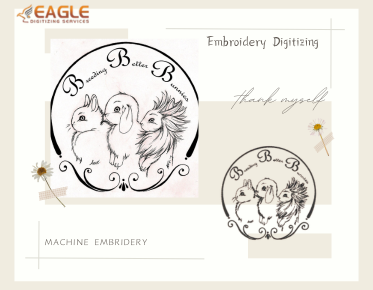
Flat artwork is typically created with digital tools or on paper, using colors and lines to convey an image. However, when translating this into embroidery, several factors must be considered. For instance, the thickness of the thread can affect the detail that can be achieved. Fine lines in a drawing may not translate well into embroidery, as the thread may be too thick to capture the detail. Additionally, the colors available in thread form may not match exactly with the colors in the original artwork, requiring adjustments and compromises.
The Role of Skilled Digitizers
Skilled digitizers play a crucial role in the successful translation of flat artwork into embroidery. They use specialized software to map out the stitches, considering factors such as stitch type, direction, and density. This expertise is vital in ensuring that the final embroidered piece is both aesthetically pleasing and durable. Companies like Eagle Digitizing employ experienced digitizers who are adept at handling these challenges, ensuring high-quality results for their clients.
Challenges in Embroidery Digitizing
One of the main challenges in embroidery digitizing is maintaining the integrity of the original design. This often involves making adjustments to the artwork to ensure it can be effectively embroidered. For example, small text or intricate details may need to be simplified. Additionally, the digitizer must consider the type of fabric being used, as different fabrics can affect how the embroidery sits and looks. For instance, a design that works well on a cotton t-shirt may not translate as well onto a stretchy or textured fabric.
Why Choose Professional Digitizing Services?
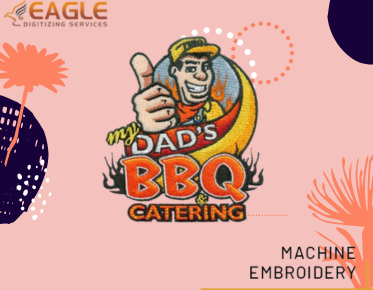
Given the complexities involved in embroidery digitizing, many businesses opt to use professional services. These services offer the expertise and technology needed to ensure that the final product meets the desired standards. Eagle Digitizing, for example, provides a range of services that cater to different embroidery needs, from simple logos to complex designs. Their team of skilled digitizers ensures that each project is handled with care, providing high-quality results that enhance the original artwork.
Adapting to Different Fabrics and Textures
Another critical aspect of embroidery digitizing is adapting the design to suit different fabrics and textures. Each fabric type can present unique challenges, such as how the thread interacts with the material or how the fabric's texture affects the appearance of the embroidery. Professional digitizers are skilled at making these adjustments, ensuring that the final product looks as intended, regardless of the fabric used.
The Future of Embroidery Digitizing
As technology continues to advance, the field of embroidery digitizing is also evolving. New software and techniques are being developed to make the process more efficient and to allow for even greater creativity in design. This evolution is opening up new possibilities for what can be achieved with embroidery, making it an exciting time for both digitizers and those who rely on their services. As the industry grows, companies like Eagle Digitizing are at the forefront, continually updating their skills and services to meet the changing needs of their clients.
The art of embroidery digitizing is a testament to the blend of creativity and technology. While flat artwork rarely translates directly into embroidery without adjustments, the process of digitizing allows for the creation of beautiful, textured designs that bring the original artwork to life in a new and exciting way. As you consider your next embroidery project, think about how professional digitizing services can help you achieve the best possible results.