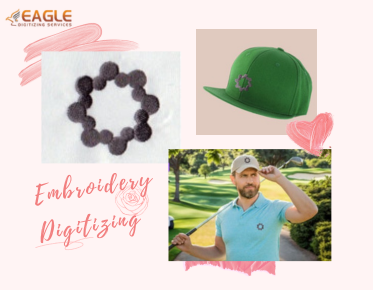

How long does professional digitizing really take?
When it comes to embroidery, nothing is more crucial than precise and professional digitizing. Whether you’re running a promotional campaign, launching limited-edition apparel, or elevating a brand, the time it takes for a project to be professionally digitized determines both your production timeline and your finished product’s quality. Customers, marketers, and small business owners often wonder: How long does professional digitizing really take? Let’s dive into the step-by-step journey of professional digitizing, explore the factors that influence turnaround time, and uncover how industry leaders manage to blend speed with flawless results.
The Fundamentals of Professional Digitizing
At its core, professional digitizing is the process of converting artwork—company logos, artwork, photos, or even intricate illustrations—into a digital stitch file format readable by embroidery machines. This process is the backbone of any successful embroidery digitizing project, ensuring every tiny detail translates accurately onto fabric. Mastery in this field calls for both advanced software and years of expertise, making it a service that’s highly specialized and ever-evolving.
Unpacking the Digitizing Workflow
Understanding the digitizing timeline means breaking it down into key phases:
1. Initial Consultation & Artwork Preparation
The journey starts with clients submitting crisp and color-separated artwork. Professional digitizers—like the team at Eagle Digitizing—often advise clients on the best formats (such as JPG, PDF, AI, or CDR) and encourage high-resolution images to maximize stitch accuracy. Early clarifications such as size, fabric type, and color requirements are gathered during this phase to tailor the stitch file precisely to the intended application.
2. Digitizing the Design
The real magic unfolds as specialized software is used to trace and translate artwork into thousands of stitch points. This work demands a nuanced understanding of both art and embroidery mechanics. The time investment here varies: simple logos might only need an hour while detailed jacket-back or unique cap designs could take several hours or more, depending on the specifics involved.
What Influences Digitizing Turnaround Time?
Despite the efficiency of modern tools, several factors play pivotal roles in dictating how quickly a design is digitized. Let’s explore these deeper:
Complexity of Artwork
A straightforward, single-color logo on a flat surface can be digitized much faster than multi-layered, highly detailed, or three-dimensional images. If gradients, shading, or unusual textures are involved, expect the timeline to stretch as digitizers meticulously plot stitch types, directions, and densities.
Size and Placement
A left chest logo needs fewer stitches and adjustments than a full jacket-back design. Similarly, digitizing for a cap logo or tiny patch—where distortion risk is high—calls for additional checks and test samplings, which extends processing time.
Revision and Proof Cycles
Many professional digitizing companies offer revisions as standard practice. This ensures a perfect match between the digital proof and the client’s expectations. Each revision typically adds extra hours, although industry-leading providers minimize this stage through expert communication and rigorous quality assurance.
Order Volume and Prioritization
Bigger orders or especially urgent ones can affect timing. Some digitizing partners—particularly those focusing on enterprise or promotional clients—are equipped to handle bulk orders by assigning multiple digitizers, thereby reducing individual turnaround. Service providers often structure their workflow to offer “rush” options for a premium, but efficiency always depends on proper project management.
The Speed of Professional Embroidery Digitizing Services
With over 25 years of expertise, Eagle Digitizing has set industry benchmarks for responsive, high-quality digitizing. Their standard turnaround time usually ranges from 2 to 6 hours for most designs, with intricate work rarely exceeding 12 hours. They even offer same-day or within-the-hour urgent services for clients with tight deadlines, all without sacrificing quality or attention to detail. Quick delivery is not a matter of cutting corners but of highly optimized workflow, experienced digitizers, and robust internal quality assurance protocols.
Industry Benchmarks vs. Realistic Expectations
Across North America and beyond, the typical turnaround quoted by professional digitizing companies is between 8 and 24 hours. However, the real difference is made by the company’s commitment to customer satisfaction, willingness to revise freely, and the rigor of their quality checks. Industry data shows most companies deliver left chest and cap designs faster than large-format artwork, specialized textures, or 3D digitizing projects.
Breaking Down the Timeline: A Case Study Approach
Consider a business requesting three unique embroideries: a left chest logo, a cap logo, and a large jacket-back piece. Here’s a potential breakdown:
- Artwork submission and clarification: 30 minutes – 1 hour (varies depending on how clear the instructions and files are)
- Small logo digitizing: 1–2 hours
- Cap logo digitizing: 2–4 hours (more adjustments for curvature/fabric types)
- Jacket back digitizing: 4–8 hours (depending on intricacy)
- Proofing, testing, and revisions (if any): 1–3 hours
Many high-level embroidery digitizing services expedite these steps by assigning expert teams, enabling multiple file works in parallel—a crucial advantage for agencies and promotional suppliers working on tight event-driven schedules.
Technology’s Impact: More Than Just Software
It’s tempting to believe advanced software alone is enough, but the truth is, expert digitizer teams are irreplaceable. Modern platforms automate elements, yet talented eyes are needed for efficient pathing, proper underlay, stitch density selection, and thread tension planning. Skilled professionals also know how to minimize thread breakage, ensure smooth sewing, and select the right stitch types for durable, beautiful results every time. Embroidery machines may have evolved, but it’s the combination of modern tools and human artistry that ensures digital files perform flawlessly in real-world production.
Ensuring Quality: The Extra Mile in True Professionalism
The best companies, like Eagle Digitizing, go above and beyond simple conversion. Before delivery, they test sew each design using target materials and threads, tweak as necessary, and attach a sewn sample photo to the final digital files. This comprehensive approach saves clients time and money by preventing costly production errors. Clients also benefit from live, real-time customer support, quick response times, and completely secure, straightforward ordering processes, making collaboration effortless from anywhere in the world.
Why Choose a Professional Over Automated or DIY Options?
Some business owners explore automated “one-click” digitizing tools or attempt DIY digitization. These options may seem faster on the surface but often overlook key factors like complex pathing, color blending, or multi-fabric adaptability. The results? Longer troubleshooting, excessive thread breaks, poor fabric coverage, or in-wear discomfort. Turning to a reputable logo digitizing service ensures resilient, aesthetically pleasing outcomes, saving time and frustration in the long run.
Tips to Speed Up Your Digitizing Projects
- Submit clear, high-resolution artwork: The fewer clarifications needed, the faster your digitizer can start working.
- Be specific with requirements: Share fabric type, color details, and size. If you’re unsure, ask for expert recommendations for optimal stitch choices.
- Respond promptly to proofs and revision requests: Fast client feedback keeps projects moving briskly.
- Choose a partner with live customer support and quality guarantees: Providers like Eagle Digitizing offer 24/7 coverage and satisfaction-driven revision policies, ensuring delivery is both swift and precise.
Complex Projects and Rush Orders: What to Expect
If you require specialized embroidery—such as chenille textures, sequin layouts, or highly customized patches—expect slight extensions to your digitizing timeline. Providers boasting broad service ranges, from flocking to leather patches and from 3D puff to intricate woven details, usually have both technology and talented staff to accommodate unique project needs. For agencies, promo suppliers, or local embroidery shops working with event-driven deadlines, the availability of urgent digitizing services is invaluable.
Making the Most of Professional Embroidery Digitizing Services
Small and midsize businesses, marketing agencies, product suppliers, and even local embroidery shops benefit from outsourcing digitizing to professionals offering flexible pricing and customization. These services adapt to a diverse array of products, such as company uniforms, promotional hats, limited-edition team apparel, custom gifts, and branded swag—providing creative and design-led solutions on a consistent, reliable schedule.
From Order to Download: The Modern Customer Experience
Most leading digitizing companies streamline the ordering process into clear, actionable steps. Register, upload your design, specify your needs, and receive a free quote instantly. After payment, digitized files are delivered via secure download links, with real people available for support every step of the way. This customer-first approach is the reason many businesses, from large promotional suppliers to local embroidery cap shops, keep coming back to companies with decades of proven reliability and innovation.
Forecasting the Future: Trends in Digitizing and Service Turnaround
As digitizing technology continues to evolve, so does the standard for turnaround speed and quality. Real-time file previews, AI-assisted typo correction, and cloud-based proofing all promise to cut down in-process delays. But at the heart of the best digitizing services remains the dedication to perfection, reliability, and ongoing client support—traits that software can only enhance, not replace. It’s likely that in the coming years, even more advanced automation and real-time collaboration tools will allow custom embroidery digitizing to be completed even faster, while upholding the standards that have defined leading providers for decades.
In such a competitive and fast-moving industry, understanding exactly how long professional digitizing takes is invaluable. But as deadlines shrink and design needs grow, the true differentiator will always be expert experience and committed service—a winning combination for any brand looking to stand out in stitches.
.png)