
Why Vector Files Often Need Adjustments Before Mass Production
Vector files are a remarkable innovation in the field of digital design, renowned for their scalability and flexibility. As opposed to raster files, which consist of a fixed number of pixels, vector files are composed of paths defined by mathematical equations. This allows vector images to be resized infinitely without losing quality, making them indispensable in many professional fields such as graphic design, marketing, and mass production. However, transitioning these highly versatile files into mass production is often not as seamless as one might expect.
The Intricacies of Vector Files
Despite their advantages, vector files often demand adjustments before they are used in mass production. One significant reason is that while vector graphics are perfect for screen displays, they often require additional refinement for printing and manufacturing processes. The limitations arise largely because of differences in how colors and edges are rendered on digital devices compared to physical materials.
Colors in vector files are generally depicted using RGB color models, which are suitable for digital displays but not ideal for print or physical production, which often use CMYK or other specific color models. As part of the preparation, changes must be made to ensure the colors will be represented faithfully when printed.
Technical Adjustments in Vector Art
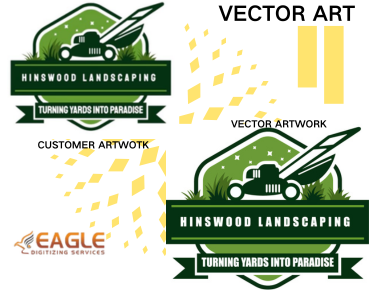
The process often involves vector art conversion services that adapt the files for use across different outputs from digital to physical formats. This includes optimizing the vectors for printing, ensuring clean lines in complex designs, and preparing the image for accurate color printing. This service can be provided by companies that specialize in professional vector art conversions, which involve color correction, resizing, or revamping of vector elements to maintain integrity across platforms.
Challenges in Mass Production
Mass production also poses challenges due to the scale of reproduction. In industries like apparel manufacturing, screen printing entails the separation of colors into layers. Each of these layers represents a different screen, hence requiring careful vector color separation. This meticulous preparation ensures that the artwork remains true to its design, even when printed on textiles or materials using different application techniques.
Vector File Formats and Their Implications
Furthermore, the format of a vector file can impact its use in production. Formats like AI, EPS, and PDF each have their unique benefits and limitations, necessitating conversions to suit specific printing requirements. For instance, a format optimized for screen may not perform well in direct-to-garment printing without prior adjustment, underscoring the importance of expert image to vector conversion services.
Eagle Digitizing: A Solution Provider
Eagle Digitizing offers specialized services to handle these adjustments effectively. With expertise in raster to vector conversions and other related services, it ensures that vector art is ready for a wide range of applications, from digital displays to high-quality prints. Their professional team works around the clock to deliver high fidelity results with quick turnaround times, catering to diverse printing and promotional needs.
Conclusion
The demand for preparations and adjustments of vector files before mass production is an essential facet of the digital design world, safeguarding the quality and accuracy of the final product. As technology and industry needs continue to evolve, the role of vector files and their preparation will grow increasingly important, making professional vector adjustment services a vital resource for businesses looking to capitalize on their digital assets.