
Why Hand-Drawn Artwork Often Loses Character After Vector Conversion
Hand-drawn artwork carries a unique charm and character that can sometimes be lost during the vector conversion process. Vector conversion is a critical process for transforming analog designs into digital formats that are scalable and versatile. However, while vector images offer numerous advantages, such as scalability without loss of quality, and the ability to be easily manipulated, they may also lead to the loss of certain artistic elements that make hand-drawn artwork distinctive. Understanding the challenges of vector conversion and the methods to mitigate character loss is essential for artists, designers, and those in the vector art services online.
Understanding Vector Conversion
Vector conversion involves transforming raster images—composed of pixels—into vector graphics that consist of paths defined by mathematical equations. This transformation is crucial for various applications, including digital printing and graphic design. It is imperative for a vector conversion service to maintain the integrity of the original artwork while translating it into a format like SVG, AI, or EPS.
Challenges in Vector Conversion
Detail Loss
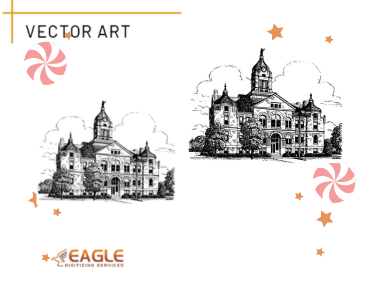
One of the primary challenges during vector conversion is the potential loss of small, intricate details that characterize hand-drawn artwork. The inherent nature of vector graphics means that fine gradations, textures, and subtle shading inherent in hand-drawn pieces can be difficult to replicate. As vectors are created through lines and curves, intricate patterns may become overly simplified, resulting in a loss of depth and detail.
Misinterpretation of Lines
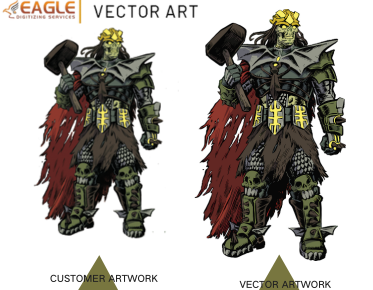
Misinterpretation of lines is another issue artists often face. Hand-drawn art involves spontaneous, organic lines that might not translate perfectly into the precise and clean lines of vectors. The nuances of line weight and pressure sensitivity—typically captured in traditional media—are often homogenized in the vectorized version. Services offered by companies like Eagle Digitizing ensure the retention of character by employing skilled vector artists who understand the artistic value of each line and detail.
Color and Texture
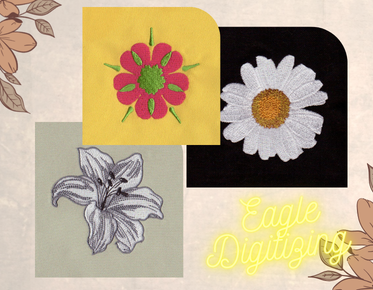
Another significant aspect is the challenge with color representation. Hand-drawn art often uses a spectrum of shades and textures that give each piece its unique feel. In vector format, these may become flat or require intensive recoloring and texturing efforts. Techniques like vector texture mapping and advanced color separation are essential for preserving the integrity of the original work.
Preserving Artwork Character
Advanced Techniques and Tools
Using advanced vector software, like Adobe Illustrator, provides more control over line fidelity and color precision, allowing for more accurate reconstructions of original artwork. Skilled professionals utilize techniques such as layering and vector masking to maintain the authenticity of the artwork.
Experience and Expertise
With experienced and skilled digitizers, firms like Eagle Digitizing offer raster to vector conversion services that prioritize the essence of the original art. Their expertise spans various formats, providing quick turnarounds and high satisfaction rates by focusing on details and fidelity to ensure that artworks do not lose their original charm.
Emerging Trends and Future Perspectives
As technology advances, new tools and techniques are emerging that promise to reduce the loss of character in vector conversions. Machine learning algorithms and AI in vectorizing processes show potential in automatically detecting and preserving the intricate details of artwork. This trend offers exciting possibilities for the future, where artists can ensure their unique styles are maintained across digital platforms.
Considering the critical role of vector conversions in modern design, artists and businesses must work closely with skilled vectorization services to ensure that their art retains its uniqueness across all formats. How might future technological advancements further enhance the fidelity of hand-drawn artwork in digital formats?