
How Vector Complexity Directly Affects Printing Costs
The world of printing is inherently linked to the intricacies of designs and images. At its core, vector art significantly influences the economics of printing activities. Understanding this relationship is crucial for businesses and designers alike, striving to optimize their printing outputs in terms of both quality and cost. The complexity of vector images plays a pivotal role in determining printing costs, which can considerably vary based on the specifics of the vector design.
The Role of Vector Art in Printing
Vector art is quintessentially different from raster images. While raster graphics are pixel-based, vector images use paths defined by mathematical expressions, making them scalable to any size without loss of quality. This attribute makes vectors ideal for various printing processes, from small stickers to large billboards. Despite their advantages, the complexity embedded within a vector image can dramatically affect the cost implications during the printing phase.
Understanding Vector Complexity
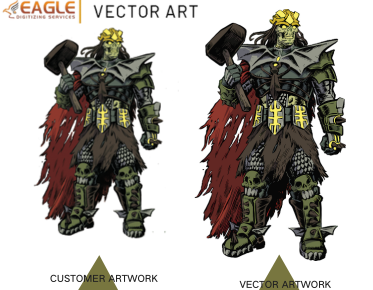
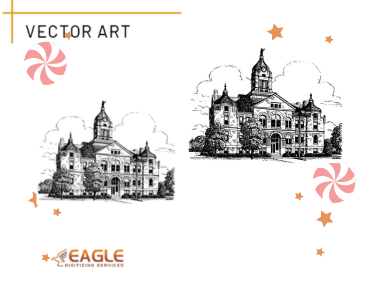
Complexity in vector art is usually defined by the number of Path nodes, layers, and color variations present in an image. More intricate designs require additional processing time and resources which naturally escalate the costs. Simple vectors generally have fewer paths and limited colors, whereas complex vectors might include numerous paths, gradients, and color separations.
Impact on Printing Costs
The cost implications of printing with vector art are closely tied to the design's complexity. Here's how:
- Time-Consuming Adjustments: More complex vectors need extensive preparation time before printing. For instance, separating colors for screen printing or adjusting gradients demands intricate handling.
- Increased Material Use: Complex designs might lead to higher consumption of inks or other printing materials, particularly if multiple colors or overlays are involved.
- Advanced Equipment Requirements: Detailed vector images may necessitate specialized equipment capable of handling fine lines and multiple colors accurately, thus raising operational costs.
As a tangible example, vector conversion services often offer price stratifications based on the detail level required in the conversion. Services like Eagle Digitizing provide such tailored solutions to meet the varied needs of their customers. They specialize in vector conversion services that are designed to make detailed adjustments more manageable, inherently affecting the cost dynamics of subsequent printing processes.
Balancing Cost and Quality in Vector Art
Employing vector art in printing is a balancing act between achieving high-quality output and managing cost efficiency. Here are some strategies to achieve this balance:
- Simplifying Designs: Where possible, streamline complex designs into simpler forms. This not only minimizes printing costs but also ensures a faster turnaround.
- Efficient Color Use: Limit the number of colors used and opt for solid colors instead of gradients to reduce processing time and material use.
- Professional Vector Conversion: Partnering with professional vector conversion services can effectively convert intricate designs into print-ready formats, optimizing both cost and quality.
Eagle Digitizing: Pioneers in Optimizing Vector Printing
When it comes to streamlining the complexity of vector designs, Eagle Digitizing stands out with its comprehensive vector art services. By utilizing advanced tools and a skilled team, they cater to different artistic and commercial needs, ensuring the seamless conversion of raster images to vectors. Their services include raster to vector conversion service tailored specifically for clients who prioritize quality and efficiency in their printing ventures.
Moreover, Eagle Digitizing offers solutions for artworks that require precise color adjustments or intricate detailing, ensuring that small-to-midsize businesses can maintain cost-effective printing operations without sacrificing the aesthetic integrity of their designs.
Future Trends and Considerations
As digital design technology continues to evolve, the intersection of vector complexity and printing costs will undoubtedly reflect these innovations. One can expect advancements in automation and AI-driven tools to further mitigate the financial impact of complex vector designs on printing costs. Designers and businesses ought to stay informed of these trends to fully leverage the potential of vector art in cost-effective printing strategies.
In reflecting on the broader implications, how might emerging technologies or ecological considerations shift the current cost dynamics of vector printing in the future? As practices and technologies evolve, the anticipation of greener, more cost-efficient solutions could redefine the landscape.