
Common Embroidery Stitch Types and Where They Often Go Wrong
Embroidery is a timeless art form that has been used to embellish fabrics for centuries. It involves various stitch types, each with its unique characteristics and applications. However, even the most experienced embroiderers can encounter issues with these stitches. Understanding the common types of embroidery stitches and where they often go wrong can help in achieving a flawless finish.
Running Stitch
The running stitch is one of the simplest and most commonly used stitches in embroidery. It is often used for outlining shapes and creating simple designs. However, a common mistake with the running stitch is uneven spacing, which can lead to a jagged appearance. To avoid this, it's crucial to maintain consistent stitch lengths and tension throughout the design.
Backstitch
The backstitch is another fundamental stitch used for outlining and adding detail. It is known for its strength and durability. A frequent issue with backstitching is pulling the thread too tight, which can cause puckering in the fabric. To prevent this, ensure that the fabric remains flat and that the tension is even.
Satin Stitch
Satin stitch is popular for filling in shapes with a smooth, glossy finish. However, achieving a consistent satin stitch can be challenging. Common problems include uneven edges and gaps between stitches. To perfect the satin stitch, practice maintaining a steady hand and use a hoop to keep the fabric taut.
French Knot
French knots add texture and dimension to embroidery projects. They are often used for creating floral centers and decorative accents. A common issue with French knots is that they can come undone if not secured properly. To ensure a secure knot, wrap the thread around the needle twice and pull it taut before inserting it back into the fabric.
Chain Stitch
The chain stitch is versatile and can be used for outlining, filling, and creating decorative patterns. One of the main challenges with chain stitch is maintaining uniform loops. Inconsistent loops can result in a messy appearance. To achieve even loops, practice controlling the tension and spacing of each stitch.
Cross Stitch
Cross stitch is a popular counted-thread embroidery technique used to create detailed patterns. A common mistake in cross stitching is miscounting the fabric threads, which can lead to misaligned designs. To avoid this, use a fabric with a clear grid and count carefully before starting each section.
Common Mistakes and How to Avoid Them
While each stitch type has its unique challenges, there are some common mistakes that can occur across all embroidery projects. These include:
- Incorrect Thread Tension: Too much tension can cause puckering, while too little can result in loose stitches. Always check the tension settings on your embroidery machine or adjust your hand tension if stitching manually.
- Using the Wrong Needle: Different fabrics and threads require different needle types and sizes. Using the wrong needle can cause damage to the fabric or result in poor stitch quality.
- Not Using a Hoop: A hoop keeps the fabric taut and prevents distortion. Always use a hoop for hand embroidery to maintain even tension.
Digitizing and Modern Solutions
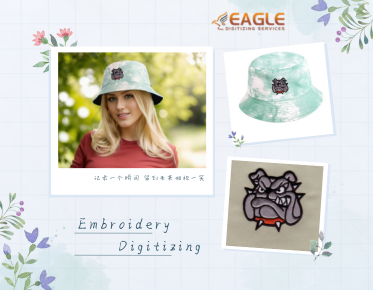
In today's digital age, embroidery digitizing has become an essential part of the embroidery process. Digitizing involves converting artwork into a digital file that an embroidery machine can read. This process ensures precision and consistency in stitch placement, reducing the likelihood of errors.
Companies like Eagle Digitizing offer professional digitizing services that cater to various embroidery needs. With over 25 years of experience, Eagle Digitizing provides high-quality digitizing solutions that minimize thread breakage and ensure smooth sew-outs. Their services are ideal for businesses looking to enhance their product offerings with custom embroidery designs.
Conclusion
Embroidery is a beautiful and intricate art form that requires skill and attention to detail. By understanding the common types of embroidery stitches and the mistakes that can occur, embroiderers can improve their techniques and achieve stunning results. As technology continues to advance, digitizing services offer new opportunities for precision and creativity in embroidery. Whether you're a hobbyist or a professional, staying informed about the latest trends and techniques can help you stay ahead in the world of embroidery.