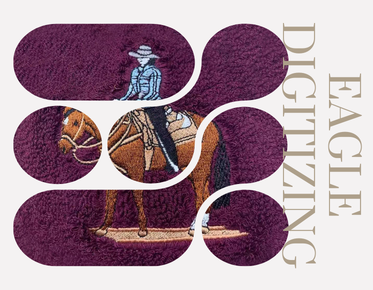

Embroidery Digitizing Workflow: The Steps Most Likely to Cause Problems
Embroidery digitizing is a fascinating yet intricate process that transforms artwork into a format that embroidery machines can read. This process, while rewarding, is fraught with potential pitfalls that can disrupt the workflow and affect the final product's quality. Understanding these steps and the common issues associated with them can help digitizers and businesses alike to mitigate risks and enhance their embroidery projects.
Understanding the Embroidery Digitizing Process
The embroidery digitizing process involves several critical steps, each requiring precision and expertise. The journey begins with the selection of artwork, followed by its conversion into a digital format using specialized software. This digital file is then used by embroidery machines to stitch the design onto fabric. Each step in this process can present unique challenges, and understanding these can help in anticipating and resolving potential issues.
Artwork Selection and Preparation
The first step in the digitizing workflow is selecting and preparing the artwork. This step is crucial as the quality of the original artwork significantly impacts the final embroidery. Common problems at this stage include low-resolution images, complex designs that are difficult to translate into stitches, and artwork that lacks clear color separations. To avoid these issues, it is advisable to use high-quality images and simplify designs where possible.
Choosing the Right Software
Once the artwork is ready, the next step is to choose the appropriate digitizing software. There are numerous software options available, each with its strengths and weaknesses. Selecting the wrong software can lead to compatibility issues and limit the design's complexity. It's essential to choose software that aligns with the specific needs of the project and the capabilities of the embroidery machine being used.
Digitizing the Design
Digitizing the design is perhaps the most critical step in the workflow. This involves converting the artwork into a stitch file that the embroidery machine can interpret. During this phase, issues such as incorrect stitch types, improper stitch density, and inadequate underlay can arise. These problems can lead to thread breakage, puckering, and a lack of detail in the final embroidery. To mitigate these risks, digitizers should have a thorough understanding of stitch types and their applications.
Testing and Adjustments
After digitizing, it is crucial to test the design on the intended fabric. This step helps identify any issues that may not be apparent in the digital file. Common problems include thread tension issues, color mismatches, and design misalignment. Testing allows for adjustments to be made before the final production run, ensuring a high-quality outcome.
Production and Quality Control
Once the design has been tested and adjusted, it moves into production. This stage involves running the embroidery machine to produce the final product. Quality control is vital here to ensure that each piece meets the desired standards. Issues such as machine malfunctions, thread color discrepancies, and fabric distortions can occur, necessitating a robust quality control process.
Common Workflow Challenges
Throughout the embroidery digitizing workflow, several challenges can arise. These include communication breakdowns between designers and digitizers, inadequate training for machine operators, and time constraints that lead to rushed jobs. Addressing these challenges requires clear communication, ongoing training, and realistic project timelines.
Leveraging Professional Services
For businesses looking to streamline their embroidery digitizing process, partnering with a professional service provider can be beneficial. Companies like Eagle Digitizing offer comprehensive embroidery digitizing services that cater to a wide range of needs. With over 25 years of experience, Eagle Digitizing provides high-quality digitizing with quick turnaround times, ensuring that projects are completed efficiently and to the highest standards.
Why Choose Eagle Digitizing?
Eagle Digitizing stands out for its commitment to quality and customer satisfaction. Their team of skilled digitizers is adept at using the latest software to deliver precise and detailed designs. Additionally, they offer free revisions and format conversions, ensuring that clients receive exactly what they need. With a focus on minimizing thread breakage and ensuring smooth sew-outs, Eagle Digitizing helps businesses save time and reduce costs.
Future Trends in Embroidery Digitizing
As technology continues to evolve, the embroidery digitizing industry is poised for exciting advancements. Innovations in software and machine capabilities are expected to enhance the precision and efficiency of the digitizing process. Businesses that stay abreast of these trends and invest in the latest technologies will be well-positioned to capitalize on new opportunities in the market.
In conclusion, while the embroidery digitizing workflow is complex, understanding the potential pitfalls and leveraging professional services can significantly enhance the quality and efficiency of embroidery projects. As the industry continues to evolve, staying informed and adaptable will be key to success.
.png "vector art service")