
Why Over-Clean Vector Lines Can Ruin the Hand-Drawn Feel
In the realm of digital design, vector art has taken a prominent place due to its scalability and precision. However, when it comes to maintaining the unique charm of hand-drawn illustrations, there is a critical consideration: over-cleaning vector lines can inadvertently strip away this unique aesthetic. This phenomenon is especially important as more traditional artists transition into digital spaces and attempt to replicate their distinctive styles using digital tools.
The Delicate Balance of Vector Art
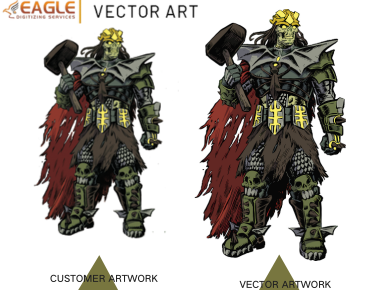
The process of converting a hand-drawn image into vector format typically involves vectorization services. This transformation allows for infinite scaling without a loss in quality, which is perfect for commercial use in products ranging from large banners to small business cards. However, the natural imperfections present in hand-drawn lines often get 'cleaned up' during vector conversion, leading to a loss of the original artwork's character.
Why Over-Cleaning is Detrimental
Over-cleaning in vector art happens when the software smooths out the lines excessively, removing the subtle irregularities that give hand-drawn art its personality. These irregularities might include slight wobbles, varied line thickness, and distress marks—all of which are crucial for certain styles. Artists looking to leverage digital platforms must navigate this challenge carefully to avoid producing art that feels sterile and devoid of soul.
For professional vector art services providers like Eagle Digitizing, recognizing and preserving these elements is vital. Ensuring designers communicate their artistic vision allows these service providers to maintain the integrity of the original artwork while optimizing for digital use.
Digital Tools and Techniques
Artists today can utilize tools such as Adobe Illustrator and CorelDRAW, which offer features that can mimic hand-drawn effects through brushes and custom line adjustments. However, manual intervention is often required to ensure that the vector art maintains a hand-drawn feel. Techniques such as using pressure sensitivity in brushes or incorporating custom textures can help retain the artwork's authenticity.
Additionally, many artists turn to specialized services that focus on vector and digitizing, which cater to maintaining the bespoke quality of the original drawings. These services often promise quick turnaround and flexibility, crucial for artists who need to replicate their work across different formats and products without losing the essential hand-crafted essence.
Reintroducing Imperfections for Authenticity
While the automatic cleaning process in vector conversion aids in efficiency, deliberately reintroducing certain imperfections can revitalize a piece and enhance its appeal. Techniques such as adding grain textures, manually adjusting anchor points, or using blending modes can simulate traditional media qualities such as watercolor bleeds or ink smudges.
Future of Vector Art in Maintaining Artistic Integrity
As technology advances, the tools and techniques for vector art will continue to evolve. Artificial intelligence and machine learning are paving the way for more intuitive software that understands artistic nuances. These technologies could potentially offer suggestions or options for maintaining hand-drawn qualities more effectively during the vectorization process.
Furthermore, the demand for custom vector art services is likely to increase as more enterprises recognize the value of maintaining authenticity in their visual branding. The intersection of traditional craftsmanship and digital processes will form the cornerstone of future advancements in vector art, preserving the individuality of each artist's style while embracing the benefits of digital transformation.
The path forward involves striking a balance between efficiency and artistic intent. As artists and designers, understanding the tools at your disposal and the context of your work is paramount. How might these considerations influence your approach to vectorization in your next project?