
When Should Imperfect Lines Be Preserved Instead of Cleaned Up?
In the world of design and art, the decision to preserve or clean up imperfect lines can significantly impact the final outcome of a piece. Whether you're working in digital formats, hand-drawn mediums, or through vector art conversion services, understanding when and why to maintain these deviations from perfection is crucial.
Understanding Imperfections in Design
Imperfections in design, such as uneven strokes or off-kilter shapes, are often what imbue artwork with personality and authenticity. In some circles, these imperfect lines are associated with the human touch, reflecting the artist's emotions and intentions at the moment of creation. Academic and cultural critics have long discussed how imperfection can add depth, meaning, and relatability to a work.
The Emotional Connection
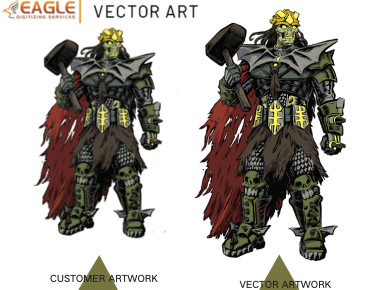
The way art connects with an audience often hinges on its emotional impact, which is sometimes amplified by perceived imperfections. For instance, a hand-drawn vectorization service might preserve certain imperfect lines to retain an emotional resonance with the viewer. This touch of humanity in art pieces can elevate their value both aesthetically and emotionally, fostering a deeper connection to the work.
Commercial Art and Imperfections
In commercial art settings, such as marketing and branding, the use of imperfect lines can serve a different purpose. Here, imperfection is often used to evoke nostalgia or a specific aesthetic that resonates with the target audience. Brands might use this approach to appear more approachable or authentic, aligning with a consumer's values or cultural history. In this way, imperfections become a strategic choice rather than a flaw.
Choosing the Right Medium
The medium itself can determine whether imperfections should be preserved. In vector art, where precision is often paramount, the decision to maintain a hand-drawn feel through intentional imperfections might set a brand or project apart. Conversely, in areas where precise details and consistency are critical, such as technical illustrations or detailed product designs, imperfections are typically minimized.
Cultural Influences and Trends
Cultural trends also play a significant role in this decision-making process. At times, there may be a shift towards minimalism and clean lines; at others, a trend towards expressive, free-form styles might dominate. Artists and designers need to stay attuned to these trends, not only to meet current aesthetic values but also to push the boundaries and set new trends. Eagle Digitizing, a leader in vector graphics, provides services that not only align with current trends but also respect traditional artistry in maintaining necessary imperfections.
Artistic Expression and Personal Style
At the core, art is about expression. A designer's personal style and artistic message can dictate whether perfection or imperfection should prevail. Artists may choose to maintain imperfect lines to stay true to their vision or narrative, allowing the artwork to reflect personal or cultural stories authentically.
Ultimately, the decision to preserve or adjust imperfect lines is unique to each project and artist. Reflecting on why an imperfection exists and what it communicates can guide artists and designers—whether in a commercial or personal context. With the right balance, imperfections not only add character but may become the very element that makes a design iconic. As technology progresses and design practices evolve, the conversation around imperfections will continue to expand, inviting both challenges and opportunities for innovation.