
How Different Printing Methods Change Vector File Requirements
In the evolving world of design and printing, understanding how different printing methods impact the requirements of vector files is crucial. Vector files are integral to producing high-quality prints across various media and formats. Depending on the printing method, the specifics of a vector file may change considerably. This article explores these variations, ensuring you are well-equipped to tailor your vector files for optimal print quality.
The Importance of Vector Files in Printing
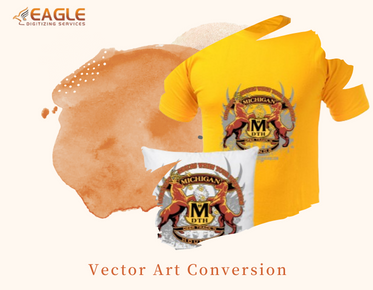
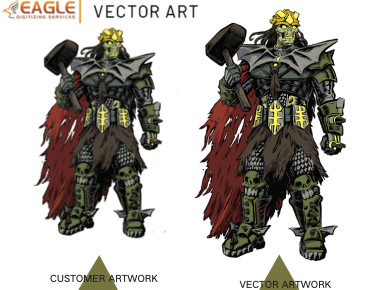
Vector files are composed of paths, defined by a start and end point, along with other points, curves, and angles. Unlike raster graphics, which are composed of pixels, vector files are infinitely scalable without losing quality. This makes them ideal for printing, where precision and scalability are critical. Vector conversion services provide high-quality conversions that maintain the integrity of the design regardless of the scale.
Screen Printing and Vector Requirements
Screen printing is one of the most popular methods for creating textiles and other items. It relies heavily on vector files because of their crisp and clean edges, which are essential for the fine detail required in this medium. When preparing your vector files for screen printing, it's important to ensure that each color in your design is separated into individual layers. This process, often known as color separation, allows for precise application of each ink color.
Eagle Digitizing specializes in providing services such as vector color separation which can help streamline your design preparation process. By handling each color as an individual layer, they ensure that designs maintain their intended appearance in the final product.
Digital Printing: Flexibility with Vector Files
Digital printing is renowned for its versatility, accommodating a wide range of surfaces and materials. It utilizes vector files to produce prints directly from a digital source with less manual preparation compared to screen printing. Vector files here are used to deliver crisp images and text in designs, which are then transferred directly to the printing material.
Because digital printing can output more complex images without the need for physical separation, your vector files for digital printing should be structured with a focus on detail and layering complexity. The vector art conversion ensures that these aspects are well defined, thus enhancing the quality and clarity of the final print.
Embroidery and Vector File Adaptations
Embroidery requires a unique adaptation of vector files to create thread-based designs. This conversion is fundamentally different because each vector needs to be translated into stitch commands. Vector files must be painstakingly mapped to ensure that each section or color will translate well to thread. This complex process necessitates professional conversion services.
Companies like Eagle Digitizing excel in converting digital artwork into embroidery-ready files. Their service includes vector to embroidery file conversion which guarantees that each stitch adheres to the intended design. These conversions ensure durability and detail, turning digital designs into tactile, thread-based art.
The Role of High-Quality Vector Services
High-quality vector services are crucial in ensuring that your design is suitable for multiple printing methods. Services like raster to vector conversion, image vectorization, and vector logo conversion are imperative for maintaining the exactness and quality of designs. Companies that offer comprehensive conversion services allow designers and businesses to focus on creativity without worrying about technicalities.
With the rise of on-demand printing, ensuring that your artwork is prepared correctly for a range of printing techniques is a necessity. Professional vector conversion services ensure that artwork can be seamlessly transitioned between various forms, be it digital spaces or tangible products.
Future of Vector Files in Printing
As technology progresses, vector files will likely continue to play a pivotal role in printing. Future advancements may introduce even more sophisticated methods of translating digital artwork into printed media, requiring modifications to current vector file preparation practices. As these changes occur, staying informed and adaptable will be key.
How do you foresee the trends in vector files and printing evolving in the coming years? Will AI integration provide new ways to enhance vector conversion, or will new printing technologies redefine the standards? Exploring these questions can open up new opportunities for designers and businesses alike.