
Does Higher Stitch Count Really Mean Better Embroidery Quality?
Embroidery is a craft that has been cherished for centuries, known for its ability to transform fabric into a canvas of art. As technology has advanced, so too has the art of embroidery, with digitizing playing a crucial role in modern embroidery processes. One common question that arises in the industry is whether a higher stitch count equates to better embroidery quality. This article delves into this topic, exploring the nuances of stitch count and its impact on embroidery quality.
Understanding Stitch Count
Stitch count refers to the total number of stitches used in an embroidery design. It is a critical factor in determining the time and cost of production. A higher stitch count often implies a more detailed design, but it does not necessarily guarantee better quality. The quality of embroidery is influenced by various factors, including the type of fabric, the quality of threads, and the precision of the digitizing process.
The Role of Digitizing in Embroidery
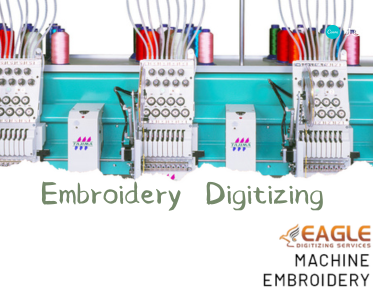
Digitizing is the process of converting artwork into a digital file that can be read by an embroidery machine. This process is crucial in ensuring that the design is accurately represented on the fabric. Companies like Eagle Digitizing specialize in providing high-quality embroidery digitizing services, ensuring that designs are meticulously crafted to minimize thread breakage and ensure smooth sew-outs【4:0†source】.
Factors Affecting Embroidery Quality
While stitch count is an important consideration, several other factors contribute to the overall quality of embroidery:
- Fabric Type: Different fabrics react differently to embroidery. For instance, delicate fabrics may not support high stitch counts without puckering.
- Thread Quality: High-quality threads can enhance the appearance and durability of the embroidery.
- Digitizing Precision: The accuracy of the digitizing process is paramount. Poor digitizing can lead to misaligned stitches and a subpar final product.
When Higher Stitch Count Matters
There are scenarios where a higher stitch count is beneficial. For intricate designs that require a high level of detail, a higher stitch count can help achieve the desired effect. However, it is essential to balance stitch count with other factors to avoid issues such as thread breakage or fabric distortion.
Expert Insights from Eagle Digitizing
Eagle Digitizing, with over 25 years of experience, offers insights into achieving optimal embroidery quality. Their team of skilled digitizers ensures that each design is tailored to the specific needs of the client, considering factors such as fabric type and design complexity. They emphasize that while a higher stitch count can enhance detail, it should not compromise the integrity of the fabric or the efficiency of the production process【4:2†source】.
Balancing Quality and Efficiency
For businesses, balancing quality and efficiency is crucial. A design with an unnecessarily high stitch count can increase production time and costs without adding significant value. Therefore, it is important to work with experienced digitizers who can advise on the optimal stitch count for each project.
Conclusion: Quality Over Quantity
In the world of embroidery, quality should always take precedence over quantity. While a higher stitch count can contribute to a more detailed design, it is not the sole determinant of quality. By focusing on factors such as fabric compatibility, thread quality, and precise digitizing, businesses can achieve superior embroidery results. As the industry continues to evolve, embracing new technologies and techniques will be key to maintaining high standards of quality and efficiency.
As you consider your next embroidery project, think about how these factors play into your design. Could a more strategic approach to stitch count and digitizing enhance your product offerings? The future of embroidery lies in the balance of art and technology, and those who master this balance will lead the way in innovation and quality.