
How to Simplify Complex Designs to Make Them Suitable for Embroidery
Embroidery is an art form that transforms intricate designs into threads on fabric. However, not all complex designs are immediately suitable for embroidery without some modification. Simplifying a design can ensure that the embroidered version maintains clarity, fidelity, and overall appeal. This comprehensive guide will take you through the necessary steps and considerations for simplifying complex designs, ensuring they're embroidery-ready.
Understanding the Embroidery Process
Before delving into the simplification process, it's crucial to understand how embroidery works. Unlike printing, embroidery involves stitching, which requires certain technical considerations such as thread thickness, stitch type, and fabric constraints. A design that looks flawless on paper may not translate well onto fabric without simplification.
Key Considerations in Design Simplification
The simplification of complex designs involves reducing the number of elements, simplifying shapes, limiting color palettes, and enhancing the contrast between different parts of the design. Each of these factors plays a role in creating a final product that is visually appealing and technically feasible for embroidery.
Reducing Elements and Complexity
To prepare a design for embroidery, start by analyzing its complexity. Complex patterns with many details may need to be simplified. Consider removing intricate textures or secondary elements that don't contribute significantly to the overall impact of the design.
Simplifying Shapes
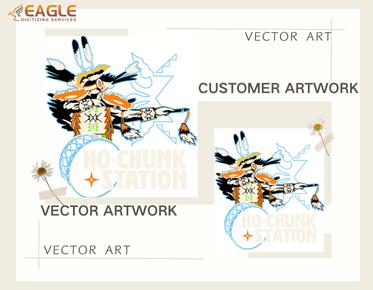
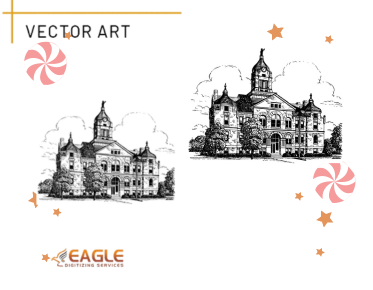
Next, refine shapes within the design. Curves and small details that are too fine may not translate well into thread. Simplifying these shapes into bolder, more defined versions can enhance clarity. Utilize tools like vector conversion services to assist in translating complex shapes into embroidery-ready outlines.
Limiting the Color Palette
In embroidery, the number of colors is typically limited by the number of spools a machine can handle simultaneously. Simplifying color usage is essential to ensure the embroidery appears vibrant and cohesive. Consider selecting a maximum of three to five colors that complement each other well.
Enhancing Contrast
High contrast between elements is crucial in ensuring that each part of the design stands out. This can be achieved by selecting colors that not only work well together but also enhance the visibility of key elements in the design. Adjusting contrast is a skillful task that can tremendously affect the end result.
Technical Adjustments and Digitizing
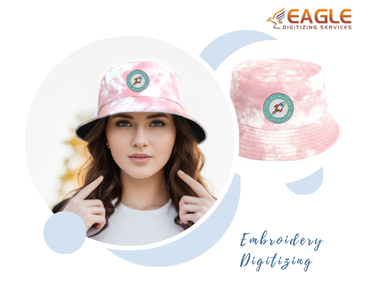
Once your design is simplified, the next steps involve digitizing it for embroidery. Eagle Digitizing offers professional digitizing services that transform 2D artwork into embroidery patterns, optimizing for stitch type and sequence to maintain design integrity across various materials.
Ultimately, the goal is to maintain the spirit and intent of the original design while adapting it for the physical constraints and realities of embroidery. Consulting with experts and using specialized software tools can facilitate the process, ensuring a balance between design aesthetics and technical feasibility.
Conclusion: Embrace the Craft of Simplification
Simplifying complex designs for embroidery is not merely about removing details; it’s an art form that involves enhancing the core essence of a design. Consideration of technical constraints, creative simplification, and expert digitization can turn even the most intricate designs into beautifully embroidered pieces that capture attention and admiration.
So, the next time you’re faced with a complex design, embrace the challenge and craft a design that is as much a testament to your creativity as it is to the art of embroidery. What new patterns will you explore simplifying, and how might these principles apply to other creative mediums?