
Creating Vector Graphics Specifically for Screen Printing
The process of creating vector graphics for screen printing requires a focus on precision and color management. Whether you're an experienced designer or a novice, understanding the specific needs of screen printing can significantly enhance the final product. The core principle is to use vector graphics that are easily scalable without loss of quality, thereby ensuring that each print, whether on a small scale or large, appears crisp and professional.
Understanding Vector Graphics
Vector graphics are defined by paths, which are made up of a start and end point, along with other points, curves, and angles. This technical element allows vector graphics to be infinitely scalable, in contrast to raster images, which are made of pixels and can lose quality when resized. For screen printing, this is crucial, as it ensures clarity regardless of the size of the print medium.
The Importance of File Formats
When preparing vector graphics for screen printing, choosing the right file format is key. Common file formats include AI, EPS, PDF, and SVG. These formats are preferred because they support vector data. For example, an EPS file is often used in screen printing because it can contain complex design elements such as gradients and transparencies without compromising on quality.
Steps to Create Vector Graphics for Screen Printing
Initial Design and Digitization
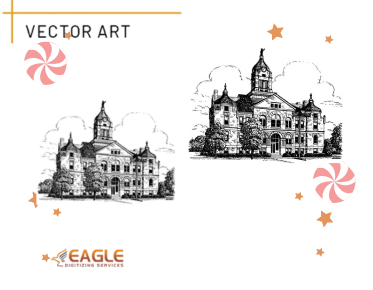
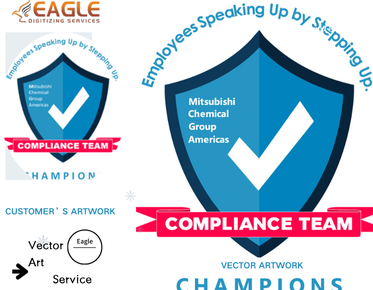
The first step is to design your graphic, either from scratch using design software such as Adobe Illustrator, or by converting an existing raster image into a vector format. This is where services like Eagle Digitizing come into play, offering expert vector conversion services. Their team uses advanced technologies to convert images, ensuring each vector is meticulously crafted for maximum quality.
Vector Art Services
Once your image has been vectorized, you may need vector art services to further refine the design. Services may include vector tracing, color correction, and even design adjustments to fit the specific requirements of screen printing. Companies like Eagle Digitizing also provide color separation services, which is especially crucial for screen printing, allowing each ink color to be printed separately for more vibrant and accurate results.
Screen Printing and Color Separation
Color separation is a vital part of preparing your vector graphics for screen printing. Each color in your design is printed separately, usually applying one layer of ink at a time. The precision of vector conversion services ensures that each color layer perfectly aligns, a requirement for flawless prints. Accurate color separation leads to high-quality screen prints that maintain the integrity and vibrancy of the design.
Working with Professional Services
Partnering with professional services can significantly ease the process of creating and preparing your vectors for screen printing. Agencies like Eagle Digitizing offer comprehensive services from initial vectorization to final print preparation. Their attention to detail and tailored services ensure that the final output meets your specific needs and expectations.
Whether your business is a small t-shirt shop or a large-scale printing company, leveraging vector graphic specialists can save time and resources while providing a superior product. With the right expertise, businesses can ensure that every shirt or banner reflects the quality and precision of professional screen printing.
Future Trends in Vector Graphics for Screen Printing
Looking ahead, the industry is trending towards more automated solutions in vector graphics creation. Software advancements aim to simplify the process, allowing even greater precision and creativity. Additionally, the integration of global design platforms and 3D vector art are opening new possibilities for how screen printing can merge with digital artistry.
As technology evolves, so does the importance of mastering vector graphics for screen printing. Businesses and individuals alike must stay informed and adaptable, continuously improving their techniques and tools to achieve excellence in design and print. By doing so, they not only keep pace with industry trends but also set themselves apart in a competitive market.