
What is Screen Printing, and How Does it Work?
Screen printing is a versatile and widely used printing technique that has been around for many centuries. It is used to print images and designs onto various surfaces, making it a popular choice for commercial and artistic applications. This printing process involves transferring ink through a mesh screen, which has been prepared to allow the ink to pass through only where the design is desired. The result is a clean, crisp image replicated multiple times across different materials.
The Screen Printing Process
The process begins with creating the design that will be printed. This design is typically created on a computer and then printed onto a transparent acetate film. This film is used to create a stencil, which is the heart of the screen printing process. The stencil is made by coating a mesh screen with a photosensitive emulsion. Once the emulsion is dry, the screen is placed over the acetate film and exposed to a strong light source. The areas exposed to light harden, while the parts shielded by the design on the film remain soft. The screen is then washed with water, which removes the unexposed emulsion and leaves behind the design on the mesh.
Applying the Ink
Once the screen is prepared, it is time to apply the ink. The material to be printed is placed on the printing press, and the screen is carefully positioned over it. Ink is poured across the top of the screen, and a squeegee is used to press the ink through the open areas of the mesh. The ink transfers the design onto the material. Depending on the complexity of the design, multiple screens may be used, each applying a different color of ink in layers. This method is particularly effective for vibrant, colorful designs, as each color can be precisely controlled.
Applications of Screen Printing
Screen printing is favored in numerous industries due to its versatility and cost-effectiveness for large runs. It is extensively used in the production of customized t-shirts, hats, posters, and signage. In addition, the technique is crucial in the electronics industry for creating circuit board designs and in the commercial production of textiles. This adaptability makes it indispensable for both large-scale manufacturing and artistic endeavors, providing a strong medium for bold and detailed graphics.
Advantages and Challenges
One significant advantage of screen printing is its ability to produce vibrant colors and detailed images on a variety of substrates, including fabric, glass, metal, wood, and plastic. The process is also highly efficient for mass production because once the screen is created, it can be used for thousands of imprints before it needs to be replaced. However, one of the challenges of screen printing is the initial setup, which can be more time-consuming compared to other printing methods such as digital printing. Additionally, complex multi-color designs require precise registration to ensure that all colors align correctly.
Innovations and Digital Integrations
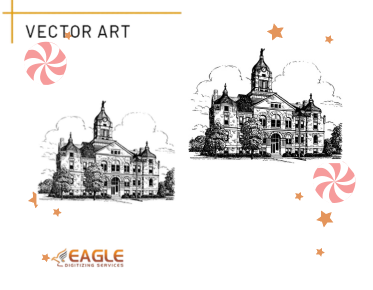
While the traditional methods of screen printing remain vital, innovations in the industry are integrating digital technologies to enhance precision and efficiency. Services like those from Eagle Digitizing have revolutionized how designs are prepared through vectorization. This involves converting raster designs into vector formats, ensuring that the images remain sharp and scalable, crucial for maintaining quality in screen printing. With technologies like vector tracing and conversion, images are prepped in formats such as EPS or AI, which are ideal for the screen printing process due to their scalability and clarity.
Real-World Applications and Future Trends
The future of screen printing looks promising with continued advancements in materials and techniques. Companies are increasingly using eco-friendly inks and sustainable substrates, responding to a growing demand for environmentally conscious products. Moreover, the integration of computerized systems allows for more precise applications and innovations in hybrid printing techniques that combine traditional screen printing with modern digital processes. As consumers continue to desire customized and unique products, screen printing stands as a reliable and ever-evolving technique, meeting artistic and industrial needs alike.
As technology advances, screen printing methods continue to evolve, creating new opportunities in customization and high-volume production. It's a valuable process for businesses ranging from small custom apparel shops to large-scale manufacturing operations. The potential for growth in the use of sustainable practices and materials is particularly exciting, posing a challenge as well as an opportunity for the industry to innovate and adapt.
Ultimately, whether you are in graphic design or looking to expand your business's printing capabilities, understanding the intricacies of screen printing can open doors to new creative ventures and business prospects. As trends shift towards more customizable designs in diverse markets, mastering this timeless technique can position you favorably in various industries.
.png "vector art service")