
What Causes Poor Stitch Quality from Vector Artwork
Embroidery digitizing is a complex process that involves converting vector artwork into a format that embroidery machines can read. While vector artwork is often the starting point for creating embroidery designs, the transition from digital art to stitched fabric can sometimes result in poor stitch quality. Understanding the causes of these issues is crucial for anyone involved in the embroidery industry, from designers to machine operators.
Understanding Vector Artwork
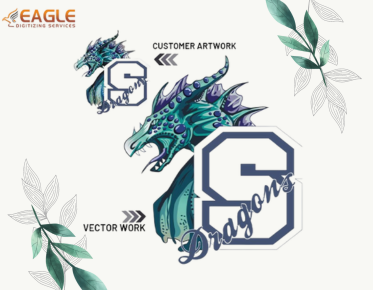
Vector artwork is created using mathematical equations to define shapes, lines, and colors. This type of artwork is scalable without losing quality, making it ideal for various applications, including embroidery. However, the precision and clarity of vector artwork do not automatically translate into high-quality embroidery. The digitizing process, which involves converting vector files into stitch files, plays a critical role in determining the final stitch quality.
Common Causes of Poor Stitch Quality
1. Inadequate Digitizing Techniques
One of the primary reasons for poor stitch quality is inadequate digitizing techniques. Digitizing is not just about converting an image into stitches; it requires an understanding of how stitches interact with fabric. If the digitizer does not account for factors such as stitch density, underlay, and pull compensation, the resulting embroidery can be subpar. Companies like Eagle Digitizing emphasize the importance of skilled digitizers who understand these nuances to ensure high-quality outcomes.
2. Poor Quality Vector Files
The quality of the vector file itself can significantly impact the final embroidery. Low-resolution or poorly constructed vector files can lead to misinterpretations during the digitizing process. It's essential to start with a clean, high-quality vector file to minimize errors and ensure that the embroidery design is accurately represented.
3. Incorrect Stitch Types and Directions
Choosing the wrong stitch types or directions can also lead to poor stitch quality. Different areas of a design may require different stitch types, such as satin, fill, or running stitches. Additionally, the direction of the stitches can affect how the fabric behaves during embroidery. A skilled digitizer will know how to select and apply the appropriate stitch types and directions to enhance the design's appearance and durability.
4. Fabric and Thread Considerations
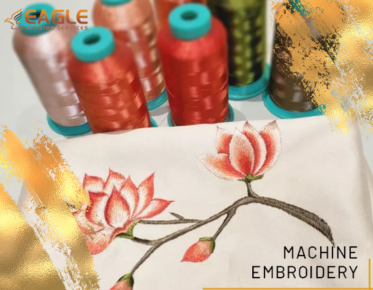
The type of fabric and thread used can also influence stitch quality. Some fabrics may require specific types of underlay or stitch densities to prevent puckering or distortion. Similarly, the choice of thread can affect the design's color accuracy and sheen. Understanding these material properties is essential for achieving the desired embroidery results.
Role of Professional Digitizing Services
Professional digitizing services, such as those offered by Eagle Digitizing, can help mitigate many of the issues that lead to poor stitch quality. These services employ experienced digitizers who are adept at converting vector artwork into high-quality embroidery designs. They also offer additional benefits, such as quick turnaround times and the ability to handle complex designs with precision.
Optimizing Vector Artwork for Embroidery
To optimize vector artwork for embroidery, it's crucial to work closely with a digitizing service provider. This collaboration ensures that the artwork is suitable for conversion and that any potential issues are addressed before the digitizing process begins. By providing clear and detailed vector files, designers can help digitizers create embroidery designs that meet their expectations.
Future Trends in Embroidery Digitizing
As technology continues to evolve, the embroidery industry is likely to see advancements in digitizing software and techniques. These innovations may include more intuitive software interfaces, improved algorithms for stitch calculation, and enhanced capabilities for handling complex designs. Staying informed about these trends can help designers and digitizers maintain high standards of stitch quality in their work.
In conclusion, achieving high-quality embroidery from vector artwork requires a combination of skilled digitizing, high-quality vector files, and an understanding of fabric and thread properties. By addressing these factors, designers and digitizers can work together to produce embroidery that meets the highest standards of quality and craftsmanship.
For those looking to improve their embroidery outcomes, considering professional digitizing services like Eagle Digitizing can be a valuable step. With their expertise and commitment to quality, they can help transform vector artwork into stunning embroidered pieces.