
What are the advantages of a vector file for a photo?
In the world of digital design and image processing, vector files have become a critical tool for many professionals. Whether you're a graphic designer, printer, or involved in another creative field, the format of your file matters greatly. Vector files offer distinct advantages over raster files, especially when it comes to editing and scaling photos. But what exactly makes vector files so beneficial, particularly for photos?
Scalability and Resolution Independence
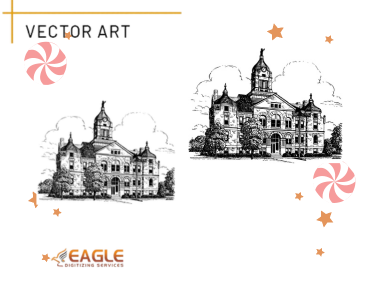
One of the primary advantages of a vector file is its scalability. Unlike raster images, which are made up of pixels, vector images consist of mathematical equations that define shapes like lines, curves, and polygons. This distinction means that vector images can be resized to any dimension without losing quality. When you enlarge a raster image, you risk pixelation and loss of detail. However, with vector images, whether you're enlarging a logo or an intricate design, the image remains crisp and clear. This property makes vectors ideal for creating large format prints, such as banners and signs, where clarity is paramount.
Efficient File Size
Vector files often have smaller file sizes compared to their raster counterparts. This is because the data needed to represent vector graphics is much less complex than that of high-resolution raster images. Efficient file size is especially advantageous for storing, transferring, and using images on the web, where bandwidth and loading times are critical factors. Services like Eagle Digitizing take advantage of this by providing high quality vector conversions which are both detail-rich and efficiently sized.
Editability and Precision
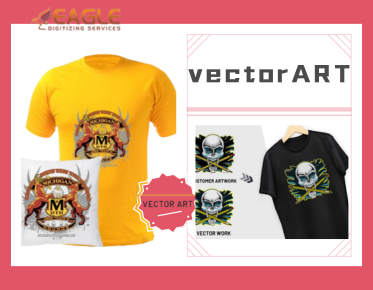
With vector files, editing becomes a straightforward task. Since each component of a vector image is an individual entity, designers can easily adjust colors, shapes, and sizes without affecting other parts of the image. This flexibility allows for precise modifications and is invaluable during the design process. For instance, a vector conversion enables artists to tweak aspects of an image for tailored marketing materials or unique client requirements seamlessly.
Compatibility and Versatility
Vector files are compatible with a vast array of software used in graphic design and printing. Popular formats like EPS, SVG, AI, and PDF ensure that vector files can be shared and opened across different platforms without compatibility issues. This versatility allows professionals to utilize vector files in various applications, from print to web, without the need for conversion.
Moreover, vector files provide a sturdy backbone for creating complex graphics such as logos and animations. The ease with which these files can be manipulated makes them ideal for branding, where consistency and quality across different media are necessary.
The Role of Professional Conversion Services
Converting raster images to vector format can unlock new possibilities for their use. For those who lack the tools or expertise, professional conversion services offer a practical solution. Eagle Digitizing, for instance, specializes in converting detailed raster images into scalable and editable vector graphics. This service is indispensable for clients who need high-quality designs for marketing, screen printing, and promotional use.
Beyond the Basics: Creative Opportunities
The use of vector files goes beyond the basics of scalability and editability, offering creative opportunities that are impossible with standard raster images. Designing intricate and interwoven graphic patterns becomes possible, providing a distinct artistic flair to any project. With vector graphics, designers can easily incorporate customizations such as color separations, different textures, and unique styles that make each project distinct and memorable.
Considering the Practicalities
While vector graphics provide obvious advantages, it's important to consider the practical considerations in their use. For instance, while vectors are ideal for graphics with clear lines and shapes, complex, continuous-tone images like photographs may still require raster formats for the best quality. Balancing the use of both types of images can lead to the most effective outcomes.
In conclusion, the advantages of vector files for photos are significant. Whether you aim to improve the quality of your printed materials or want to increase the efficiency of your design workflow, embracing vector graphics can provide an edge in clarity, flexibility, and professionalism. The ability to combine design creativity, technical precision, and cross-platform versatility makes vector files an asset to any graphic or marketing project. As digital imaging technologies continue to evolve, exploring the full potential of vector files can open new doors for innovation and expression.