
How to Handle Complex Details in Vector Graphics
Understanding Vector Graphics
Vector graphics are images created using paths defined by mathematical expressions. Unlike raster graphics, which are composed of pixels, vector graphics use geometrical forms such as points, lines, curves, and shapes. This makes them ideal for creating images that need to be scaled to different sizes without losing clarity. Common applications include logos, icons, and other designs that need to maintain quality across various platforms.
Challenges in Handling Complex Details
When dealing with intricate designs in vector graphics, the main challenge is maintaining the detail while ensuring the file remains manageable. Complex vector graphics can become cumbersome and difficult to edit or render, especially when dealing with large formats or detailed illustrations. It is imperative to strike a balance between detail and file complexity to ensure functionality without compromising aesthetic quality.
Techniques for Managing Complexity
There are several techniques used by professionals to manage complexity in vector graphics:
- Layering: Organizing different components on separate layers allows for focused editing and easy management of each element.
- Simplifying Paths: Using the software to simplify paths can reduce the number of anchor points and make the design more streamlined.
Choosing a reliable vector conversion service can also greatly assist in managing complex vector designs, transforming them into simplified yet high-quality outputs.
The Role of Software in Vector Graphics
Tools such as Adobe Illustrator and CorelDRAW are essential in creating and editing vector graphics. These programs offer a range of features, like path simplification, merging layers, and using symbols to reduce complexity. The effectiveness of any professional lies in their ability to fully utilize the capabilities of these tools to enhance the design work.
Vectorization Services: A Path to Precision
Opting for vectorization services can be beneficial when dealing with intricate designs. Service providers like Eagle Digitizing offer specialized solutions, including raster to vector conversion, background removing, and color correction, tailored for marketing materials and promotional tools. Their team provides an array of formats such as DXF, WMF, AI, and CDR that cater to diverse design needs【4:0†Vector Services.json】.
Practical Applications and Eagle Digitizing Services
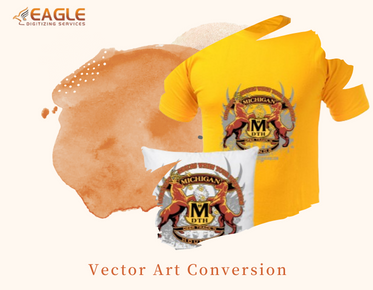
Eagle Digitizing stands out by offering comprehensive vector artwork conversion services. With services targeting print shops, t-shirt businesses, and marketing agencies, they have a strong reputation for speed and quality. Clients benefit from their expertise in converting intricate designs into clean, scalable vectors, ensuring fidelity and color accuracy【4:2†Vector_keywords.json】.
Adopting Efficient Workflow Strategies
A critical component of handling complex details in vector graphics is understanding workflow efficiency. Professional designers often implement workflow strategies that enable quick adjustments and minimize repetition. This involves using symbols, predefined shapes, and maintaining a library of frequently used elements to streamline the design process.
Future Trends in Vector Graphic Design
As technology evolves, the future of vector graphic design holds exciting prospects. Innovations in AI and machine learning are expected to introduce new tools and plugins that further ease the process of handling complex details. Designers should keep abreast of these developments to leverage them for greater creative possibilities.
Handling complex details in vector graphics requires both skill and strategic use of tools. By mastering fundamental techniques and utilizing services like those offered by Eagle Digitizing for more intricate tasks, designers can achieve stunning results that meet today's high-quality standards while being prepared for future trends.