
Using Vector Files for Screen Printing vs Embroidery – What’s the Difference?
In the world of graphic design and print services, the use of vector files plays a crucial role. Whether you're involved in screen printing or embroidery, understanding the nuances of how vector files are utilized can dramatically impact the quality of the final product. Both screen printing and embroidery require distinct approaches to vector files, reflecting the different nature of these art forms and the techniques they employ.
Understanding Vector Files
Vector files are the backbone of modern printing and embroidery. These files are defined by paths rather than pixels, allowing them to be resized without loss of quality. This makes them ideal for printing purposes where clean lines and scalability are essential. Common vector file types include EPS, SVG, AI, and PDF. These file formats provide flexibility and precision, crucial for producing high-quality prints and embroidery.
Vector Files in Screen Printing
The Role of Color Separation
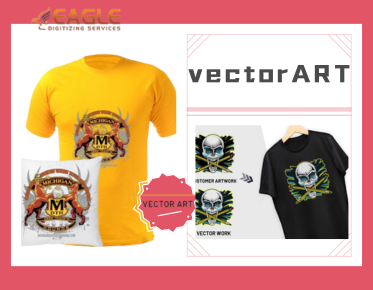
Screen printing involves transferring ink onto a substrate through a mesh, with the help of stencils or templates. This process requires each color in a design to be separated into individual layers, known as color separation, before printing. Vector art services provide this capability by layering each color distinctly, thus enabling easier adjustments and preparation for the printing process. This separation ensures that each hue can be printed one at a time, which is vital for maintaining the vibrancy and accuracy of the design.
Preparing for Screen Printing
The simplicity of handling vector files during screen printing cannot be overstated. These files allow for adjustments in size and complexity without degrading the image quality, which is crucial when considering the detail required for complex prints. Professional vector conversion services offer the technical expertise required to convert raster images into vector formats suitable for screen printing.
Vector Files in Embroidery
From Vectors to Stitches
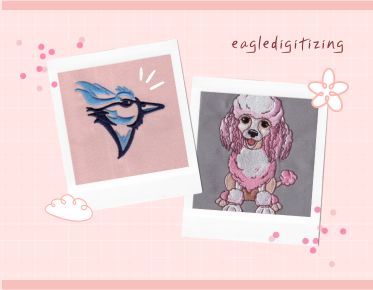
Embroidery digitizing transforms vector files into stitch files. The process involves mapping out how an embroidery machine will produce the design using threads. Unlike screen printing, which applies ink to a surface, embroidery builds the image through stitched layers, creating an intricate interplay of color and texture. As such, a simple vector design might need significant alterations to become suitable for embroidery—prioritizing paths that machines can easily stitch.
The Importance of Digitizing Services
Companies like Eagle Digitizing specialize in converting vector designs for embroidery. These services are crucial as they translate digital images into detailed embroidery plans, ensuring that the design maintains its integrity when sewn onto fabric. In embroidery, the precision of stitch placement—that digitized vectors allow—is paramount for achieving detailed and vibrant results.
Choosing the Right Service for Your Needs
When selecting between screen printing and embroidery, it’s essential to consider the strengths and limitations of each method. Screen printing excels in detailed and colorful images, while embroidery offers a distinguished look that adds depth to flat designs. The choice between these two should consider the final product’s texture, durability, and aesthetic.
Ultimately, utilizing professional vector services ensures that your designs are perfectly tailored to either process. These services provide expertise in both color separation for screen printing and detailed stitch mapping for embroidery, essential for achieving a professional finish. By leveraging the right vector tools and services, you can ensure that your printed or embroidered items meet the highest standards of quality and visual appeal.
Future Trends in Vector Utilization
The fields of screen printing and embroidery are continually evolving, with technological advancements in vector processing propelling these industries forward. Future trends point towards even more sophisticated tools and services capable of processing intricate designs faster and with greater precision. As these technologies develop, they promise to reduce costs and production times while opening new creative possibilities for designers.
Whether you're a business owner or an aspiring designer, understanding the nuances of vector files in these printing processes can dramatically improve the quality of your work. By staying informed about vector technologies and choosing the right services, like those provided by Eagle Digitizing, you'll be well-equipped to leverage the full potential of your designs.
.png "vector art service")