
Why is digital pattern making important for sustainable fashion?
In an era where environmental consciousness is growing, the fashion industry is undergoing significant shifts toward sustainability. One of the critical advancements aiding this shift is digital pattern making. Digital pattern making plays a pivotal role in sustainable fashion by revolutionizing how patterns are designed and used in the production process. This technology is not only reshaping the efficiency and precision in fashion design but also facilitating a reduction in waste and environmental impact.
Vector art services online have become integral to modern design practices, providing platforms where digital pattern making can be applied effectively. The ability to create intricate designs efficiently without the constraints of traditional methods exemplifies the advantages digital tools offer. Let's delve deeper into why digital pattern making is so vital for sustainable fashion.
Efficiency and Precision in Design
One of the greatest benefits of digital pattern making is the enhanced efficiency and precision it brings to the design process. Unlike traditional methods that rely heavily on manual drafting, digital pattern making uses advanced software that allows designers to create, adjust, and perfect patterns with unprecedented accuracy. This precision is critical in ensuring that material cut-offs are minimized, thus leading to less wastage. When the pattern is right the first time, resources are conserved significantly—a key aspect of sustainability.
Reducing Material Waste
Material waste has long been a substantial issue in the fashion industry. Traditional methods often result in excess off-cuts and remnants, which contribute to environmental pollution. Digital pattern making allows for more precise calculations of fabric requirements and enables better use of materials. Tools and services such as raster to vector services streamline the conversion of designs into cut-friendly formats, ensuring that patterns fit perfectly on the material, thus reducing waste.
Facilitating Customization and Innovation
Sustainable fashion is not just about using eco-friendly materials; it's also about fostering innovation that allows for customization and personalization, meeting customer demands while minimizing waste. Digital pattern making empowers designers to experiment with new forms and styles without the need for physical prototypes. Innovations in vector art and vector art conversation services open doors to endless possibilities in customization, offering tailored solutions that fit the sustainable model by allowing for small batch production on-demand, further reducing overproduction and excess inventory.
Enabling Circular Fashion Models
An often overlooked aspect of sustainability is the concept of a circular economy, where materials are reused and recycled, minimizing waste. Digital pattern making supports this model by facilitating the creation of designs that are 'fit for purpose' and designed to last longer. As patterns can be easily adjusted and adapted for repairs and redesigns, the lifecycle of fashion items is extended. This aligns well with circular fashion principles, contributing significantly to reducing the fashion industry's carbon footprint.
The Role of Digitizing Services
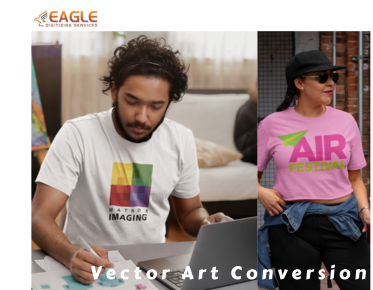
The rise of digitizing services, such as those offered by Eagle Digitizing, reflects the industry's shift towards embracing digital tools to achieve sustainable goals. These services include raster to vector conversion, vector art conversion, and custom artwork services, which enable designers to convert creative ideas into precise digital patterns easily. Eagle Digitizing's commitment to quality and precision ensures that design integrity is maintained, achieving high sustainability standards without compromising aesthetic or functional value.
The Future of Sustainable Fashion
The intersection of technology and sustainability presents a promising future for the fashion industry. As digital pattern making continues to evolve, its impact on sustainable fashion becomes even more profound. Fashion brands that leverage these technologies not only contribute to environmental conservation but also set themselves apart as innovators in the market. As consumer awareness of environmental issues grows, demand for sustainable practices will likely increase. Brands using digital pattern making are better positioned to meet these demands while aligning with broader environmental goals.
Ultimately, digital pattern making is not just a trend but a crucial component of the sustainable fashion movement. Its ability to enhance design precision, reduce waste, and facilitate sustainable practices makes it an indispensable tool for brands committed to environmental stewardship. As we move forward, embracing these technologies will not only be beneficial but essential for the industry's evolution towards a more sustainable future.