
Embroidery Digitizing Basics: Learn from Scratch
Embroidery digitizing is a fascinating process that transforms artwork into a digital format that embroidery machines can read. This art form has revolutionized the textile industry, allowing for intricate designs to be embroidered with precision and efficiency. Whether you're a hobbyist looking to expand your skills or a business owner aiming to enhance your product offerings, understanding the basics of embroidery digitizing is essential.
Understanding Embroidery Digitizing
At its core, embroidery digitizing involves converting a design into a stitch file using specialized software. This file dictates how the embroidery machine will stitch the design onto fabric. The process requires a keen eye for detail and a solid understanding of both the software and the embroidery machine's capabilities. Companies like Eagle Digitizing offer professional services to ensure high-quality results, catering to various client needs with quick turnaround times and competitive pricing.
The Importance of Quality Artwork
The quality of the original artwork significantly impacts the final embroidered product. Clear, high-resolution images with distinct color separations are ideal. This ensures that the digitized file accurately represents the original design, minimizing the need for revisions. Eagle Digitizing emphasizes the importance of quality by offering free revisions and format conversions to meet client satisfaction.
Choosing the Right Software
There are numerous embroidery digitizing software options available, each with its unique features and capabilities. When selecting software, consider factors such as ease of use, compatibility with your embroidery machine, and the level of support provided. Some popular choices include Wilcom, Hatch, and Pulse. These programs offer a range of tools to help you create detailed and precise designs.
Steps in the Digitizing Process
1. Preparing the Artwork
Before digitizing, ensure your artwork is ready. This may involve cleaning up the image, defining color separations, and deciding on the size and placement of the design on the fabric.
2. Importing and Setting Up
Import the artwork into your chosen software. Set the design's parameters, such as stitch type, density, and underlay, based on the fabric and desired effect. This step is crucial for achieving a high-quality finish.
3. Creating the Stitch File
Using the software's tools, trace the artwork to create a stitch file. This involves defining the path the needle will take, the stitch length, and the sequence of colors. The goal is to replicate the original design as closely as possible.
4. Testing and Adjusting
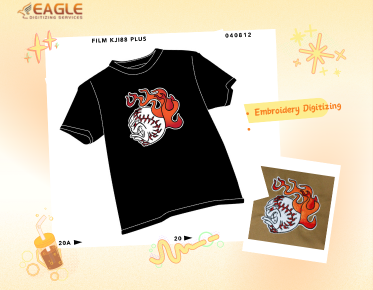
Once the stitch file is complete, test it on a sample fabric. This allows you to identify any issues and make necessary adjustments. Companies like Eagle Digitizing provide sew-out images to ensure the design runs smoothly on your machine.
Benefits of Professional Digitizing Services
While learning to digitize embroidery designs can be rewarding, it can also be time-consuming and challenging. Professional services offer expertise and efficiency, ensuring your designs are digitized to the highest standard. Digitizing Ninjas and other companies provide a range of services, from simple logo digitizing to complex 3D puff designs, catering to various industries and applications.
Applications of Embroidery Digitizing
Embroidery digitizing is used in various sectors, from fashion and sportswear to corporate branding and promotional products. The ability to customize apparel with logos and designs adds value and enhances brand recognition. With the help of digitizing services, businesses can produce high-quality embroidered products that stand out in the market.
Future Trends in Embroidery Digitizing
The future of embroidery digitizing looks promising, with advancements in technology leading to more sophisticated software and machines. Automation and artificial intelligence are expected to play a significant role, making the process faster and more accessible. As the demand for personalized and unique products grows, the embroidery digitizing industry will continue to evolve, offering new opportunities for creativity and innovation.
Embroidery digitizing is a valuable skill that opens up a world of possibilities for creative expression and business growth. Whether you're just starting or looking to refine your skills, understanding the basics and leveraging professional services can help you achieve your embroidery goals. As the industry continues to advance, staying informed and adaptable will be key to success.