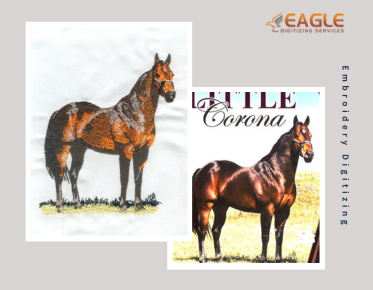

What is Auto Digitizing, and How Does it Compare to Manual Digitizing?
In the world of embroidery, digitizing is a crucial process that transforms artwork into a format that embroidery machines can understand. This process can be done either automatically or manually, each method having its own set of advantages and challenges. Understanding the differences between auto digitizing and manual digitizing is essential for anyone involved in the embroidery industry, whether you're a hobbyist or a professional.
Understanding Auto Digitizing
Auto digitizing is a process where software automatically converts an image into an embroidery file. This method is often favored for its speed and convenience, especially for simple designs. The software analyzes the image and determines the best way to stitch it out, assigning stitch types and directions automatically. This can be particularly useful for those who need to produce designs quickly without the need for extensive manual input.
However, auto digitizing can sometimes fall short when it comes to complex designs or when a high level of detail is required. The software may not always interpret the nuances of an image correctly, leading to less than optimal results. This is where the expertise of a skilled digitizer becomes invaluable.
The Art of Manual Digitizing
Manual digitizing, on the other hand, involves a human digitizer using software to manually convert an image into an embroidery file. This process allows for greater control over the final output, as the digitizer can make decisions about stitch types, directions, and densities based on their expertise and the specific requirements of the design. This method is often preferred for intricate designs where precision and detail are paramount.
While manual digitizing can be more time-consuming than auto digitizing, the results are often superior, especially for complex designs. The digitizer's ability to make nuanced decisions about the design can lead to a more polished and professional-looking final product.
Comparing Auto and Manual Digitizing
When comparing auto digitizing and manual digitizing, it's important to consider the specific needs of your project. Auto digitizing is ideal for simple designs and when time is of the essence. It can be a cost-effective solution for straightforward projects where the highest level of detail is not required.
Manual digitizing, however, is the preferred choice for complex designs or when a high level of detail is necessary. The expertise of a skilled digitizer can make a significant difference in the quality of the final product. For businesses and individuals who require top-notch results, investing in manual digitizing can be well worth the additional time and cost.
The Role of Eagle Digitizing
For those seeking high-quality digitizing services, Eagle Digitizing offers a range of solutions tailored to meet the needs of various clients. With over 25 years of experience in the industry, Eagle Digitizing is known for its skilled team of digitizers who are adept at both auto and manual digitizing techniques. Their services are designed to minimize thread breakage and ensure smooth sew-outs, saving customers time and money.
Eagle Digitizing provides a quick turnaround time, often delivering designs within 24 hours. Their commitment to quality and customer satisfaction makes them a reliable choice for businesses and individuals looking for professional embroidery digitizing services.
Choosing the Right Method for Your Needs
Ultimately, the choice between auto digitizing and manual digitizing depends on the specific requirements of your project. For simple designs or when speed is a priority, auto digitizing may be the best option. However, for intricate designs where detail and precision are crucial, manual digitizing is likely the better choice.
As the embroidery industry continues to evolve, the demand for high-quality digitizing services is expected to grow. Whether you choose auto or manual digitizing, partnering with a reputable service provider like Eagle Digitizing can ensure that your designs are executed to the highest standards.
Looking Ahead
As technology advances, the capabilities of auto digitizing software are likely to improve, potentially narrowing the gap between auto and manual digitizing. However, the human touch and expertise involved in manual digitizing will always be valuable, particularly for complex and detailed designs. As you consider your digitizing needs, think about the balance between speed, cost, and quality to make the best decision for your projects.
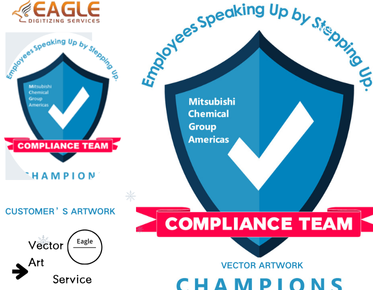
.png "vector art service")