Blog
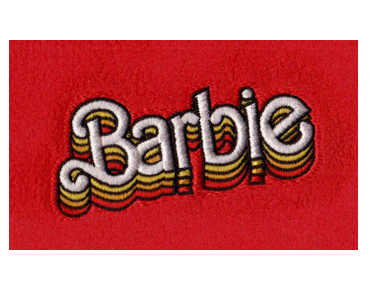
Embroidery File Formats: How to Choose a Format Your Machine Can Read
The right embroidery file format depends on your machine’s make and model—not just the design. Common embroidery file types include machine-ready stitch files...
Read More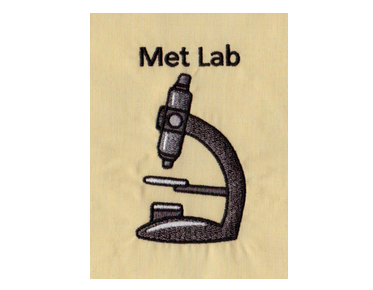
What Is a DST File? The Difference Between Machine Files and Editable Designs
A DST file is a machine-ready embroidery file that tells an embroidery machine where to stitch, jump, and change colors. If you’re asking what is a dst file,...
Read More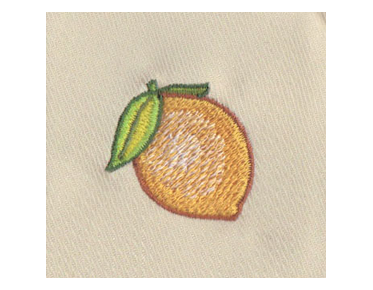
How Fabric Type Affects Embroidery Digitizing Settings and Sew-Out Results
Fabric changes how stitches sit, spread, and hold their shape, so one embroidery file may sew differently on a stable twill than on a stretchy knit. Effective...
Read More
Complex Logo Digitizing for Embroidery: Preserving Key Details for Production
Complex logos can embroider clearly when their artwork is translated into stitches with production in mind. Effective complex digitizing prioritizes...
Read More
Raster-to-Vector Conversion: How to Rescue a Blurry Logo for Production
If a logo looks fuzzy on a screen, it will usually stay fuzzy in production unless it is rebuilt as vector art. That is why raster to vector conversion services...
Read More
Vectorizing Services vs. Auto-Trace: When a Logo Needs Manual Cleanup
When a logo has rough edges, tiny text, uneven curves, or a low-resolution source file, vectorizing services usually deliver a far better result than auto...
Read More