
What Makes sports team logos Ready for Printing, Cutting, and Embroidery
Sports team logos are ready for printing, cutting, and embroidery when the artwork is clean, scalable, and simplified for production. That usually means a sharp vector foundation, clear color separation, closed shapes, and embroidery details that stay readable on the final garment. If you need the file checked before production, vector conversion services can help turn a rough logo into a usable starting point. Upload Your Design today if you want a quote before your next order.
One Logo Has to Work in Three Different Ways
A team mark may look fine on a screen and still fail in production. Printing wants crisp edges and accurate color. Cutting needs clean paths. Embroidery needs shapes that can actually be stitched without distortion, thread breakage, or unreadable tiny details.
Start with a Clean Vector Foundation
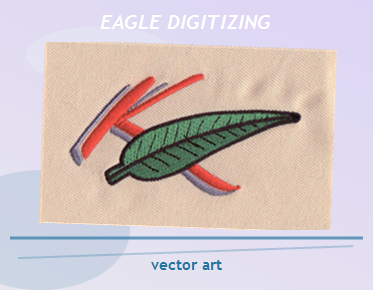
The safest starting point is a true vector file, not a screenshot or social media image. If the logo only exists as a JPG or PNG, image to vector conversion online helps rebuild the artwork with smooth curves, sharp corners, and editable paths.
Printing Needs Clear Color Separation
For apparel printing, the logo should use distinct shapes and solid color boundaries. Gradients, noisy shadows, and blurry edges can create problems during screen printing, DTG, or heat transfer. Clean separation makes the logo easier to place, proof, and reproduce consistently.
Cutting Depends on Closed Paths and No Loose Edges
Cut-ready artwork must avoid open gaps, extra points, and overlapping fragments. A cutter follows the path exactly, so stray shapes or rough tracing can create waste and poor results. When a raster file needs cleanup, raster to vector conversion online makes the outline more reliable.
Embroidery Requires Stitchable Shapes, Not Just Nice Art
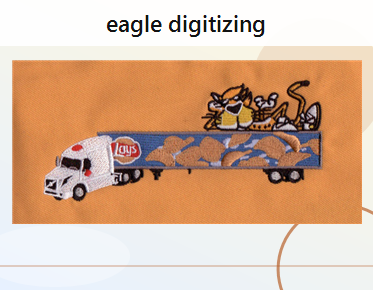
Embroidery adds another layer of production logic. A logo has to hold up under stitch density, underlay, and pull compensation. What looks balanced on paper may need wider columns, fewer tiny corners, or a simplified fill to sew cleanly on a cap, polo, or jacket.
Small Lettering Is Usually the First Risk
Team mottos, sponsor names, and jersey text often become too small for clean stitching. Thin serifs, tight spacing, and stacked words can close in once thread fills the area. That is why small lettering should be reviewed before approval, not after the sew-out.
Fabric Compatibility Changes the Final Result
The same logo can behave very differently on twill, fleece, mesh, or performance knits. Stretchy fabrics move more, which means embroidery needs stronger stabilization and smarter compensation. Print and cut projects also benefit from knowing the garment surface before the artwork is finalized.
Thread Direction and Underlay Shape the Look
Good embroidery file preparation is more than tracing a logo. Stitch direction affects shine, texture, and contour, while underlay supports the top stitches and helps the design stay stable. Eagle Digitizing uses this production mindset to reduce surprises when the logo moves from screen to fabric.
Vector Cleanup Makes Approval Faster
Many team logos arrive as low-resolution artwork with jagged edges, blurred outlines, or mismatched colors. A polished logo vector file gives printers, cutters, and digitizers one clean source file, which reduces back-and-forth and keeps the project moving.
How a Production-Ready Workflow Usually Works
First, the source art is reviewed for resolution, spacing, and shape quality. Next, the file is cleaned, simplified, and adjusted for the intended method. Then the design is checked against garment size and placement before a sew-out or proof is approved. Contact Us if you want that process handled before a rush order.
Where Eagle Digitizing Fits Into the Process
Eagle Digitizing is useful when a logo needs to move from concept art or a raster image into a file that production teams can actually use. That includes cleanup, conversion, and embroidery-focused preparation that helps lower the chance of rework, misalignment, or unstable stitching.
Common Mistakes That Slow Down Production
Teams often send files with transparent backgrounds, faint outlines, multiple versions of the same logo, or details that are too small to reproduce well. Another common issue is assuming one file can work for every method without adjustment. That is rarely true in apparel branding.
Why Sew-Out Testing Still Matters
Even a good file can need a test run. Sew-out testing shows whether the stitch density is too heavy, the pull compensation is too loose, or a corner needs more support. It is the final check that turns a good-looking digitized logo into a dependable production piece.
What to Send Before You Request a Quote
For the fastest response, send the cleanest version of the logo you have, the finished size, the garment type, and where the design will be placed. If the artwork is only a rough image, ask for help before production begins so the file can be prepared the right way.
FAQ
What makes a sports team logo ready for printing, cutting, and embroidery?
It needs a clean vector file, simple shapes, clear colors, and embroidery details that are large enough to stitch without distortion.
Why is a vector file better than a PNG for production?
A vector file scales without losing quality, so printers, cutters, and digitizers can work from the same sharp artwork.
What should I check before sending a logo for embroidery?
Check the size, fabric type, small lettering, and outline quality. A quick file review can prevent stitch problems later.
When a sports team logo has to print cleanly, cut accurately, and embroider well, the real test is production readiness, not just visual appeal. That is why clean artwork, realistic sizing, and stitch-aware preparation matter so much. If you want a team logo prepared with fewer risks and better garment results, Eagle Digitizing can help you move from rough art to a workable production file. Start Your Embroidery Project now and send over the design before your next run.