
How Professional Digitizing Reduces Rework for event merchandise embroidery
Professional embroidery digitizing reduces rework for event merchandise embroidery by turning artwork into a stitch-ready file that fits the fabric, controls stitch density, and protects logo detail before production begins.
If you are planning conference shirts, volunteer polos, caps, or tote bags, Upload Your Design and request a quote before the first sample run. A cleaner file upfront is almost always faster than fixing a bad sew-out later.
Why event merchandise orders get reworked so often
Event merch is usually built under pressure: tight deadlines, mixed garment types, and last-minute logo changes. Rework happens when a design looks fine on screen but fails on fabric. Professional prep catches those issues early, so the order stays on schedule and the artwork stays readable.
What professional digitizing changes before the first stitch
Artwork cleanup
Clean artwork removes extra nodes, jagged edges, and unclear shapes that confuse the machine. A dependable file gives the needle a clear path, which lowers the chance of thread breaks, missed details, and repeated approval cycles.
Stitch map planning
Proper stitch sequencing decides what stitches go first, what overlaps, and where trims belong. That planning matters on event merchandise because rushed setups can create bulky edges, poor alignment, and unnecessary corrections on every piece in the run.
Fabric compatibility matters more than the logo mockup
A logo that looks strong on a presentation board can still fail on a stretchy tee, fleece cap, or lightweight tote. A smart cost to digitize logo for embroidery conversation should always consider the garment, not just the artwork. Different fabrics move differently under the needle, and that movement changes the final result.
When the digitizer knows the fabric, they can adjust stitch direction, underlay, and compensation to reduce distortion. That is one reason event teams see fewer remake requests when the file is prepared for the actual product, not just the logo file.
Need help before production starts? Contact Us to review garment type, logo size, and placement before you approve the first sample.
Stitch density and pull compensation keep shapes stable
Too much stitch density can make the design stiff and cause the fabric to pucker. Too little density can leave gaps and weak coverage. Professional digitizing balances those settings so the logo remains sharp, smooth, and comfortable on wearable merchandise.
Pull compensation is just as important. Stitches pull the fabric inward as they sew, so circles can turn oval and letters can close up. Adjusting for that movement reduces rework because the finished embroidery matches the intended shape more closely.
Thread direction and underlay support clean edges
Thread direction affects how light hits the design, how the satin stitches lay, and how much texture the logo shows. Underlay supports the top stitches and helps stabilize the fabric underneath. Together, they help event merchandise look cleaner from a distance and more polished up close.
A skilled logo embroidery digitizing service uses these choices to improve coverage on curves, borders, and lettering. That is especially useful when the design will be worn outdoors, photographed, or handed out at a branded event.
Small lettering is where many event designs break down
Small lettering has real embroidery limitations. If text is too tiny, the stitches can crowd together and lose legibility. Instead of forcing detail that the fabric cannot support, professional digitizing may simplify the type, widen spacing, or recommend a larger placement for better readability.
That honest adjustment is not a setback. It prevents sample-room confusion, avoids repeated edits, and helps the final merch feel intentional instead of overworked. For event giveaways, clear text usually performs better than tiny detail.
Vector cleanup prevents repeat approvals and production surprises
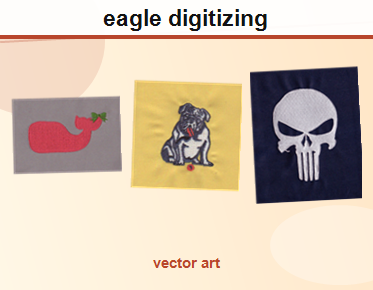
Before embroidery starts, the artwork often needs vector cleanup. That means fixing rough edges, separating shapes, and removing unnecessary clutter from the source file. Clean vector art gives the digitizer a stable base and helps the production team avoid guessing during setup.
This step is one reason a good embroidery digitizing cost is really a file-prep investment, not just a line item. A stronger source file can reduce revisions, speed up approval, and keep the project moving without repeat corrections.
Sew-out testing catches problems before a full run
A sew-out test shows what the file does in the real world, not just on a screen. It reveals puckering, thread nesting, tight curves, and spacing issues that might not be obvious in the digital preview. That is where professional production saves time and garments.
Eagle Digitizing approaches this workflow with production in mind: review the artwork, prepare the stitch file, and flag issues that could affect the final embroidery. For event merchandise, that early checkpoint can prevent a costly batch of unusable samples.
Understanding the true cost of rework
When a design has to be redone, the expense is bigger than the digitizing fee. Rework can mean new samples, delayed shipments, extra hooping time, wasted blanks, and frustrated clients. Comparing the cost to digitize logo for embroidery against the cost of fixing a failed run usually makes the smarter choice obvious.
That is why event planners, decorators, and apparel brands often look for embroidery digitizing services in usa that understand production pressure. The goal is not the cheapest file; it is the file that keeps the order moving with fewer surprises.
What to send when you want fewer revisions
Start with the cleanest version of the logo you have, plus the garment type, imprint size, and any placement notes. If you know the fabric, share that too. Those details help the digitizer set the right stitch density, underlay, and compensation from the beginning.
For best results, ask for the embroidery file to be reviewed before you approve the first sew-out. That simple step can save time, reduce back-and-forth, and keep event merchandise looking consistent across every piece in the order.
Why production-minded partners reduce stress for brands
A production-minded partner thinks beyond file conversion. They look at how the logo will stitch on real merchandise, where the risk points are, and what can be simplified before thread ever touches fabric. That mindset helps brands protect quality while keeping the order process efficient.
It also gives decorators a better starting point for repeat orders, reorders, and multi-item event kits. When the file is built for the product line, every future run becomes easier to manage.
FAQ
How does digitizing reduce rework on event merchandise embroidery?
Professional digitizing prepares the file for the actual fabric, size, and stitch behavior before production starts. That reduces distortion, missed details, and sample corrections.
What artwork should I send for better embroidery file preparation?
Send the cleanest vector logo you have, plus garment type, placement, and finished size. Clear source art helps the digitizer avoid cleanup delays and stitch errors.
Why do small letters need special attention in embroidery?
Small letters can fill in, lose spacing, or become unreadable once stitched. A professional file may need simplification so the text stays clear on the final garment.
When event merchandise has to look right the first time, better file preparation makes all the difference. Eagle Digitizing helps turn rough artwork into production-ready embroidery files that lower rework, protect garment quality, and support a smoother approval process. Get a Free Estimate and Start Your Embroidery Project with confidence.