
What Makes medical uniform embroidery Hard to Digitize Cleanly
Medical uniform embroidery is hard to digitize cleanly because scrubs, lab coats, and clinic wear combine small lettering, curved seams, frequent washing, and fabric movement that can distort stitches. Clean results depend on professional embroidery digitizing, not simple artwork tracing. Upload Your Design to start with a file built for production, not just display.
Why Medical Garments Challenge Clean Stitching
Medical apparel is built for comfort and durability, but that same construction makes embroidery harder. Lightweight knits stretch, polyester blends shift under the needle, and seams sit close to common chest-placement zones. A logo that looks simple on screen can behave very differently once it is stitched onto real workwear.
Small Text Is Usually the First Problem
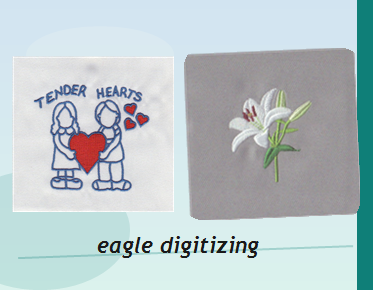
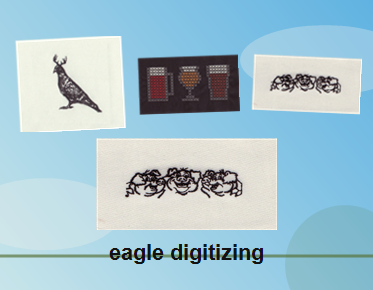
Hospitals, clinics, and dental offices often want names, credentials, or department titles placed in a small area. That creates issues with small embroidered text, especially when letters drop below readable stitch size. Thin strokes fill in, counters close up, and punctuation can disappear if the digitized file is not simplified correctly.
Scrubs, Lab Coats, and Stretch Fabrics Move Differently
Not every medical uniform reacts the same way. Scrub tops may pull outward, lab coats can be stiff in one area and soft in another, and performance blends may shift during sewing. Good digitizing has to account for fabric compatibility so the design holds shape after the garment leaves the hoop.
Seams, Pockets, and Closures Break the Design Area
Medical uniforms often place embroidery near pockets, plackets, or top seams where the surface is not flat. That is why placement planning matters as much as thread selection. If the logo crosses a seam line or pocket edge, the machine may misread the shape and create puckering, gaps, or uneven registration.
Thread Direction Changes How the Design Reads
On clean artwork, people focus on color and shape. In production, thread direction controls how light hits the stitches and how sharp the lettering looks. For medical uniform embroidery, the digitizer often adjusts angle changes to keep letters legible and to reduce the stiff, crowded look that can happen in tight spaces.
Stitch Density Must Stay Controlled
Too much stitch density can make a logo bulky, hot, and unstable on a wash-heavy garment. Too little density creates weak coverage and shows fabric through the design. The best files balance density with the shirt weight, thread count, and expected laundering so the embroidery stays professional after repeated wear.
Underlay and Pull Compensation Do the Quiet Work
Underlay supports the top stitches and helps keep lettering from sinking into soft fabric. Pull compensation offsets the natural tug of thread so circles stay round and edges stay sharp. Without those settings, medical logos may look fine in the file but lose edge control once the machine starts running.
Vector Cleanup Comes Before a Clean Stitch File
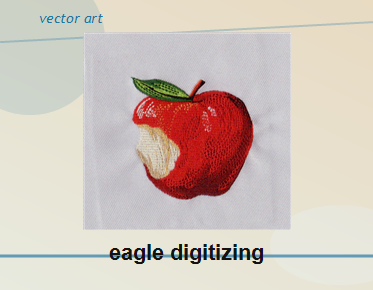
Many customer files arrive with low-resolution artwork, fuzzy type, or extra points that make the design harder to sew cleanly. Before anyone tries to convert logo to dst, the artwork should be cleaned, simplified, and checked for hidden problems. That step reduces guesswork and makes the final embroidery file more stable.
Online Conversion Tools Rarely Solve Production Issues
A quick convert image to dst online tool may generate a stitch file, but it will not understand medical fabric, tiny type, or seam placement. Automatic conversion can be useful for very basic artwork, but medical uniform embroidery needs a human approach that adjusts the file for the real garment.
File Preparation Should Match the Garment, Not Just the Logo
Good embroidery file preparation starts with the actual product: scrub top, lab coat, hat, or jacket. Eagle Digitizing reviews the design size, placement, fabric type, and lettering before building the file. That process helps prevent avoidable rework and gives customers a clearer path from artwork submission to production.
Sew-Out Testing Exposes Problems Early
Even a strong digitized file can need adjustment after a test sew-out. Testing shows whether small letters close up, whether the density is too high, and whether the design shifts on a medical uniform seam. This is where production reality replaces assumptions, and small edits can save an entire order.
Why the Cheapest File Is Not Always the Best Value
Customers often ask about embroidery digitizing cost before they ask about fabric, placement, or stitch complexity. That is understandable, but medical uniforms are not simple promotional tees. A file with small lettering, tight detail, or tricky placement usually needs more planning, which is why price should be judged alongside production quality.
When Simplifying the Design Is the Smartest Fix
Some artwork is too detailed to work cleanly at medical-uniform size. In those cases, the best solution is not forcing every line into thread. A cleaner font, fewer tiny elements, and slightly larger lettering often produce a more durable result that looks better on staff uniforms and survives heavy wash cycles.
What to Send for Better Results
If you want a cleaner quote and fewer revisions, send the highest-quality art available, the target garment type, the exact placement, and any size limits from your supplier. That information helps the digitizer build the file correctly the first time and avoids delays caused by missing production details.
Medical Uniform Embroidery Is a Production Problem, Not Just a Design Problem
The cleanest embroidered uniforms come from matching artwork to fabric behavior, stitch logic, and real-world wear. That is why logo digitizing services matter so much for clinics, practices, and healthcare brands. The file has to support readability, durability, and placement before the first stitch ever runs.
FAQ
Why does medical uniform embroidery blur small text?
Small text can blur because the stitches are too tight, the fabric moves, or the letters are simply too small for clean thread definition. Simplifying the font and adjusting density usually helps.
Can every medical logo be embroidered on scrubs or lab coats?
No. Some logos need to be simplified for size, seam placement, or fabric stretch. A digitizer should review the garment type before the file is approved for production.
What is the best way to submit a medical uniform design?
Send clean artwork, the garment type, the exact placement, and the target size. Those details help the file prep team build a stitch file that is more accurate and easier to sew.
When medical uniform embroidery has to look sharp, the difference usually comes down to thoughtful file prep, not just the artwork itself. Eagle Digitizing can help turn a difficult design into a practical stitch file that respects fabric behavior, small lettering limits, and placement risks. Contact Us to start your next project and get a file ready for cleaner production.