
Why Complex Artwork Needs Manual Vector Cleanup
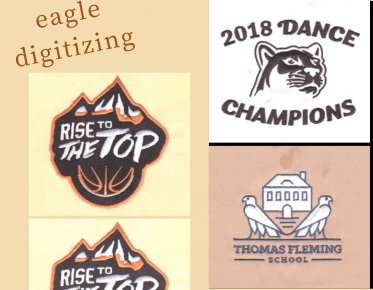
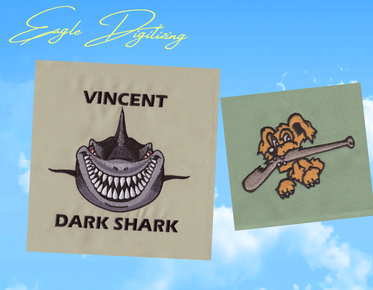
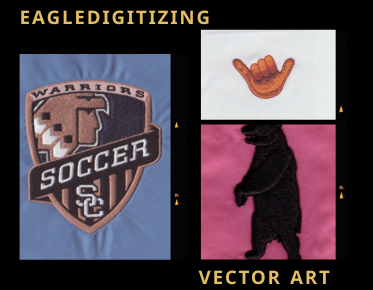
Complex artwork needs manual vector cleanup because auto-tracing often leaves jagged curves, messy corners, and extra nodes that weaken embroidery and printing results. Manual cleanup turns artwork into a usable production file with cleaner shapes, better stitch planning, and fewer costly revisions. If your design is detailed, Upload Your Design and request a Free Estimate.
Auto-Trace Looks Fast, But Production Needs More
Automatic tracing can be helpful for simple shapes, but complex logos, layered artwork, and scanned graphics usually need human judgment. What looks acceptable on a screen may still contain broken outlines, uneven fills, and awkward curves that become obvious once the file is digitized.
Complex Artwork Often Hides Structural Problems
Designs with gradients, shadows, thin lines, distressed textures, or mixed line weights rarely convert cleanly on their own. These details can confuse the file and create weak edges, small gaps, and shapes that do not reproduce well on apparel or caps.
Manual Cleanup Improves Shape, Readability, and Control
Clean-up is not just about making art prettier. It removes noise, tightens curves, and simplifies the structure so the production team can work with a predictable file. That is especially important when the final result has to stay sharp at smaller sizes.
Why a Clean Vector Matters Before Digitizing
A polished vector art file gives the digitizer a solid foundation. Without that, the embroidery file may inherit flaws from the source image, which can lead to uneven outlines, unstable details, and extra manual fixes during production.
Raster Images Need More Than a Quick Conversion
Photos, screenshots, and low-resolution logos often need real vector conversion before they can support embroidery production. A simple trace may preserve blur, while a manual rebuild creates smoother edges, clearer fills, and cleaner separation between shapes.
Vector Cleanup Protects Stitch Quality
Embroidery depends on file discipline. If the artwork is cluttered, the stitch file may become too dense in one area and too weak in another. Manual cleanup helps the design translate into more consistent stitch density, better underlay planning, and fewer problems at sew-out.
Thread Direction Starts with Better Art
Good embroidery file preparation is easier when the art is already organized. Clean shapes help the digitizer plan thread direction, pull compensation, and pathing more accurately. That reduces distortion, especially around curves, borders, and lettering that must stay readable after stitching.
Small Lettering and Fine Detail Have Limits
Many customers want every detail preserved, but embroidery has real size limits. Thin strokes, tiny type, and crowded icons may disappear or fill in. Manual cleanup helps identify which details should be simplified so the final design still reads clearly on the garment.
Fabric Compatibility Changes the Cleanup Approach
The same artwork behaves differently on a polo, cap, jacket, or fleece. A file that looks fine in a mockup may need shape adjustments for stretch, texture, or seam placement. Manual cleanup makes it easier to prepare artwork that fits the fabric instead of fighting it.
Redraw When Tracing Would Miss the Point
When a design is heavily distorted, faded, or pixel-based, a quick trace is usually not enough. In those cases, teams often need to redraw vector artwork so the proportions, angles, and line weights match the brand more closely.
Better Files Reduce Rework in Production
A strong vector file reduces the back-and-forth that slows production. It helps the digitizer focus on stitch logic instead of correcting basic artwork issues, which saves time when a client needs multiple garments, colorways, or placement variations.
The File Prep Workflow Should Be Intentional
Good production starts with source review, cleanup, vector rebuilding if needed, and then digitizing. After that, a sew-out test confirms whether density, underlay, and pull compensation behave correctly. That workflow is one reason complex artwork should never go straight from scan to stitch file.
What Customers Usually Miss About Artwork Quality
Many clients think the only issue is resolution, but the bigger problem is structure. Missing anchor points, awkward curves, and overlapping shapes can all create trouble later. A clean file improves clarity for branding, apparel decoration, and the embroidery file preparation stage.
How Eagle Digitizing Fits Into the Process
Eagle Digitizing helps customers evaluate problem artwork before production moves too far. When a file needs cleanup, the goal is to make it more practical for embroidery digitizing, reduce unnecessary corrections, and prepare a stronger starting point for stitched apparel branding.
Signs Your Artwork Needs Manual Cleanup Before You Quote
If your logo has blurry edges, inconsistent line weights, tiny type, or textures that do not translate well, it is a strong candidate for cleanup. A quick review now can prevent production delays later and help your quote reflect the real work required.
FAQ
Why does complex artwork need manual vector cleanup?
Because auto-tracing often leaves rough edges, extra points, and weak shapes. Manual cleanup makes the artwork cleaner, more accurate, and easier to digitize for embroidery or other production uses.
Can I send a raster image and still get embroidery-ready art?
Yes, but it usually needs vector conversion first. A manual rebuild is often better than a basic trace when the image is blurry, low-resolution, or heavily detailed.
What should I send before requesting embroidery digitizing?
Send the best version of your artwork, plus garment type, placement, and size. That helps the team judge whether the file needs cleanup, simplification, or sew-out testing before production starts.
When complex artwork is cleaned properly, the final embroidery looks sharper, stitches more predictably, and represents the brand with far less risk. If you are preparing a logo or illustration for apparel branding, Eagle Digitizing can help you decide what needs manual cleanup before digitizing, so your file is ready for production and your next order starts on the right path. Contact Us or Start Your Embroidery Project when you are ready to move forward.