
Why more brands require logos to be scalable and adaptable
Branding used to be judged by how striking a logo looked on a business card, a storefront sign, or a glossy brochure. Today, that standard feels outdated. A logo is no longer a single visual asset sitting quietly in a brand guideline file. It is expected to work everywhere: on a phone screen, inside a social media profile circle, on a billboard, on packaging, on uniforms, on embroidered caps, on jacket backs, and on every digital and physical surface a company might ever touch. That is why more brands now care deeply about scalability and adaptability, and why many are investing in Logo Digitizing as part of their broader identity system.
The modern logo has to survive more context shifts than ever before. It must look sharp at tiny sizes without losing detail, yet stay confident when expanded into large-format applications. It must adapt to dark backgrounds, light backgrounds, multicolor printing, single-color engraving, and embroidery. It must hold together when a brand enters new markets, launches sub-brands, or introduces seasonal collections. In other words, a logo is no longer just a symbol; it is a flexible business tool. And the brands that understand this early are often the ones that look more consistent, more professional, and more memorable over time.
Why scalability has become a brand survival skill
Every touchpoint is a test
A logo that looks polished in a presentation deck may fail the moment it appears on a woven label, a mobile app icon, or a tiny sleeve mark. This is where scalability matters. Scalable logos retain their integrity at both extremes of size. They are designed with line weight, spacing, contrast, and simplified structure in mind, so they can appear small without collapsing into visual clutter. Brands that ignore this often discover their logo looks inconsistent from one medium to another, which weakens recognition and trust.
Scalability also protects the story behind the brand. A logo is supposed to help people remember who you are, not remind them that your artwork is difficult to use. When a design becomes too detailed or too fragile, teams start making unauthorized adjustments just to keep things workable. They crop it, stretch it, flatten it, or simplify it in ad hoc ways. Over time, those small compromises create a fragmented identity. The logo that once promised cohesion begins to feel unreliable.
Digital platforms changed the rules
Years ago, logo design often prioritized print first. Now, digital spaces lead the conversation. Profile images are tiny. App headers are narrow. Website favicons are microscopic. Social platforms crop logos into circles, squares, or awkward aspect ratios. A modern logo therefore needs a responsive mindset built into its core. Sometimes that means a primary logo, a simplified icon, a wordmark, and alternate lockups that can be used depending on the environment. Brands that embrace this flexibility are better prepared for omnichannel marketing because they no longer depend on a single rigid file to do every job.
Adaptability matters because each platform rewards a different type of clarity. A logo that thrives on a storefront sign might not survive a digital avatar. A logo that looks elegant in a horizontal layout might become unreadable when stacked vertically. By designing for adaptability early, brands avoid expensive redesigns later and create a visual system that can scale alongside the business itself.
What scalable and adaptable really mean in practice
Scalability is not just about size
Many people think scalability simply means resizing a logo without distorting it. That is only part of the picture. True scalability means the logo keeps its meaning, hierarchy, and legibility as it moves across materials and sizes. It should be able to expand to the side of a vehicle wrap, shrink to a pen imprint, or appear on a garment label without losing its identity. If details disappear at small sizes, the logo is not truly scalable. If it feels empty or underdeveloped at larger sizes, it is not fully resolved either.
Adaptability is the companion concept. A logo can be scalable yet still be difficult to adapt if the brand has no secondary versions or simplified variants. Adaptability asks a broader question: can this identity system respond to different use cases without losing consistency? A strong adaptable logo system includes clear rules for color versions, layout variations, minimum size, spacing, and background treatment. It is not a single file; it is a family of assets built to travel well.
Why adaptability is now a strategic asset
Brands today operate in environments that change quickly. Product lines shift. Audiences fragment. New social channels emerge. Packaging formats evolve. Retail partners impose their own technical requirements. The more touchpoints a brand has, the more value it places on flexibility. A rigid logo can force teams into slow, expensive workarounds. An adaptable one makes collaboration easier, speeds up production, and reduces errors during launch cycles.
This is especially important for growing brands that move between direct-to-consumer, wholesale, event merchandising, and licensing. The logo may need to appear on product tags one week and large-scale signage the next. When the identity system has been designed with adaptability in mind, teams can move faster without sacrificing consistency. That speed becomes a competitive advantage.
The hidden cost of a rigid logo
Visual inconsistency becomes expensive quickly
A rigid logo often creates a chain reaction of problems. Designers spend extra time reworking files. Printers ask for revisions. Manufacturers need alternate artwork. Marketing teams improvise on the fly. Even small corrections multiply when the same logo must be adapted across many applications. The cost is not only measured in time; it is also measured in brand confidence. When partners see repeated file issues, they begin to question how organized the brand really is.
There is also the cost of missed opportunities. A logo that is too complex may prevent a company from using premium finishes such as embroidery, embossing, or specialty materials. A logo with thin strokes may disappear in production. A mark with excessive gradients may be hard to reproduce on fabric. These issues can stop a brand from exploring merchandise or uniform programs that could otherwise strengthen visibility and revenue.
Rigid logos age faster
Another overlooked problem is longevity. The more specifically a logo is tied to one medium or one style trend, the sooner it feels outdated. Flat, adaptable forms tend to survive longer because they can be refreshed through color, layout, or supporting design elements rather than full replacement. This gives businesses more creative room while preserving recognition. In fast-moving markets, that kind of durability matters.
Brands that build with flexibility from day one are less likely to undergo disruptive redesigns. They can refresh packaging, expand product categories, or enter new channels without abandoning their core identity. That stability makes the brand easier for customers to recognize and easier for internal teams to manage.
Why embroidery makes logo adaptability even more important
Fabric changes everything
Embroidery is one of the best examples of why logos must be scalable and adaptable. A logo that looks crisp on screen may become difficult to stitch if it contains ultra-fine lines, tiny text, crowded details, or subtle gradients. Fabric is not paper. Thread behaves differently from ink. The weave of the garment, the pile of the material, and the shape of the placement area all affect the final result. This is where embroidery digitizing services become essential for brands that want their artwork to translate cleanly into production.
For embroidery, a logo is not simply exported; it is interpreted. The artwork has to be re-engineered so stitches can reproduce the design with clarity and efficiency. That means simplifying where needed, strengthening fragile elements, and choosing stitch types that suit the garment. A logo that is adaptable on paper is often much more likely to succeed in embroidery, because both require strong visual hierarchy and enough breathing room to remain readable under real-world conditions.
Small placement areas expose weak design decisions
Left chest logos, cap fronts, and sleeve marks force brands to confront scale in a very practical way. Small spaces magnify every design flaw. Letters that are too close together can fill in. Thin shapes can break apart. Overly decorative marks can become muddy. This is why brands increasingly think beyond the initial concept and consider how the logo will perform on products from the very beginning.
Embroidery also adds a tactile dimension to brand identity. The logo is not only seen; it is felt. That sensory quality can elevate a brand when the design is right. It can also hurt the result when the logo has not been prepared properly. A clean, adaptable mark gives embroidery more room to shine, while a rigid or overcomplicated design can make the finished product look unrefined.
From artwork to stitchable asset
Why digitizing is part of modern branding
As brands expand into apparel and merchandise, artwork must move from a flat concept into a stitchable file. That transition is where thoughtful production planning matters. A logo that is technically beautiful in a digital mockup may still need adjustments before it can be embroidered well. Stitch direction, underlay, density, pull compensation, and shape sequencing all affect the final appearance. Good preparation transforms a logo from a static image into a production-ready asset.
For that reason, many brands now rely on specialists who understand how design and manufacturing intersect. When a team is asked to produce embroidery stitch optimization, it is not just fixing a file; it is protecting the brand’s visual consistency in a physical medium. The right adjustments help the logo stay sharp, balanced, and durable after stitching, washing, and wear.
Production-ready files reduce friction
In apparel workflows, the phrase “production-ready” matters a lot. It means the file is prepared with manufacturing constraints in mind and can move through the process without unnecessary delays. For embroidery, that means careful attention to stitch order, object structure, sizing, and output format. Brands that invest in production-ready embroidery files usually experience fewer revisions and fewer surprises during sampling or bulk production.
This production mindset is especially helpful when a logo has to appear across several placements, such as caps, left chest, jacket backs, and promotional apparel. Each surface presents different technical requirements. The more adaptable the original logo system, the easier it is to create versions that perform consistently across all of them.
How brands benefit from professional digitizing support
More than file conversion
Professional digitizing is not just about converting a logo into a machine-friendly format. It is about understanding how the artwork will be stitched, what fabric it will live on, and how the brand wants it to look in the real world. A service like professional embroidery digitizing becomes valuable because it bridges the gap between brand design and garment production. That bridge is often where quality is won or lost.
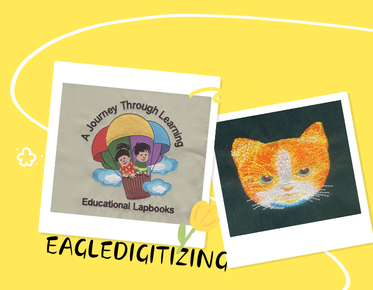
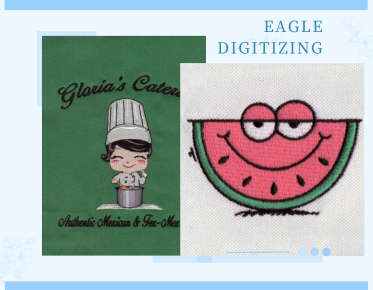
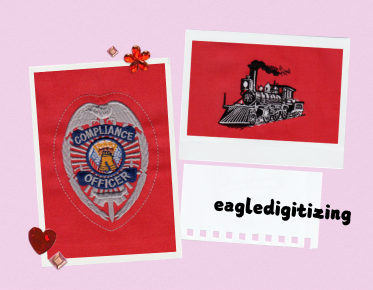
Teams such as Eagle Digitizing are often chosen by brands that need help with online logo digitizing, file conversion, and placement-specific adjustments for apparel. Their work can support logos for caps, workwear, hoodies, patches, and other branded items. They also help teams handle practical issues like small text, thick fabrics, structured caps, and oversized logos, which are exactly the kinds of use cases that reveal whether a logo is truly scalable.
Fast-moving brands need responsive production support
Speed matters when product launches are tied to campaigns, events, or seasonal drops. A brand may need changes quickly, especially if a sample reveals that a detail is not stitching well. In those cases, responsive digitizing support can save a launch. The goal is not just to complete a file; it is to keep the brand on schedule while preserving quality. That is one reason many businesses value digital workflows that can handle remote communication, file upload, revisions, and quick turnaround without making production feel chaotic.
In the real world, branding is rarely a one-time project. It is a living process that continues as products, markets, and customer expectations evolve. The right partner helps a brand stay flexible without sacrificing the character that makes it recognizable.
Responsive logo systems are becoming the new normal
One logo, many expressions
Brands are moving away from the idea that a single logo file should handle every use case. Instead, they are building responsive identity systems with variants for different sizes and contexts. A full logo may be used on official materials, a shorter wordmark may appear on packaging, and an icon may serve as a profile image or garment mark. This allows the brand to stay recognizable while fitting different spaces more naturally.
This approach is especially helpful for companies with multi-product lines or audience segments that interact with the brand in different ways. Fashion labels, for example, may need a bold back print for a statement piece, a subtle chest mark for premium basics, and a compact emblem for beanies or caps. The more adaptable the original identity system, the easier it is to design these applications without losing cohesion.
Adaptability supports growth across categories
As brands grow, they often step into new categories that have their own technical demands. A logo that works on packaging may need to be simplified for apparel. A mark that feels strong on web may need additional spacing for embroidery. A visual system that seemed complete at launch may need new versions once the brand begins serving wholesale partners, franchisees, or international audiences. Adaptability ensures the identity grows with the business instead of holding it back.
That is also why many teams now think about logo design and production at the same time. Instead of treating apparel as an afterthought, they consider how the logo will perform across merch, uniforms, accessories, and marketing materials from the beginning. The result is fewer compromises and a stronger brand presence across every channel.
The technical reasons logos fail in production
Tiny details are often the biggest problem
One of the most common reasons logos fail in embroidery is not the main symbol but the smallest details. Fine lines can disappear. Overlapping elements can cause buildup. Tiny letters can become unreadable. Narrow spaces can fill in with thread. These issues are more visible on fabric than on a screen, which is why a logo has to be designed and adapted with production in mind. The best systems anticipate these problems before they ever reach the machine.
Designers and brand managers who understand embroidery tend to build cleaner, more durable identities. They know that thread has thickness, fabrics stretch, and stitches occupy space. As a result, they create logos that can survive those realities without losing their core look. This mindset is not limiting; it is liberating, because it gives the logo more places to live successfully.
Material differences affect the final look
A logo on a structured cap will not behave the same way as a logo on a soft hoodie or a heavy jacket back panel. Materials change the visual outcome, which is why placement-specific planning matters so much. Even when the same design is used, the digitizing approach may need to shift to account for curve, thickness, stretch, and surface texture. This is where service providers that offer flexible production support can help brands adapt quickly without redesigning the core identity each time.
For brands that work with multiple garment types, this can be the difference between a polished product line and a set of inconsistent samples. The scalable logo is the one that can travel across those formats without needing a new creative direction every time.
Where adaptable logos create the most business value
Merchandise and retail
Branded merchandise is one of the clearest places where logo adaptability pays off. Consumers expect apparel, hats, bags, and accessories to feel intentional and premium. If the logo cannot scale down for a cap or adapt to a jacket back, the merchandising opportunity shrinks. A flexible identity system lets brands explore more product categories without redesigning from scratch. That expands both visibility and revenue potential.
Uniforms and workwear
Uniform programs need consistency. Employees should look like part of the same organization whether their logo is stitched on a polo shirt, a jacket, or a safety garment. Adaptable logos make this easier because they can be adjusted to the format without sacrificing recognition. This is one reason many businesses invest in scalable branding when they begin rolling out workwear across teams or locations.
Promotional apparel and events
Event merchandise and promotional apparel move quickly, often under tight timelines. The logo has to be ready for print or stitch in a format that suits the selected item. When a brand already has a flexible system, it can adapt more easily to rush opportunities, co-branded items, sponsorship activations, and trade show giveaways. That agility creates a more responsive marketing engine.
Choosing the right production support for a scalable identity
Look for expertise in both design and garment application
Not every production partner approaches embroidery with the same level of care. A strong provider should understand branding as well as stitch mechanics. They should be able to prepare files that respect the design while making it more usable for the machine. They should also be comfortable working with multiple product categories and placement types, because brand assets rarely live in one format for long.
When evaluating support, many brands look for teams that handle custom requests, file conversion, and adjustments for specialized items. That includes cap embroidery, left chest placement, jacket backs, patches, and other applications where scale and clarity are critical. Services that offer Custom Embroidery Digitizing Services can be especially valuable when a brand wants to protect its visual identity while preparing for real production conditions.
Communication is part of quality
Great production support is not only about technical skill. It is also about communication. A brand benefits when a digitizer asks the right questions, understands the intended use, and can recommend adjustments that preserve the overall look. This collaborative process helps avoid preventable problems and ensures that the final stitched result matches brand expectations more closely.
That is why many businesses prefer a partner that can handle online workflows efficiently. Digital file exchange, quick feedback loops, and clear revision notes help brands stay organized while moving through the development process. In a fast-paced market, that kind of clarity saves both time and budget.
How to build a logo system that lasts
Design with constraints instead of against them
The best scalable logos are usually built with constraints in mind. Designers think about how small the mark may need to go, what materials it will appear on, and whether it will need a one-color version, a simplified icon, or alternate horizontal and stacked layouts. Instead of fighting those constraints later, they use them to shape a more resilient identity from the start.
This approach helps brands avoid the trap of overdesign. It is tempting to add more detail, more effects, or more visual drama, but these choices often make a logo less adaptable. Simplicity does not mean blandness. It means precision. It means the logo has enough structure to remain recognizable in different environments without becoming dependent on one perfect rendering.
Document the system clearly
Adaptability only works when the rules are clear. Brands should define when to use the primary logo, when to use a secondary version, what the minimum size is, how much clear space is required, and which color treatments are approved. Clear documentation protects consistency across teams and vendors. It also helps new employees, outside agencies, and production partners keep the brand aligned.
For apparel and embroidery, this documentation is even more valuable because it helps bridge the gap between the design team and the production team. The more specific the guidance, the fewer surprises downstream.
What the next phase of branding looks like
Flexibility will matter even more
As brands continue to operate across digital, physical, and hybrid environments, the pressure on logos will only increase. A symbol may need to work in augmented reality, on smart packaging, across marketplace thumbnails, and on garments that move through multiple print and stitch processes. The brands that thrive will likely be the ones that treat adaptability as a foundational design principle rather than an optional upgrade.
This shift is already visible in industries where product storytelling matters deeply. Fashion, sportswear, hospitality, wellness, local retail, and corporate merch all benefit from identity systems that can stretch without breaking. The logo becomes less of a fixed object and more of a responsive asset that supports the brand’s many forms of expression.
Production quality will remain part of brand perception
Consumers may not always know why a logo feels premium, but they can sense when it is executed well. Clean edges, balanced proportions, and consistent reproduction all contribute to that impression. Poorly stitched or badly scaled logos can make even a strong brand look less professional. That is why scalable design and production-ready execution belong in the same conversation. They both shape how the brand is experienced.
In practice, this means brands should think beyond the concept stage and plan for output. Whether they are building a new logo or refining an existing one, they should ask how it will perform in print, on screen, and in stitch. That one habit can prevent a long list of downstream problems.
Building for tomorrow, not just for launch day
More brands require logos to be scalable and adaptable because business itself has become scalable and adaptable. Companies expand into new platforms, new materials, new markets, and new customer behaviors faster than ever before. A strong logo system helps them keep pace. It allows a brand to stay recognizable while changing shape around the realities of production and communication. That is why thoughtful teams pay attention to file structure, placement variations, and the technical details that keep the identity intact.
When a logo is designed to travel well, it becomes easier to use on the smallest embroidered mark and the largest campaign display. It can support retail growth, apparel programs, event merchandising, and digital storytelling without needing constant rescue work from designers or manufacturers. Brands that embrace this mindset often move faster and look more cohesive while doing it. And if the system is built well, the next challenge is not whether the logo can adapt, but how many new environments it can enter successfully.
That is the real advantage of a scalable identity: it does not just survive change, it makes change easier. As new product lines appear, as customer expectations evolve, and as production methods continue to diversify, the most valuable logos will be the ones that remain clear, flexible, and ready for whatever the brand decides to do next. The question for modern businesses is no longer whether they need adaptability, but how far they want their logo system to go.