
Why Are Organic, Warm, and Human Design Styles Influencing Vector Logo Trends?
Logo design has always reflected the mood of its era, but the current moment feels especially revealing. Across startups, legacy brands, creative studios, and local businesses alike, a visible shift is taking place: polished perfection is giving way to soft imperfection, sterile geometry is making room for personality, and visual systems are becoming more tactile, emotional, and human. The rise of organic, warm, and human-centered aesthetics is not a passing style choice. It is a deeper response to how people now want brands to look, feel, and communicate in a world that often seems overloaded with speed, noise, and automation.
This is exactly why vector logo design has evolved far beyond sharp-edged symbols and rigid corporate marks. Brands still need the scalability, flexibility, and technical reliability that vector formats provide, but they also want those qualities to support a softer visual language. The challenge is no longer simply to create a logo that works everywhere. The challenge is to create one that feels alive everywhere, from a tiny app icon to a billboard, from a packaging label to a stitched patch. That desire for human warmth is changing how designers think about curves, spacing, texture, shape language, and even the emotional weight of a line.
What makes this trend especially interesting is that it is not about rejecting professionalism or clean execution. It is about redefining what professionalism looks like. In the past, a logo that appeared highly polished, symmetrical, and minimal often signaled trust and competence. Today, trust is also communicated through openness, sincerity, craftsmanship, and visual storytelling. Organic styles offer exactly that. They suggest a handmade origin, a thoughtful process, and a brand voice that is less mechanical and more conversational. This emotional shift is affecting everything from typography choices to icon construction, and it is giving vector logos a more expressive future.
For brands that need clean delivery across print and digital touchpoints, this shift also connects directly to production realities. Teams that rely on vector artwork services are discovering that warmth in style does not mean looseness in execution. The artwork still needs to be crisp, adaptable, and technically sound. It still needs to support print, embroidery, signage, packaging, and online use without losing character. The strongest modern logos are often the ones that marry emotional softness with precise vector construction, proving that a human feel and a professional finish can coexist beautifully.
The Emotional Turn in Brand Identity
The most important reason organic, warm, and human design styles are influencing vector logo trends is that people are craving emotional connection. Brands are no longer judged only by how they perform; they are judged by how they make people feel. A logo is often the first visual cue a person receives, and that cue can either feel cold and corporate or welcoming and alive. In a marketplace full of polished templates and algorithmic sameness, a brand that looks thoughtfully shaped by human hands can feel instantly more memorable.
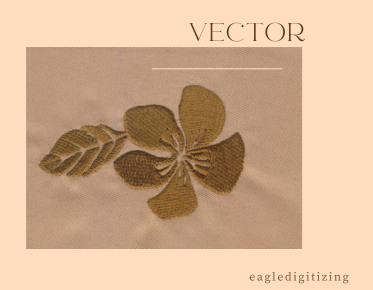
This emotional turn is easy to notice in industries that depend heavily on first impressions. Cafes, wellness brands, artisanal food labels, boutique clothing lines, sustainable product companies, and community-focused businesses are all leaning into softer visual identities. They want marks that feel approachable rather than intimidating, natural rather than manufactured, and personable rather than distant. Even when the final logo is built as a vector, the visual story is often inspired by brush-like curves, asymmetry, handwriting, botanical motifs, or shapes that echo natural objects such as leaves, pebbles, arcs, grains, and waves.
There is also a psychological reason these styles resonate so strongly. Human beings are drawn to signs of life. A slightly uneven contour, a hand-drawn curve, or a shape that looks discovered rather than engineered can spark a sense of authenticity. That authenticity matters because many audiences today are skeptical of overbranding. They know when a design feels manufactured to the point of emptiness. Organic visual language offers relief from that emptiness by creating a more intimate and believable brand presence.
Warmth plays a large role here too. Warm design is not only about color palettes, though earthy tones, muted neutrals, clay reds, and gentle greens often help. It is also about rhythm, spacing, and visual behavior. A warm logo does not shout. It invites. It gives the eye room to breathe. It avoids looking defensive or overcomplicated. It allows the viewer to experience the brand as a presence rather than a corporate machine. That emotional subtlety is one of the reasons warm vector marks feel so current.
How brands translate feeling into form
Designers rarely use the word “warm” in a literal sense when they work on a logo. Instead, they translate the feeling into practical decisions. They may round the corners of a wordmark, relax the balance of a monogram, widen the negative space, soften the stroke contrast, or introduce a contour that resembles a natural gesture rather than a strict grid. These changes seem small, but they dramatically alter the emotional tone of the final mark. The best vector logos today often feel as if they were shaped by a person who understood both the client’s story and the audience’s expectations.
The shift toward warmth is particularly visible in logos that use linework, handwritten cues, or simplified illustrations. A logo can remain highly scalable and technically clean while still feeling expressive. That balance is what makes vector design so powerful. It can preserve the spontaneity of a sketch while ensuring the mark stays consistent across every application. This is where the craft of conversion, redrawing, and cleanup becomes essential. A human-looking idea still needs a structurally sound foundation if it is going to survive in the real world.
Why Organic Shapes Feel More Honest
Organic shapes have a unique visual honesty. They do not pretend to be perfect, and that very imperfection is what makes them appealing. In an age where people encounter so much artificial content, overly sharp geometry can sometimes feel emotionally inaccessible. Organic forms, by contrast, resemble life. They feel as though they were taken from nature, motion, or gesture. That association makes them easier to trust.
Nature has always influenced design, but the current wave of organic logo trends is different because it is not just decorative. It is strategic. Brands use curves, irregular outlines, and fluid compositions to suggest adaptability, care, and sustainability. These are not just visual qualities; they are business values. A logo that looks naturally shaped can support narratives around eco-consciousness, wellness, craftsmanship, community, and mindful production. Even a tech company can benefit from a more organic identity if it wants to appear collaborative and user-friendly rather than rigid or intimidating.
The appeal of organic forms is also tied to the growing appreciation for human imperfection. For many years, brand identity systems celebrated ultra-clean alignment and highly controlled symmetry. Those still matter, but audiences are increasingly open to designs that show a little variation. A hand-touched curve or a slightly irregular silhouette can signal authenticity much more effectively than a flawless but generic mark. In that sense, the trend reflects a broader cultural movement toward individuality and away from overstandardization.
There is another advantage to organic design: it creates memorability. Perfectly geometric logos can be elegant, but they can also blur together if they follow the same visual rules. Organic marks are often easier to remember because they contain unexpected rhythm. A soft bend, a layered shape, or a hand-rendered impression gives the eye something distinctive to hold onto. In crowded markets, that kind of distinction is valuable.
The quiet power of asymmetry
Asymmetry has become one of the subtle heroes of modern logo design. When used thoughtfully, it can make a logo feel more dynamic, more human, and less formulaic. A centered composition may convey stability, but a slightly off-balance form can convey movement and originality. Designers are increasingly using asymmetry to suggest spontaneity without sacrificing clarity. The result is often a logo that feels like it was discovered rather than merely assembled.
This is especially effective in vector systems because the artwork can be refined until the asymmetry feels intentional. Nothing has to look sloppy. Every curve can be tuned. Every angle can be measured. Every white space relationship can be calibrated. The human touch remains visible, but the structure stays dependable. That combination is one of the defining strengths of contemporary logo work.
Warm Minimalism Is Replacing Sterile Minimalism
Minimalism has not disappeared. Instead, it has softened. The old version of minimalism often favored cold precision, stark contrast, and a strict visual diet. The newer version keeps the simplicity but adds empathy. Warm minimalism uses fewer elements, but each element feels more intentional and more emotionally resonant. The logo is still clean, yet it has a pulse.
This evolution is one reason why contemporary vector logos often include softened edges, rounded terminals, muted color palettes, and typography with more character. Designers are no longer trying to prove that less is always more in an abstract sense. They are trying to make less feel meaningful. A logo with fewer parts can still communicate richness if those parts are shaped with care. That is where warm minimalism succeeds: it simplifies without stripping away humanity.
Warm minimalism also performs well across digital platforms. On small screens, intricate details can disappear, but a thoughtfully simplified organic logo retains its identity. It can still convey mood, especially when paired with color and spacing that suggest friendliness and ease. This makes it particularly useful for modern brand systems where logos must adapt to apps, websites, social profiles, packaging, and motion graphics without losing their emotional center.
Many businesses are now choosing this route because it aligns with a more conversational brand voice. When a company speaks like a trusted guide rather than a distant authority, a warm logo reinforces that tone. The visual and verbal identity work together. If the brand says, “We’re approachable, thoughtful, and here to help,” the logo should not look severe, over-engineered, or emotionally distant. The style has to support the story.
The Role of Texture, Imperfection, and Tactility
One reason organic and human design styles are thriving is that they introduce a sense of texture into a visual environment that is increasingly smooth and screen-based. People spend so much time looking at glassy interfaces, flat layouts, and repetitive digital components that they are naturally drawn to visuals that feel tactile. A logo can create that sensation through subtle unevenness, visual grain, or shapes that imply a handmade origin.
Tactility matters because it reminds audiences that design is not only data. It is also craft. A logo that seems touched, sketched, carved, stamped, or brushed can trigger stronger emotional responses than one that appears machine-generated. That does not mean the logo should literally be messy. It means it should carry signs of life. A digital mark can absolutely feel tactile if the forms are built with sensitivity and purpose.
Texture can also improve brand differentiation. When many logos in a category rely on the same flat, vector-perfect style, a slightly tactile direction can stand out immediately. This is why so many brands in food, beauty, wellness, fashion, and home goods now embrace subtle texture in their identity systems. They want to communicate quality, care, and human presence without sacrificing modern clarity.
Handmade cues in a digital system
The paradox of today’s logo trends is that many of the most human-looking identities are created through highly controlled digital processes. Designers may start with a sketch, a hand-lettered concept, or a rough illustration, then refine it into a file that can function at any scale. The visible warmth remains, but the technical backbone becomes stronger. This allows the logo to live comfortably in the world of packaging, signage, embroidery, and online branding.
That is one reason many teams seek out professional support when turning rough concepts into final deliverables. A brand may love the feeling of a hand-drawn symbol, but it also needs a version that works for production. For print-focused use cases, vector graphics for printing are essential because they preserve clean edges and support high-resolution applications without the quality loss that can happen with raster files. The logo can feel human while still being mechanically reliable.
Why Organic Logos Work So Well Across Applications
One of the reasons these trends have gained such momentum is that organic, warm, and human styles can perform across a surprisingly wide range of uses. A logo must do many jobs now. It has to appear in small app headers, on social media avatars, on packaging, in print ads, on branded apparel, in embroidery, and often in motion. Styles that are too ornate or too rigid can fail in one context or another. Organic vector marks, when designed properly, often remain adaptable because their visual identity is built on form, rhythm, and character rather than on fragile detail.
That adaptability is one of the core strengths of vector-based production. Curves remain crisp. Shapes scale cleanly. Color adjustments can be made without degrading the design. This matters for brands that want to maintain consistency while using multiple versions of a logo in different environments. A warm identity may include a primary symbol, a simplified mark, a wordmark, and a compact icon, all derived from the same visual language. The system feels coherent even when the applications vary widely.
Flexibility also means the logo can support more than one emotional mode. A boutique brand may use a softer mark on its packaging but a slightly bolder version on signage. A wellness studio may keep the same organic shape in all contexts but switch from a pastel palette to a monochrome version for formal uses. The vector foundation makes these variations possible without losing the overall spirit of the identity.
This is where professional production workflows become especially important. Many clients want not just a nice-looking logo, but a clean, usable file set that can be handed off to printers, screen printers, apparel decorators, and digital teams. That is why services that specialize in precise file preparation are so valuable. Eagle Digitizing, for example, works with raster to vector conversion, vector tracing, background removal, color correction, image retouching, and multiple artwork formats including AI, CDR, PDF, EPS, SVG, DXF, and WMF, with many orders completed within a quick 2 to 24 hour window and tailored for marketing, screen printing, promotional, and wholesale needs .
The Rise of Story-First Branding
Modern logos are increasingly expected to tell a story, and organic styles are especially suited to that job. Rather than functioning as purely decorative markers, they often behave like visual summaries of a brand’s values. A curved line may suggest flow and care. A rough-edged circle may imply handmade quality. A natural silhouette may imply sustainability. A warm color palette may suggest generosity and hospitality. The logo becomes a condensed narrative.
Story-first branding is powerful because it helps audiences understand not only what the brand does, but why it exists. People often make buying decisions with a mix of logic and emotion. A logo that communicates its story quickly can influence that emotional layer almost instantly. This is particularly helpful for small businesses and emerging brands that need to build recognition fast. A memorable, human-feeling logo can support trust before the audience has time to fully evaluate the product or service.
Organic logo styles also fit the modern desire for brand transparency. Consumers are paying closer attention to how products are made, where materials come from, and what kind of values a company embodies. A logo that feels handcrafted or naturally inspired can support an ethical or intentional brand narrative. Of course, the design alone cannot prove values, but it can strengthen the impression that the company is thoughtful and principled.
In this environment, the best brands do not treat their logos as isolated visual assets. They treat them as extensions of a larger experience. Every curve, stroke, and spacing choice should echo the brand story. The result is an identity that feels cohesive from the first glance to the last packaging detail.
Human branding in a machine-heavy world
We live in a time when many people interact with brands through automated systems, AI-generated content, templated interfaces, and rapid digital production. That reality creates a hunger for visual signs of humanity. Warm and organic logos respond to that hunger. They remind people that there are still humans behind the brand, making creative decisions, caring about nuance, and wanting the brand to feel personal rather than generic.
That does not mean a logo should fight technology. In fact, technology is what makes these human-looking designs practical. The goal is to use modern tools to create a result that feels personal. This is why the current trend is not anti-digital. It is human-centered digital design. The tools are sophisticated, but the outcome is emotionally accessible.
Vector Precision Makes Softness Possible
At first glance, softness and precision may seem like opposites. In reality, vector design allows them to coexist. A logo can have a handcrafted mood while still being mathematically sound. This is one of the great advantages of vector artwork. The curves can be elegant and relaxed, the geometry can feel organic, and yet the final file remains precise enough for professional use across multiple mediums.
Designers often think of vectors as the technical solution behind the scene, but they are actually part of the creative language itself. The line quality, anchor point placement, curve smoothness, and spacing all influence the emotional tone of the logo. A slightly adjusted curve can make a symbol feel calmer. A wider counter space can make a wordmark breathe. A more rounded terminal can make a brand feel friendly. Technical decisions become emotional decisions.
That is also why modern logo trends often depend on a careful balance between hand-driven concepting and digital refinement. A sketch may capture the soul of the brand, but the vector file preserves and distributes that soul consistently. This is especially true when a logo must appear on embroidered items, printed materials, vinyl graphics, or other production environments where quality control matters deeply.
For brands that need this level of technical care, the format itself becomes part of the value. Many teams seek out eps vector conversion service options because they need the final artwork to be clean, editable, and ready for professional output. Softness in style is only useful when it survives the realities of production, and vector precision is what makes that possible.
Why Embroidery and Apparel Have Strengthened the Trend
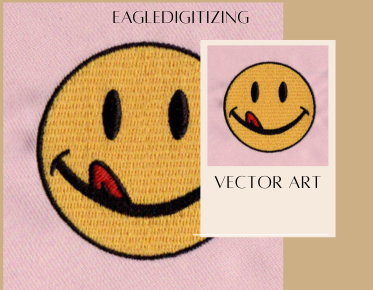
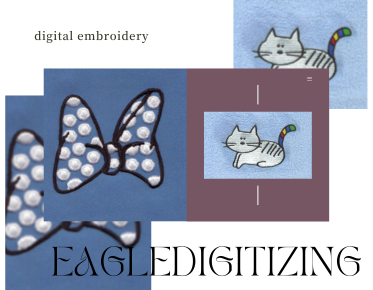
Interestingly, apparel decoration has helped shape the rise of warm, organic, and human logo styles. When a logo has to be stitched onto fabric, overly delicate or overly complex artwork can become difficult to reproduce cleanly. That limitation encourages designers to simplify forms, enlarge essential shapes, and focus on strong silhouettes. The result is often a logo that feels more iconic and more approachable.
Embroidery also rewards certain visual qualities that happen to align with the broader trend. Rounded forms stitch beautifully. Bold curves hold up well. Simple, memorable symbols are easier to translate into thread. Brands that want merchandise, uniforms, or branded caps often discover that a warmer logo is not just visually appealing but also production-friendly. This practical requirement reinforces the aesthetic trend rather than opposing it.
Apparel brands, sportswear companies, cafes, and local businesses are especially aware of this dynamic. They need logos that can move from digital mockup to physical product without losing clarity. A mark designed with organic balance can often deliver exactly that. It feels contemporary on screen and dependable in material form. That dual performance makes it a smart choice for businesses that think across channels.
When a logo is built with embroidery in mind, it often benefits from controlled simplification, clean outlines, and careful color separation. Those same practices can also make the identity more polished overall. A logo intended for thread must be refined; that refinement often produces a more timeless result. This is why so many brands that start with a soft, human direction end up with identities that look better in the long run, not just for one launch season.
Warmth and stitchability go hand in hand
There is a natural connection between logos that feel handmade and logos that are suitable for stitched applications. Both depend on clear structure and meaningful simplification. A design that reads well as a patch or embroidered emblem often reads well as a brand symbol too. If a mark can be translated into fabric without losing its essence, it usually has strong foundational shape language.
This is one reason businesses working on uniforms, merch, and promotional items often pay close attention to their artwork files. A strong visual idea is only part of the equation. The file must also be prepared correctly for the decoration method. That is where services like vector logo for embroidery preparation become especially useful, because they help ensure the design is practical as well as beautiful. A warm logo can stay warm when moved into thread, provided the vector foundation is sound.
The Influence of Human-Centered UX on Logos
Logos do not exist in isolation from the broader user experience. As websites, apps, and digital product interfaces have become more intuitive and human-centered, branding has followed suit. The visual language of digital interfaces now often favors soft shadows, rounded corners, generous spacing, subtle depth, and approachable typography. These same preferences naturally influence logo design.
When users encounter interfaces that feel calm and easy to navigate, they begin to expect brand identities to feel similarly considerate. A sharp, rigid logo can feel out of sync with a friendly app or a well-crafted customer experience. Meanwhile, a soft, organic logo can reinforce the sense that the company is thoughtful and user-aware. This alignment between branding and UX is one reason the trend has spread so quickly.
Human-centered design also values accessibility and clarity. Logos that are overly complex or visually aggressive can interfere with those goals. In contrast, a well-balanced organic mark often maintains legibility while still carrying personality. It is not merely decorative. It is functional communication. That functional quality is part of why the style has become so influential across industries that care about digital presence.
Designers working in this space are increasingly aware that emotional comfort and usability should support one another. A brand does not need to choose between friendliness and professionalism. It can have both. The logo is often the first place where that balance becomes visible.
How Color Supports the Human Feel
Although the structural trend is about shape and style, color plays a major supporting role. Warm and organic logos often use palettes that feel earthy, muted, grounded, or natural. These choices help the shape language feel complete. A logo made of soft curves may feel incomplete if paired with harsh neon tones, while the same shape in a dusty green, warm taupe, or muted terracotta can immediately feel more emotionally coherent.
That said, warmth is not limited to earth tones. It can also appear through softened contrasts, desaturated blues, creamy whites, or even carefully chosen darker hues that avoid visual harshness. The goal is not to be rustic for its own sake. The goal is to create a palette that supports the brand’s personality. A human-feeling logo should look like it belongs to a real-world experience, not a conceptual mood board.
Color is also one of the easiest ways to extend a logo system without losing identity. A brand may use a full-color version in lifestyle settings, a one-color version for stamping or embroidery, and a high-contrast version for digital accessibility. Because the logo is vector-based, these changes remain manageable and consistent. The softness of the aesthetic does not reduce its technical versatility.
In production contexts, color management becomes especially important. Print, screen printing, and digital reproduction all handle color differently, which means the logo must be prepared carefully. That is why the combination of strong visual direction and strong file preparation is so important in modern branding.
Color as a carrier of mood
In warm logo design, color often does the emotional heavy lifting in subtle ways. A gentle palette can reduce perceived distance, encourage comfort, and improve brand approachability. Even when the logo is monochrome, the design may still rely on the memory of warm color associations to complete its emotional tone. This is why brands often build full identity systems around a logo rather than treating the symbol as an isolated mark.
As the same logo moves across packaging, social media, signage, and printed materials, color becomes a thread that ties everything together. The more carefully the palette supports the logo’s organic structure, the more likely the brand will feel cohesive and memorable.
Why Brands Want to Look Less Corporate and More Relatable
There was a time when “corporate” meant polished, authoritative, and successful. While those qualities still matter in some contexts, many audiences now prefer brands that look accessible and relatable. People want to feel that a company understands them. They want personality, honesty, and a sense of shared values. A warm, human logo helps create that feeling at a glance.
This does not mean brands should abandon clarity or seriousness. It means they should understand the visual language of trust has changed. In many categories, trust is no longer communicated by cold precision alone. It is communicated by openness, softness, and a sense of care. A logo that looks more human can make a brand feel easier to approach, easier to remember, and easier to recommend.
Relatability also matters because modern consumers are bombarded with choice. When every product category contains dozens of similar options, the brand with the most emotionally resonant identity often gains attention faster. A human-feeling logo may not be the only reason someone chooses a brand, but it can influence the first impression strongly enough to matter.
This is why small businesses, creative entrepreneurs, wellness providers, and lifestyle brands are often leading the shift. They cannot always compete on scale, but they can compete on feeling. A thoughtful organic logo can project sincerity and craftsmanship in a way that large generic branding often cannot.
How AI and Automation Are Paradoxically Making Human Design More Valuable
As AI tools become more powerful, the value of visibly human design has increased. When content can be generated quickly and brand assets can be produced at scale, audiences become more sensitive to what feels authentic. A logo that looks too automated or overly template-driven can lose impact. Conversely, a logo that feels shaped by a real person can stand out as something worth noticing.
This is one reason the current trend toward warmth and humanity is likely to continue. The more efficient digital production becomes, the more brands will seek emotional differentiation. A logo cannot prove that a business is human, but it can suggest care, judgment, and intentionality. In a fast-moving digital world, those qualities are deeply attractive.
At the same time, AI-assisted workflows can still support the creative process. Designers may use smart tools for image cleanup, rough conversion, or structural exploration, then refine the final result manually. The best outcome is not machine-generated sameness. It is a human-directed design process empowered by technology. That balance is where many modern brands are finding success.
For teams exploring faster turnaround and digital assistance, the broader ecosystem now includes services that help with image preparation, vector cleanup, and conversion workflows. In practice, this means a concept can move from sketch to production file more efficiently while retaining its human character. That matters in industries where timelines are tight and brand consistency is non-negotiable.
Why the human touch still wins
Even the most sophisticated tools cannot fully replace creative judgment. Knowing when to keep a curve imperfect, when to simplify a symbol, or when to leave breathing room around a wordmark are all decisions rooted in human taste. That is why human-centered logo trends are not threatened by technology. They are actually amplified by it, because the more automated the world becomes, the more visible human judgment stands out.
Brands that understand this are more likely to invest in identities that feel alive rather than generic. They know that the goal is not to reject modern tools. The goal is to use them in service of a design that feels real.
Designing for Multiple Touchpoints Without Losing Soul
One of the hardest challenges in modern branding is maintaining emotional consistency across many touchpoints. A logo has to work as a tiny social avatar and as a large-format sign. It may appear on dark backgrounds, light backgrounds, metallic surfaces, woven labels, printed stationery, and digital interfaces. If the logo depends too much on detail or overly rigid composition, it can lose its identity in one or more of those contexts.
Organic, warm, and human logos are often successful because their core shapes are simple enough to remain flexible yet distinct enough to stay memorable. The same symbol can be adapted into a simplified icon, a horizontal lockup, a stacked format, or a single-color version without losing the essence of the brand. This flexibility is part of what makes the style commercially valuable.
It is also why businesses that care about consistency usually pair design with careful file preparation. A logo can only stay consistent if the output files are organized and production-ready. That means clean curves, accurate spacing, proper color handling, and usable formats for different vendors and applications. Without that foundation, even the best concept can become inconsistent in practice.
Many companies therefore look for support that can translate creative ideas into practical deliverables. Eagle Digitizing, for instance, positions its vector work for a range of clients including print shops, t-shirt businesses, embroidery services, screen printing shops, marketing agencies, and other small to midsize operations, while emphasizing clean vector output, high satisfaction, and formats suited for multiple production environments .
Why These Styles Also Feel Timeless
There is a hidden reason organic and warm logos are gaining such traction: they often age better than trend-chasing alternatives. A design that relies on highly specific visual gimmicks can feel dated quickly. A logo built on human balance, natural shape, and emotional clarity tends to remain relevant longer because it is rooted in broader human preferences rather than in a narrow aesthetic moment.
Timelessness does not mean the logo must be conservative. It means the identity should be driven by fundamentals that outlast visual fads. A graceful curve, a well-proportioned mark, and a warm sense of spacing can remain appealing long after a flashy style has faded. That is one reason many brands are moving away from hard-edged, hyper-minimal marks toward designs that feel more tactile and enduring.
These logos also tend to adapt well as brands evolve. A company may expand its product line, shift audience segments, or refresh its marketing strategy, yet keep the same core identity because the logo has enough depth to support growth. Organic design has room to breathe. It can mature with the brand rather than becoming obsolete the moment the market changes.
That flexibility is especially valuable for businesses building long-term recognition. A logo should not only be current. It should remain meaningful as the brand story becomes richer. Human-centered forms tend to support that longevity.
How to Know Whether an Organic Direction Fits a Brand
Not every business needs a soft, human, or organic logo, but many benefit from one more than they initially expect. A good way to evaluate fit is to ask what the brand wants people to feel. If the answer includes words like trust, care, comfort, community, wellness, creativity, openness, quality, or authenticity, an organic direction may be highly effective. If the brand wants to appear inviting rather than intimidating, it should at least explore this style family.
Another useful question is whether the brand relies on repeat interaction or emotional loyalty. Businesses that want long-term customer relationships often gain a lot from a logo that feels personable. A transactional, highly rigid logo can work for certain technical or luxury categories, but many modern companies need something more emotionally adhesive. The logo should help people remember the brand not only as a product, but as a presence.
Of course, the best approach is not to overdo the softness. A warm logo still needs structure. It should not become vague, childish, or overly decorative. The design should remain legible, balanced, and adaptable. The art lies in creating a mark that feels human without becoming fragile. That balance is what separates a thoughtful logo from a trendy one.
When the direction is right, the logo often feels almost inevitable. It looks as though the brand has finally found its natural visual voice. That sense of rightness is what many clients are chasing when they begin exploring organic logo options.
Common signs the style is a good fit
If a brand already uses warm language, welcomes close customer relationships, sells handcrafted or health-oriented products, or emphasizes care and craftsmanship, the organic style often fits well. If the company wants to reduce distance between itself and its audience, the style can be especially effective. And if the logo needs to look good in both digital and physical environments, vector-based organic design offers the right blend of soul and performance.
Practical Production Considerations That Shape the Trend
The current trend is not driven only by taste. It is also shaped by production practicality. Brands need assets that can be enlarged, reduced, recolored, and reused without losing clarity. Vector logos are ideally suited to that need. The soft trend gains traction because the production ecosystem can support it: modern vector software, improved tracing workflows, better conversion methods, and versatile output formats all make human-feeling logos easier to deploy.
As a result, many businesses are paying greater attention to file quality than they once did. They understand that the logo’s look on screen is only one part of the story. The file has to work in the real world. That means being ready for printers, embroidery machines, sign makers, packaging workflows, and digital content systems. A logo with warmth and personality becomes far more valuable when the supporting files are as professional as the design itself.
That is why conversion and cleanup have become important parts of the branding process. A sketch, a low-resolution logo, or an older brand mark may need refinement before it can function properly in modern applications. Designers and production teams often work together to redraw, simplify, and convert assets into reliable vector formats. The result is a mark that keeps its character while becoming much more useful.
For many clients, this is where specialized vector work adds real value. Services that can handle clean transformations, multiple formats, and production-ready outputs help bridge the gap between concept and implementation. That bridge is increasingly important as brands adopt more nuanced, human visual language.
Why the Trend Is Likely to Keep Growing
Organic, warm, and human design styles are not just fashionable because they look pleasant. They are growing because they meet a deeper cultural need. People want brands that feel human in a world that often feels automated. They want identities that signal care in a marketplace that can feel transactional. They want logos that are memorable without being loud, modern without being cold, and simple without being empty.
As long as those needs remain central to branding, the trend will continue to influence vector logo development. Designers will keep exploring softer curves, natural forms, tactile cues, and emotionally expressive typography. Brands will keep seeking marks that feel approachable and trustworthy. Production teams will keep refining files so those ideas can work across every format. The result will be a visual landscape that feels more alive, more personal, and more connected to everyday human experience.
There is also a generational component. Younger audiences often favor authenticity, transparency, and values-led branding. They are quick to recognize when a design feels overly manufactured. Organic logo styles can help brands appear more grounded and more aligned with those expectations. At the same time, older audiences often appreciate the clarity and calmness that warm design brings. That broad appeal gives the trend real staying power.
Ultimately, the rise of human-centered vector logos is less about style and more about relationship. A logo is a promise. It is the visual handshake a brand offers before any conversation begins. When that handshake feels warm, natural, and sincere, it tends to open the door to deeper engagement.
A Future Shaped by Soft Confidence
The future of vector logo trends is unlikely to be dominated by harsh perfection or emotionless minimalism. Instead, it will probably continue moving toward soft confidence: designs that are sure of themselves without being rigid, refined without being sterile, and modern without abandoning warmth. Organic forms, human detail, and emotionally intelligent composition are likely to remain important because they meet the audience where it actually lives, not where design theory once assumed it should be.
That future will reward brands that understand nuance. The most effective identities will be the ones that look beautiful at every size, feel emotionally grounded, and hold up across real production needs. They will work in print, on screens, on apparel, and in motion. They will carry a sense of humanity even when built with advanced digital tools. And they will remind people that a logo can be both technically excellent and deeply personal.
For businesses that want to move in that direction, the best next step is often to look closely at their own brand voice. Does it sound welcoming? Does it feel trustworthy? Does it value craftsmanship, kindness, and clarity? If so, the visual identity should reflect those qualities. A logo that looks organic and warm is not trying to be trendy for its own sake. It is trying to tell the truth about the brand in a visual language people can feel immediately.
And that may be the most important reason of all that these styles are influencing vector logo trends: they remind us that even in a digital, scalable, highly optimized world, people still respond first to what feels human. Where will that preference lead next, and how will the next generation of brands balance softness with precision in ways we have not yet seen?