
Why Can Thin-Line Logos Look Fine in Vector Format but Still Cause Problems in Real Production?
The Vector Format Illusion: Why Thin-Line Logos Shine on Screen
Vector graphics are renowned for their scalability and crispness across digital displays, which often makes them the preferred format for logo design. When you view a thin-line logo in a vector program, every curve and edge renders perfectly, unaltered by the pitfalls of pixelation or resolution loss. This magic is powered by mathematical equations, not fixed squares of color like raster images. As a result, even the most delicate detail—a single pixel-wide line or a hair-thin curve—can look immaculate at any zoom level or screen size. This flawless digital appearance is one of the reasons many designers fall in love with vector art services and entrust their brand’s identity to them.
Yet, experiencing perfection on screen is only half the journey. The translation of digital vectors into the physical world brings a whole new set of complexities, particularly for thin-line logos. These complexities can result in frustrations for both creators and clients. Many realize—often too late—that a logo that looked stunning in Illustrator or CorelDRAW doesn’t always hold up during embroidery, screen printing, or vinyl cutting.
Unmasking the Gaps: Hidden Hazards in Real-World Production
What causes thin-line vector logos to falter during production? The answer lies in the inherent differences between the digital and physical realms. In digital space, lines have no real “width,” just mathematical descriptions. In printing or embroidery, however, output devices have tangible limitations. Ink can bleed, threads have a minimum thickness, and vinyl cutters can only cut lines so fine before material tears. Even advances in vector conversion service can’t bypass these physical realities; they must be accounted for in every design.
Key Challenges for Thin-Line Logos
- Printing Limitations: Whether using offset, digital, or screen printing, every method has a minimum line thickness it can reliably reproduce. Anything finer might either break up or vanish completely.
- Embroidery Difficulties: A needle and thread need “room to work”—thread can’t get thinner than a certain gauge, and overly fine lines may simply get lost or look sloppy.
- Vinyl and Laser Cutting: Thin lines are prone to tearing or not cutting cleanly. The material itself has structural limits, and the equipment tolerances set boundaries on what's reproducible.
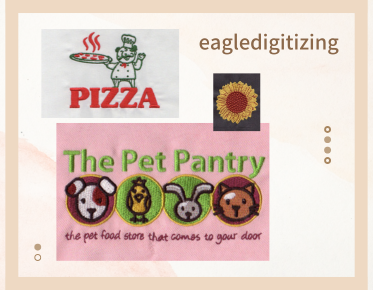
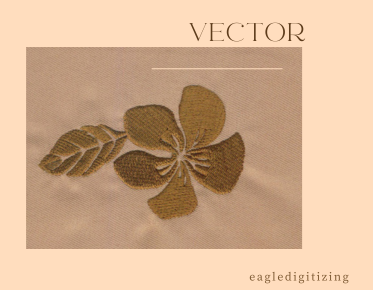
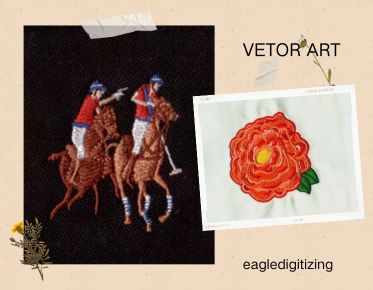
Perhaps you’ve encountered a logo that looks elegant as a PDF or SVG but gets lost or fuzzes out when embroidered on a hat or printed onto a T-shirt. This discrepancy highlights the importance of working with a reliable vector art conversion partner who understands not just the software, but the realities of production media too.
Design Best Practices: Preparing Thin Logo Lines for Success
To bridge the gap between screen and tangible product, experts in vectorizing service recommend carefully evaluating the intended production methods from the earliest design stage. Here are essential tips every designer should remember:
- Set Minimum Line Weights: Research or consult with your production team for the absolute minimum printable, stitchable, or cuttable thickness for your chosen process and material. Anything thinner risks non-reproducibility.
- Check for Scale: Logos may need to work in several sizes. Make alternate versions with reinforced or simplified lines for small-scale applications, such as pens, pins, or embroidery patches.
- Test Before You Launch: Always do test runs—print a proof, embroider a sample, or try cutting with vinyl or laser—to catch problems before final approval.
Production-Friendly Design Philosophy
The divide between conceptual beauty and practical usability can be wide. Delivering true value with vector conversion services means respecting the needs of every reproduction method, from inkjet to embroidery stitch. Remember, simplicity and clarity outlast fleeting trends when it comes to real-world logo application.
Eagle Digitizing: Bridging Artistry and Practicality in Vector Logos
The leap from stunning digital vector to flawless physical result is where expert support shines. Eagle Digitizing is on a mission to make this leap seamless for businesses both small and midsize. By offering specialized conversion solutions at affordable prices, Eagle Digitizing tailors each logo or artwork to fit real-world production requirements. Their services range from raster to vector conversion, tracing, background removal, and color separation, to providing ready-to-use file formats tailored for screen printing, embroidery, laser printing, and digital output.
What sets Eagle Digitizing apart is a commitment to speedy turnaround, technical expertise, and a versatile approach to artwork—from complex, detailed designs to simple, bold brand marks. Their team comprises dedicated digitizers who stay current with industry best practices, ensuring every thin line and shape will print or stitch as intended. Eagle Digitizing’s solutions have satisfied thousands of customers, from print shops and apparel businesses to marketing agencies and design studios, thanks to high precision, quick delivery, and emphasis on customer vision at every step.
Common Scenarios: When Thin Lines Disappear or Distort
- Business Cards and Small Objects: On a computer screen, tiny vector lines are razor-sharp. When rendered at a small scale, like on a business card, these lines often get swallowed by the print’s ink spread or misregistered colors.
- Embroidered Uniforms or Caps: Fine features look distinguished in vector format, but real fabric and thread have limits. Single-stitch widths may cause details to drop out entirely or run together.
- Signage and Large Formats: While large-scale prints or signs can theoretically support thinner lines, practical issues such as wind, weather, or long-distance visibility make bold marks far more effective.
Industry Trends and the Evolution of Vector Logo Production
Technology is always advancing—printers get finer, threads thinner, and cutters more precise. However, the laws of physics and material science continue to influence what’s possible. Vector design will always enjoy a privileged position for its flexibility, but successful logos have to “travel” from digital concept to garment, sticker, or sign without falling apart.
Emerging software solutions promise smarter translation between vector art and production files, but designers and brands must keep collaboration alive. Partnering closely with reliable service providers and focusing on production realities are the keys for business owners, marketers, and creatives looking to future-proof their brand visuals. The best advice? Never treat the on-screen version as the final word—insist on comprehensive, real-world proofs and lean into the expertise of dedicated vectorization partners.
Looking Ahead: The Path to Robust, Reproducible Logos
If you’re in the process of refreshing your brand or crafting a new logo, think beyond digital perfection and ask yourself: How will this design function in every physical context my brand will appear? The most successful brands future-proof their marks by working with experienced professionals in vectorization services who anticipate and solve real-world production challenges. As industries change and customization becomes even more accessible, having a production-friendly logo is not just about aesthetics—it’s about lasting impact, consistency, and recognition wherever your brand goes.
Will thin lines ever be as robust in the physical world as they are on a vector canvas? Advances in technology may someday reduce the gap. For now, awareness, testing, and expert support remain the pillars of bridging digital artistry and material reality in vector logo production.