
How Vector Artwork Supports Better Printing, Embroidery, and Packaging
In the world of visual communication and branding, the importance of clear, accurate, and scalable artwork cannot be overstated. Whether designing for t-shirts, creating intricate embroidery, or planning eye-catching packaging, the format of your artwork fundamentally shapes the quality of the final product. As businesses and creators strive for perfection in their designs, vector art services have emerged as a transformative solution, bridging creativity and production through precision and flexibility.
Understanding Vector Artwork: Beyond Pixels
Unlike raster images that rely on a fixed grid of colored pixels, vector artwork is constructed using mathematical formulas that define shapes, lines, and colors. This allows vector images to be scaled infinitely without degrading in quality—a necessity for producing professional-grade prints, embroidery, and packaging. For industries where sharp logos, detailed illustrations, and consistent color reproduction matter most, the shift to vector artwork has redefined standards and possibilities.
Advantages of Vector Artwork for Printing
High-end printing processes such as silkscreen, offset, and digital rely heavily on the source image. With vector files, there’s no worry over pixelation or blurring when printing large banners, posters, or apparel. Each curve and contour remains as crisp at billboard scale as it does on a business card. Color management is another critical benefit—vector images often support color separations, ensuring that printed hues are vibrant and exactly as envisioned in the original design file. This makes vector conversion service a cornerstone for businesses demanding visual perfection and consistency throughout diverse products.
Empowering Embroidery with Vector-to-Stitch Precision
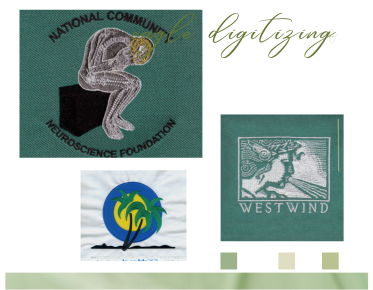
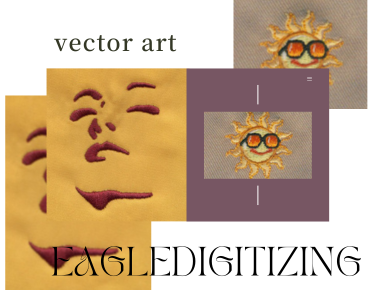
Embroidery is an art that demands accuracy, clarity, and adaptation. The process of transforming digital artwork into embroidery patterns—digitizing—relies fundamentally upon clean, scalable images. Vector artwork provides digitizers with clean boundary lines and clear separation of elements, guaranteeing that every thread stitch follows the intended path and no detail is lost. Complex logos, monograms, or artistic graphics are easier to replicate in thread when originating from a vector source, dramatically improving both production speed and quality for embroidery shops. Online platforms specializing in vectorizing artwork have made this transition smoother, especially for small and medium business owners.
Streamlining Packaging Design and Production
Packaging design plays both a functional and promotional role in a product’s journey. Whether producing custom labels for bottles, boxes for consumer goods, or retail-ready display stands, sharp and adaptable visuals are mandatory. Vector artwork’s scalability enables packaging designers to create dielines, templates, and brand marks that retain their integrity at every size. When modifications are needed—such as resizing for different packaging runs or adapting designs for seasonal promotions—vector files allow for easy editing without the risk of distortion or steady loss of detail.
Eagle Digitizing: Elevating Artwork Conversion Services
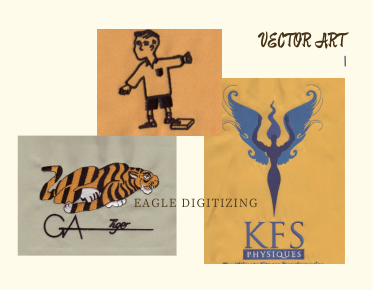
One company that has set a higher benchmark in the industry is Eagle Digitizing. With a dedicated team skilled in raster to vector conversion, vector tracing, background removal, drop shadow, color correction, and image retouching, Eagle Digitizing ensures artwork that is production-ready and tailored for multiple applications. Their ability to process orders efficiently—with a rapid turnaround time and flexible, transparent pricing—caters to print shops, embroidery services, graphic designers, and promotional agencies alike. Eagle Digitizing also supports a wide range of file formats including DXF, AI, PDF, EPS, and CDR, accommodating every production setup with ease. Uniquely, they offer quick quotations, proofing services, and guarantee high customer satisfaction, consistently earning praise for precision, professionalism, and vibrant results. Their specialties cover logo vectorization, color separation, image masking, and the creation of graphic mockups on final products, making them a trusted partner for businesses focusing on superior branding and identity.
The Role of Vector Artwork in Handling Complex Designs
Complex designs, layered illustrations, or detailed logos often present challenges in traditional graphic workflows. Raster-based formats can become unwieldy when editing intricate elements or introducing color variations. The use of vector artwork conversion offers a dynamic solution. Designers can individually adjust, move, or recolor isolated parts without disturbing the entire composition, streamlining the approval process and reducing costly mistakes in print or embroidery production.
Speed, Cost Savings, and Flexible Customization
Businesses are continually seeking ways to reduce turnaround times and minimize production costs. Vector artwork streamlines the transfer of designs between creators, clients, and manufacturers. Edits can be implemented quickly and without risk to design fidelity, cutting back on revision rounds. The ability to tailor designs for print, embroidery, and packaging from a single vector source file eliminates the need for multiple redesigns or reproductions, fostering efficiency and significant cost savings. This is especially advantageous for branding campaigns, event merchandising, or any scenario demanding rapid design adaptation and deployment.
Why Vector Artwork is Best for Branding Consistency
For brands, consistency across every touchpoint is paramount. Using vector artwork ensures that logos, taglines, and product graphics look identical on promotional merchandise, apparel, signage, and packaging—regardless of size or medium. Vector files maintain brand color codes, stroke widths, and proportions without compromise. This professionalism elevates the perception of the brand and supports recognition in crowded marketplaces.
How to Choose the Right Vector Artwork Partner
With a multitude of providers offering vector art conversion solutions online, it’s critical to find a partner whose expertise matches your needs. Look for companies showcasing proven accuracy, swift turnarounds, transparent pricing, and strong support across multiple output formats. Reading customer testimonials and reviewing before-and-after project samples can provide vital clues to their reliability and craftsmanship.
Future Trends: Automation, AI, and Seamless Integration
The future of vector artwork lies in enhanced automation, AI-assisted vectorization, and deeper integration with production hardware. Machine learning algorithms are already improving automatic edge detection and color separation, making the transformation from hand-drawn sketch or raster image to flawless vector faster and more accessible. As businesses increasingly adopt cloud workflows and digital platforms, seamless sharing and real-time feedback on vector assets are becoming the norm, driving innovation in both design and manufacturing.
Practical Advice for Maximizing Vector Artwork Impact
For those looking to maximize their printing, embroidery, or packaging outcomes, investing in vector artwork should be a top priority. Start by converting your most-used branding graphics into versatile vector files and ensure designers, printers, and suppliers are equipped to handle these formats. Take advantage of specialized online services—like those offered by Eagle Digitizing—that combine speed, reliability, and personalized support. Whether you’re expanding your merchandise, refreshing your brand, or launching new products, vector artwork is the creative backbone that will keep your identity sharp, memorable, and perfectly reproduced every time.
Where We Go Next: The Ongoing Evolution of Vector Services
As new technologies emerge and consumer expectations for product quality continue to rise, it is clear that vector artwork will remain essential in the visual production chain. From faster cloud workflows to AI-enhanced vectorization and bespoke creative services, the journey towards flawless design-to-production results is always advancing. How will you leverage the power of vector artwork to ensure your creative vision is delivered, not just imagined?