
Why Are 2026 Vector Design Trends Moving Toward More Handmade and Human-Centered Visual Styles?
Rediscovering Authenticity in the Digital Age
As we approach 2026, the field of vector design is experiencing a remarkable transformation. The clinical sharpness and hyper-perfection that characterized much of the 2010s’ and early 2020s’ digital design landscape are gradually being replaced by aesthetics that are warmer, more tactile, and unmistakably human. This shift toward handmade and human-centered visual styles is not simply a fleeting trend but rather a compelling response to deep societal and technological changes. Whether you’re a creative professional, a marketer, or an entrepreneur engaged with vector art services, understanding these trends and their driving forces is vital for connecting with today’s audiences.
The Quest for Imperfection and Personality
After years dominated by pristine digital finishes and programmatically generated graphics, many designers and brands are consciously reintroducing imperfections into their work. Quirky lines, subtle wobbles, variable brushstrokes, and idiosyncratic shapes have become markers of authenticity. This movement mirrors a growing societal desire for connection and genuineness—a reaction to social media’s filtered realities and the overwhelming presence of AI-generated content.
Hand-drawn elements, for instance, make it possible to infuse designs with a unique personality. From playful sketches to expressive lettering, these techniques naturally stand out in a sea of pixel-perfect graphics. The tactile imperfection of hand drawn vectorization service allows brands and creators to communicate their individuality, demonstrating a willingness to embrace flaws as a part of their narrative.
Human-Centered Design: More Than Just a Buzzword
Human-centered design principles focus on empathy, inclusivity, and emotional resonance. In 2026, vector graphics increasingly prioritize the viewer’s experience and emotional engagement over technical novelness. Artists and agencies are utilizing visual cues—human faces, organic forms, and relatable stories—to create designs that foster trust and a sense of approachability.
This evolution is not just visible in illustrated brand mascots or editorial graphics but also permeates marketing collateral, packaging, and app interfaces. Color palettes now lean toward warm, natural tones, and textures often mimic paper, canvas, or ink. The softening of edges and meticulous layering of vector paths makes static images feel alive and familiar, blurring the line between digital and handcrafted art.
Technological Advances Empowering the Handmade Revolution
Ironically, the push for more “handmade” aesthetics is largely enabled by advancements in digital tools. Cutting-edge vector software and digitizing services have made it easier than ever to translate analog sketches into scalable, editable vector artwork. Professional vectorizing services can now authentically replicate the character of brushstrokes, pencil marks, and watercolor washes, while preserving the crisp scalability and flexibility that define vector files.
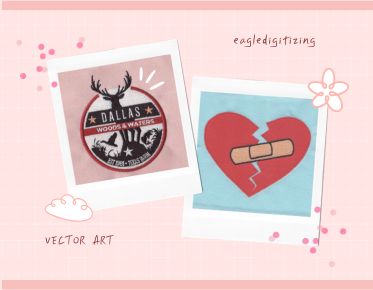
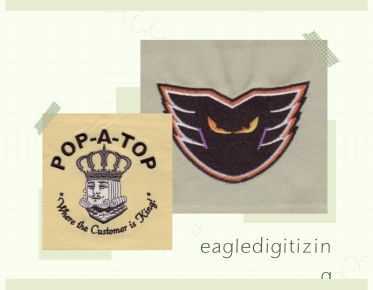
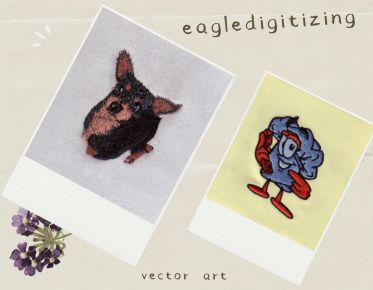
For businesses seeking to maintain a recognizable and consistent brand identity across varied media—online ads, print banners, packaging, and apparel—the ability to merge handmade charm with digital precision is invaluable. Service providers like Eagle Digitizing have responded by expanding their offerings to include not just traditional logo vectorization, but also custom rendering of detailed illustrations, backgrounds, and graphic elements tailored to distinct brand voices. With their quick turnaround times, flexible pricing, and skilled team, they offer vector art conversion that effectively bridges the gap between analog inspiration and digital execution.
The Role of Empathy and Storytelling in 2026 Vector Trends
Consumers are gravitating towards brands that feel sincere and relatable. In response, designers are embedding narrative-driven visuals and empathetic motifs within their work. Scenes that depict simple human interactions, abstract expressions of emotion, and culturally resonant imagery invite viewers to see themselves in the design. This approach enhances user engagement, increases dwell time on web pages, and fosters a stronger brand loyalty.
Advanced vector conversion service providers play a crucial role in sustaining these trends. By expertly translating nuanced sketches and textures into production-ready vector files, they empower creatives to focus on visual storytelling without being limited by output format constraints.
Blending Tradition and Innovation: The New Vector Toolkit
The evolving definition of vector art now includes techniques that were once regarded as exclusive to raster artwork: watercolor overlays, pencil shading, ink splatters, and collage. Designers combine analog processes such as hand inking and painting with digital tools, continually pushing the boundaries of what vector art conversion can achieve.
Agencies and production studios are adopting hybrid workflows, often starting projects with physical media and then digitizing them for further development and refinement. As a result, the final product retains the soulfulness of manual creation, while gaining all the functional advantages of vector format: infinite scalability, seamless file sharing, and sharp reproduction on everything from business cards to massive billboards.
Eagle Digitizing: Setting a New Standard for Vector Art Services
Amidst these sweeping changes, Eagle Digitizing has established itself as a leader in delivering reliable, high-quality vector solutions for a diverse clientele. Their services encompass every stage of the vector workflow—from raster to vector conversion and background removal to advanced color separations, retouching, and product mock-ups. Catering to everyone from screen printing shops and marketing agencies to small business owners and creatives, they deliver rapid turnaround times and guarantee satisfaction on every project.
Their team’s ability to handle complex illustrations, rescue and enhance old or unclear logos, and adapt artwork for printing on a multitude of substrates has been praised by both new and seasoned customers. The hallmark of Eagle Digitizing's philosophy is a commitment to understanding and prioritizing each client’s creative vision—their approach encourages collaboration, flexibility, and a discerning understanding of current visual tastes.
The Democratization of Handcrafted Visuals
Accessible online vectorization services are lowering barriers for artists and entrepreneurs worldwide. Even those without formal design training can now create and distribute high-quality, hand-inspired graphics for their own marketing campaigns, product packaging, or apparel lines. This democratization means the “handmade” vector look is no longer reserved for luxury brands or large agencies; rather, it’s becoming the norm in diverse fields such as local retail, independent publishing, and digital marketing.
As consumers grow increasingly discerning and technology continues to empower individual creativity, the distinction between small-scale DIY creators and professional agencies blurs. The result is a richer, more varied visual ecosystem where human touch and imaginative storytelling reign supreme.
Looking Forward: The Enduring Value of Human Touch
The movement toward handmade and human-centered vector visuals signals a long-term cultural reset in the creative industries. As automation and synthetic content proliferate, brands and creators who prioritize authentic, expressive, and relatable design will lead the charge in audience engagement. Embracing imperfection signals vulnerability, humanity, and warmth—qualities in high demand in an age increasingly defined by artificial intelligence.
With the convergence of skilled vectorizing services, intuitive technology, and a passionate desire for authenticity, the vector art world is set to become even more vibrant and human than ever before. As we move deeper into 2026 and beyond, one essential question remains—how will you infuse your next vector project with the spirit of creativity, empathy, and individuality that today’s audiences crave?