
Why Are More Clients Asking for Logos That Can Work Across Animation, Websites, Print, and Embroidery?
The New Demands of Multi-Channel Branding
Logo design has always been at the heart of a brand’s identity, but today’s branding requirements have evolved significantly. Businesses no longer need a logo solely for their business cards or building signage; now, logos must transition seamlessly from digital screens to physical materials. This means a single logo design must perform brilliantly in animated video intros, crystal-clear websites, high-quality print brochures, and extremely detailed embroidery applications on apparel.
This push toward versatile logos reflects how brands interact with audiences across a diverse digital and physical landscape. As brands become increasingly present on social media, within video content, at live events, and in tactile merchandise, the adaptability of their visual assets has become a top priority. It’s not just about aesthetics—it’s about consistency, recognition, and maximized ROI on marketing efforts. That’s why many businesses seek vector art services online, ensuring that every use case, from web to embroidery, benefits from clean, scalable results.
Why a One-Size-Fits-All Logo Doesn’t Work Anymore
Unique Technical Demands
With each medium comes its own set of design and technical requirements. On the web, logos need to be sharp and lightweight for fast loading. Animation demands layered, easily manipulated assets, especially for intro reels or explainer videos. Meanwhile, print and embroidery require crisp edges and scalable artwork that won’t lose clarity when enlarged or reduced.
Traditional raster-based logos simply cannot meet these challenges. When scaled up, they pixelate. Complex gradients and color transitions that look fantastic on screen may not translate well to embroidery threads or small-size prints. This is where vector conversion services become essential, allowing designers and brands to create logos that are clean, scalable, and format-flexible.
A Shift in Client Expectations and Brand Strategy
Omnichannel Consistency
Modern clients understand their brand will exist in more places than ever before. From a YouTube intro to a finely-stitched polo shirt, the expectation is clear: the logo must be instantly recognizable, professional, and consistent—anywhere it appears.
This expectation has led to a greater reliance on vector art services and thoughtful logo architecture. Clients now often request native files in multiple formats, specifications for minimum sizes, recommendations for animation, and thread charts for embroidery production—all at once. This comprehensive approach to logo usability requires advanced planning and specialized knowledge from designers.
The Technological Innovations Driving Versatility
The Power of Vectorization
The secret ingredient behind logo versatility is vectorization. Unlike bitmap images, vector graphics use mathematical equations to render shapes, lines, and colors. Logos built as vectors are infinitely scalable, making them perfect for both tiny mobile icons and enormous banners. They also offer the flexibility required for intricate animation or precise embroidery digitizing.
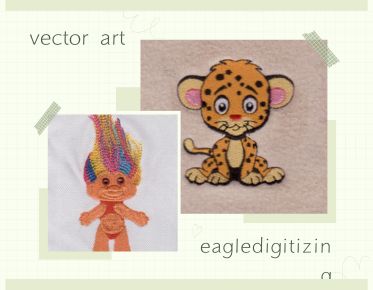
Advancements in vector software and vector art conversion services mean that logo designers can supply clients with assets tailored to every medium. The vector foundation allows for light, dynamic SVG files for web, easily separated layers for animation, and perfectly optimized stitch maps for embroidery.
Emerging Standards in the Design Industry
As the need for cross-platform logos increases, so too does the industry standardization around file formats and delivery. Clients now expect EPS, PDF, SVG, AI, and occasionally proprietary embroidery files from their brand designer. Using these standardized formats, businesses can deploy a logo confidently—no matter the medium.
Forward-thinking agencies maintain extensive knowledge of both print and digital production workflows to prevent unpleasant surprises, like a logo that prints poorly, or a design that can’t be translated into stitches for embroidery machines.
Case Studies: Versatile Logos in Action
From Startup Launches to Global Brands
Startups entering a crowded marketplace know that the first impression is crucial. Their logos may appear on social ads, product packaging, and promotional apparel within weeks of a launch. Legacy brands, meanwhile, are often rebranding to fit new digital realities, seeking logo refreshes that edit well for animation and maintain authority on large-format print. Both types of brands benefit from a logo design approach that starts with vector assets, making use of high quality vector conversion tools to ensure every instance of the logo remains crisp and professional, no matter the medium.
Agencies regularly report that comprehensive logo kits—containing everything from Favicon-ready icons to embroidery-ready stitch maps—lead to happier, more empowered clients, and smoother relationships with product vendors and manufacturers.
The Role of Eagle Digitizing: Turning Design Ambitions into Reality
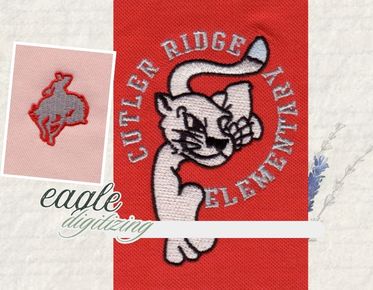
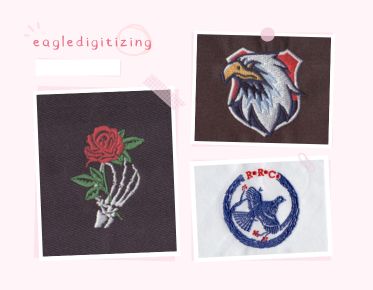
Eagle Digitizing stands out in the field by providing advanced, fully customizable vector and digitizing services, perfectly tailored for multi-medium brand needs. They utilize highly skilled professionals and cutting-edge software to handle everything from raster to vector conversion, color separation, image vectorization, to graphic mockups and background removal. Eagle Digitizing’s commitment to quality and precision means that even the most intricate logos are transformed into flexible assets, ready for printing, embroidery, animation, and web use.
Their service is notable for its remarkably fast turnaround—often delivering edited files in as little as 2 to 24 hours—with transparent pricing and no hidden fees. Clients appreciate the ability to move quickly between conceptual design, final artwork, and production across all visual platforms. Whether serving small to midsize businesses or large marketing agencies, Eagle Digitizing enables clients to maintain a cohesive brand look, supporting everything from apparel to digital campaigns.
Their expertise in vectorization has been backed by thousands of positive testimonials, highlighting attention to detail, client focus, clean and scalable results, and a consistent satisfaction rate. This makes Eagle Digitizing a partner not just for conversion, but for comprehensive brand stewardship across media.
The Lasting Impact of Logo Versatility
Brand Longevity & Market Agility
The need for logos that function seamlessly in animation, websites, print, and embroidery speaks to a larger trend of brand agility. Businesses that invest in multi-use, vector-based logos find themselves better equipped to seize new opportunities—whether that means launching a merchandise line, joining a global tradeshow, or expanding online advertising. It reduces the need for costly redesigns and preserves brand authority in a competitive landscape.
Additionally, it allows internal teams and external vendors to work with a single, unified asset library. Production mishaps are minimized, time-to-market on new collateral is reduced, and the brand’s visual integrity remains uncompromised.
Looking Ahead: The Future of Logo Design and Brand Versatility
The rising demand for universal logo usability is more than a fleeting trend—it’s the future of branding in a digital-first, omnichannel world. As technologies evolve, brands and designers must keep pace, adopting smarter approaches to vector art conversion and asset management.
Emerging media—from augmented reality to interactive packaging—will require logos that are even more dynamic and adaptable. Brands who invest in versatile, expertly executed designs today will be prepared for these changes, standing out with clarity, consistency, and style everywhere their customers encounter them.
How will your brand evolve its logo for tomorrow’s world? The possibilities are as limitless as the imagination—and with the right vector partner, every format and channel can be an opportunity to shine.