
Common Problems Hidden in Low-Quality Vector Files
Introduction to Vector Files
Vector files are integral to the worlds of graphic design and digital artistry. Unlike raster images, which are made up of pixels, vector graphics are crafted from paths—defined by a start and end point, along with other points, curves, and angles—which allows them to be resized without losing quality. This scalability makes vector files a preferred choice for logos, prints, and complex illustrations. However, low-quality vector files can house many hidden problems that severely impact the final output.
The Risk of Poor Conversion
One of the most frequent issues arises during the vector conversion process. Poorly executed conversions from raster images result in vector files that lack precision, with jagged edges and inaccurate shapes. This is particularly problematic for intricate designs requiring detailed accuracy. For instance, outlines that ought to be smooth may appear uneven, and color gradients may not transition as seamlessly as intended.
Inconsistencies in Color Management
Color management is crucial in vector graphics, yet another area where low-quality vector files struggle. Incorrect color mapping can lead to designs that appear differently on various screens or when printed. Reliable vector conversion services should maintain color integrity to ensure the vector design faithfully represents the colors used in the original artwork.
Why Choose Professional Vector Services?
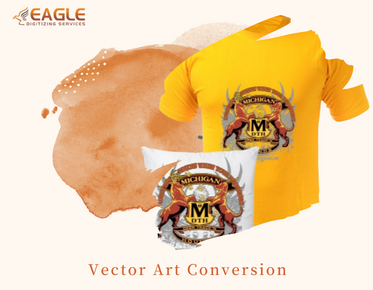
To avoid these pitfalls, utilizing professional services like Eagle Digitizing can make a world of difference. They specialize in converting raster images to vectors while preserving color accuracy and detailing. Their expertise spans raster to vector conversion, vector tracing, and much more, ensuring that the final vector file is of the highest quality.
Inadequate Detailing
Another telltale sign of low-quality vector files is inadequate detailing. When detailed elements such as textures and shadows are not translated correctly into vector formats, it can result in flat and unappealing designs. Solutions involve leveraging advanced vector tracing techniques that can capture these nuances, as practiced by trusted vector art services.
Impact on Printing and Branding
Low-quality vector files don’t just affect digital outputs but also physical printings. If a vector file is not optimized or detailed enough, it may lead to blurred prints, misaligned texts, or incorrect colors in marketing materials. Given that logos and branding materials are often used at various sizes, the repercussions of these issues can be significant, affecting brand perception and recognition.
File Compatibility Issues
Vector files must be saved in appropriate formats for them to be widely usable across different software and devices. Issues arise when files aren’t compatible, which can happen with incorrect format selections or proprietary file extensions. Professionals understand the importance of conversion into common formats like AI, SVG, and EPS to ensure broad compatibility and user flexibility.
The Future of Vector Graphics
The demand for high-quality vector graphics continues to grow as businesses and creators push for cleaner, scalable designs. Services like Eagle Digitizing are at the forefront of this industry, providing fast and reliable vectorization that addresses all these common problems. As technology advances, the need for precise, cross-platform-compatible vector files will only increase.
For creatives and businesses needing detailed and accurate vector files, investing in professional vector conversion services is paramount. This not only ensures the best results today but also positions your design assets for the technological advances of tomorrow.
As you navigate the intricacies of vector graphics, what strategies do you find most effective in maintaining quality during vector conversion?