
How digitizing turns artwork into machine instructions?
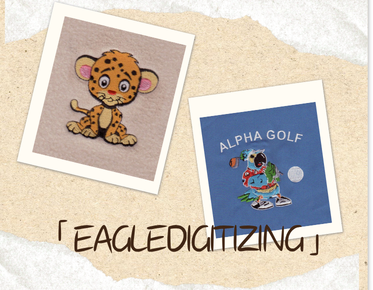
The process of turning artwork into machine instructions, particularly for embroidery, is a fascinating blend of art and technology. This transformation is known as embroidery digitizing, a critical step in the production of embroidered goods. It involves converting a piece of artwork into a digital file that an embroidery machine can read and execute. This digital file dictates the path of the needle, the sequence of stitches, and the colors to be used, effectively turning a simple design into a detailed embroidered piece.
Understanding the Basics of Digitizing
At its core, digitizing is about translating visual art into a language that machines understand. This is achieved through specialized software that allows a digitizer to map out the design using stitches. The software provides tools to define stitch types, directions, and densities, which are crucial for achieving the desired texture and appearance in the final embroidered product. Companies like Eagle Digitizing excel in this field, offering services that ensure designs are accurately converted into machine-readable formats.
The Steps Involved in Digitizing Artwork
1. Preparing the Artwork
The first step in the digitizing process is preparing the artwork. This involves ensuring that the design is clear and of high quality. The better the quality of the original artwork, the more precise the digitized version will be. This step may involve cleaning up the image, adjusting colors, and ensuring that all elements of the design are distinct and ready for conversion.
2. Choosing the Right Software
The choice of software is crucial in the digitizing process. There are various software options available, each offering different features and capabilities. A good digitizing software will allow the user to manipulate the design with precision, offering tools for stitch selection, pathing, and color management. This software essentially acts as the bridge between the artistic vision and the mechanical execution.
3. Mapping the Design
Once the artwork is prepared and the software is selected, the next step is mapping the design. This involves plotting the path that the embroidery machine will follow. The digitizer must decide on the types of stitches to use, such as satin, fill, or run stitches, and determine the stitch density and direction. This step is critical as it affects the texture and durability of the final product.
4. Testing and Adjustments
After the initial digitization, the design is tested to ensure it translates well onto fabric. This involves running a test stitch-out to see how the design looks when embroidered. Adjustments are often necessary to refine the design, ensuring that it meets the desired quality standards. Companies like Eagle Digitizing conduct thorough testing to ensure that their digitized designs run smoothly on embroidery machines, minimizing thread breakage and ensuring a high-quality finish.
The Role of Professional Digitizing Services
Professional digitizing services play a vital role in the embroidery industry. They bring expertise and precision to the digitizing process, ensuring that designs are not only visually appealing but also technically sound. Services like those offered by Eagle Digitizing provide clients with high-quality digitized files that are ready for production. These services are particularly beneficial for businesses looking to produce promotional items, corporate gifts, or custom apparel with intricate designs.
Moreover, professional digitizing services often offer additional benefits such as quick turnaround times, format conversions, and customer support. This makes them an invaluable partner for businesses that rely on high-quality embroidery for their products.
Future Trends in Digitizing Technology
As technology continues to evolve, so too does the field of digitizing. Future trends may include advancements in software capabilities, allowing for even more detailed and complex designs. Additionally, the integration of artificial intelligence could further streamline the digitizing process, making it faster and more efficient. As these technologies develop, the potential for creativity and innovation in embroidery will expand, offering exciting possibilities for both artists and businesses alike.
The digitizing process is a testament to how technology can enhance traditional crafts, turning simple artwork into intricate embroidered pieces. As the industry continues to grow, the demand for skilled digitizers and advanced digitizing services will likely increase, paving the way for new developments and opportunities in the world of embroidery.