
What Happens During the Embroidery Digitizing Process?
Embroidery digitizing is a fascinating and intricate process that transforms artwork into a digital format that embroidery machines can read. This process is essential for creating precise and high-quality embroidered designs on various fabrics. Understanding what happens during the embroidery digitizing process can help businesses and individuals appreciate the skill and technology involved in producing embroidered products.
Understanding the Basics of Embroidery Digitizing
The embroidery digitizing process begins with the conversion of artwork into a stitch file. This file contains detailed instructions for the embroidery machine, dictating how the design should be stitched onto the fabric. The process involves several key steps, each requiring specialized software and expertise.
Step 1: Artwork Preparation
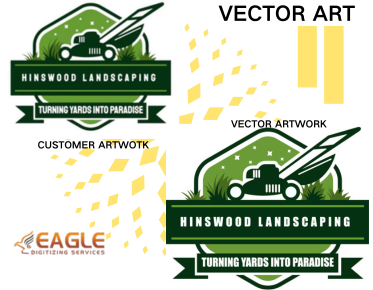
The first step in embroidery digitizing is preparing the artwork. This involves cleaning up the image, ensuring that it is clear and suitable for digitizing. High-quality artwork results in a better final product, so it's crucial to start with a crisp and clear image. This step may also involve making adjustments to the design to ensure it will translate well into stitches.
Step 2: Selecting the Right Software
Once the artwork is ready, the next step is to choose the appropriate digitizing software. There are various software options available, each offering different features and capabilities. The choice of software can depend on the complexity of the design and the specific requirements of the project. Skilled digitizers use this software to trace the artwork with stitches, converting it into a digital format.
Step 3: Digitizing the Design
Digitizing the design is the core of the process. This involves creating a stitch path for the embroidery machine to follow. The digitizer must decide on the type of stitches to use, the direction of the stitches, and the sequence in which they will be applied. This step requires a deep understanding of both the software and the embroidery process to ensure the design will sew out smoothly and accurately.
Step 4: Testing and Adjustments
After the initial digitizing is complete, the design is tested to ensure it meets quality standards. This involves running a test sew-out to see how the design looks when stitched onto fabric. Any issues, such as thread breakage or misalignment, are addressed by making adjustments to the digitized file. This step is crucial for ensuring the final product is of high quality and meets the client's expectations.
The Role of Eagle Digitizing in the Process
Eagle Digitizing is a leader in the embroidery digitizing industry, offering a range of services to meet the needs of businesses and individuals. With over 25 years of experience, Eagle Digitizing provides high-quality digitizing services with a focus on efficiency and precision. Their team of skilled digitizers is adept at using the latest software to create designs that minimize thread breakage and sew out smoothly【4:0†source】.
Quality Assurance and Customer Satisfaction
At Eagle Digitizing, quality assurance is a top priority. Each design is carefully tested and revised until it meets the company's high standards. This commitment to quality ensures that customers receive designs that are not only visually appealing but also durable and reliable. Eagle Digitizing also offers a quick turnaround time, with most designs completed within 24 hours, making them an ideal choice for businesses with tight deadlines【4:0†source】.
Future Trends in Embroidery Digitizing
As technology continues to advance, the embroidery digitizing process is likely to become even more sophisticated. Innovations in software and machine capabilities will allow for more complex and detailed designs, opening up new possibilities for creativity and customization. Businesses that stay ahead of these trends will be well-positioned to offer unique and high-quality embroidered products to their customers.
In conclusion, the embroidery digitizing process is a critical component of modern embroidery production. By understanding the steps involved and the expertise required, businesses can better appreciate the value of professional digitizing services. As the industry evolves, staying informed about new developments will be key to maintaining a competitive edge in the market.