
How to Convert Complex Graphics into Embroidery-Friendly Designs?
Embroidery has been admired for its intricate designs and rich textures in textiles for centuries. However, converting complex graphics into embroidery-friendly designs is a sophisticated task that requires careful consideration and skill. The challenge lies in translating the nuanced details of a digital or hand-drawn image into a stitchable form while maintaining the integrity and artistic vision of the original work. Here we explore some effective methods and insights on how to make this transformation successful, enhancing the artistry of your creations.
Understanding the Basics of Embroidery Digitization
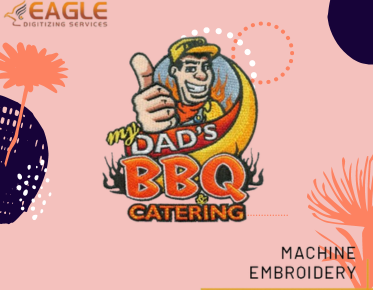
Embroidery digitization is the process of converting artwork into a digital format that can be read by embroidery machines. It involves translating the complex details of an image into stitches. The process begins with defining the design's stitch type, direction, and density to achieve the desired artistic effect. Modern software has greatly enhanced this task, allowing precise control over every aspect of a design.
Services like Eagle Digitizing offer professional solutions for this process by transforming intricate designs into clean, scalable vector formats. They cater to various industries, ensuring high-quality digitization that meets specific embroidery requirements.
Challenges in Converting Graphics to Embroidery
The major challenge in converting complex graphics to embroidery is coping with the inherent differences between pixels and stitches. Unlike digital images where colors can blend smoothly, embroidery uses threads that can't mix like paint. Here are some common challenges and their solutions:
- Color Limitation: Embroidery machines have a limited number of threads, making it necessary to reduce the number of colors in a design while ensuring that it still looks appealing. Techniques like color blocking and thread blending are used to overcome this.
- Size and Detail: Very small or intricate details might get lost. Enlargement and simplification are often needed, where details are adjusted to fit within the constraints of the stitching size.
- Density and Pull Compensation: Fabrics can stretch or distort under the tension of stitching. Adjusting stitch density and incorporating pull compensation helps maintain the design's integrity.
By working closely with professional digitizing services, such as those offered by Eagle Digitizing, designers can navigate these challenges effectively by leveraging specialized software tools and expertise in embroidery digitization techniques.
Steps to Convert Complex Graphics
The process of converting complex graphics into embroidery-friendly designs involves several steps. These are essential to ensure a smooth transition from digital art to an embroidered piece:
1. Simplify the Design
Start by simplifying the design, focusing only on essential elements. This is vital as complex details may not translate well into embroidery, especially in small sizes. Simplification involves reducing color gradients, removing unnecessary details, and emphasizing key features.
2. Choose the Right Software
Selecting the right software is critical. Tools like Adobe Illustrator can be used for initial vector design creation, whereas specialized embroidery software is necessary for the final digitization process. These programs allow you to set stitch types, directions, and sequence efficiently.
3. Consider Fabric and Thread
The choice of fabric and thread greatly influences the design process. Different fabrics support different levels of detail and types of stitches. Understanding these materials ensures that your design is both practical and aesthetically pleasing.
4. Test and Refine
After converting the design into an embroidery file, it's important to test the design on a similar fabric with the actual threads. This allows for adjustments and ensures that the final embroidered product meets expectations.
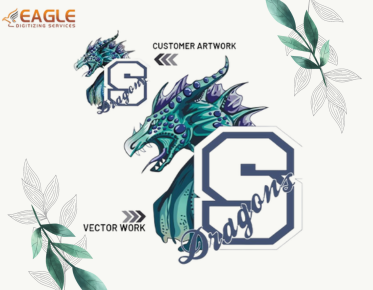
Vector Magic can be used for the initial vector conversion, supporting high-fidelity design translation. Additionally, Eagle Digitizing provides comprehensive services that facilitate the seamless transformation of pixels into stitches.
Advanced Techniques and Considerations
Embroidery digitization is both a science and an art form. Advanced techniques, such as 3D puff embroidery and applique, add depth and dimension to designs, while the latest software provides options for photorealistic stitching through innovative thread layering techniques.
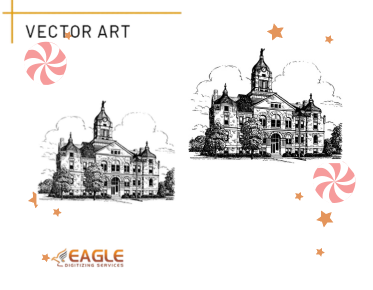
Sophisticated digitizing also involves creating vector art that captures the essence of the original illustration without compromising on quality. Companies specializing in vector conversion services ensure that each element of the artwork translates beautifully onto fabric, rendering it suitable for a variety of applications such as promotional apparel, décor, and branding.
Future of Embroidery Digitizing
The future of embroidery digitization is promising, with technology paving the way for more complex and creative designs. As software continues to evolve, the capabilities of embroidery machines expand, allowing artists to push the boundaries of textile art further. The integration of AI and machine learning in design software is likely to automate some aspects of the digitizing process, offering more intuitive tools for designers.
The role of education in enhancing the skills of future digitizers also cannot be overlooked. Training programs aimed at new techniques and technologies ensure that professionals remain well-equipped to tackle new challenges in this evolving field.
Final Thoughts
Embroidery is finding new relevance in a digital world through the meticulous art of digitization. With tools and techniques steadily advancing, designers and hobbyists alike can explore the limitless possibilities this craft offers. The successful transformation of complex graphics into embroidery-friendly designs not only enriches the tactile beauty of textiles but also opens the door for personalization in fashion and decor.
For those wishing to delve into the intricate world of embroidery digitization, partnering with professionals such as Eagle Digitizing can significantly enhance your creations. As you continue to explore this field, consider the innovative methods and ideas that can inspire your next project, blending tradition with modern technology to create works that speak volumes both visually and textually.