
How to achieve cross-device compatibility for digital files in the embroidery production process?
In the ever-evolving world of embroidery production, achieving cross-device compatibility for digital files is crucial. This ensures that designs can be seamlessly transferred and executed across various embroidery machines and software platforms. The process involves several key considerations, from understanding file formats to leveraging professional digitizing services.
Understanding Embroidery File Formats
Embroidery file formats are the backbone of digital embroidery production. Each embroidery machine brand often requires specific file formats. For instance, the Tajima machines use the DST format, while Brother machines might require PES files. Understanding these formats is essential for ensuring that your designs are compatible with the machines you intend to use.
Common File Formats
Some of the most common embroidery file formats include DST, PES, EXP, and JEF. Each format has its unique characteristics and compatibility requirements. It's important to know which format your machine supports to avoid any issues during the production process.
Leveraging Professional Digitizing Services
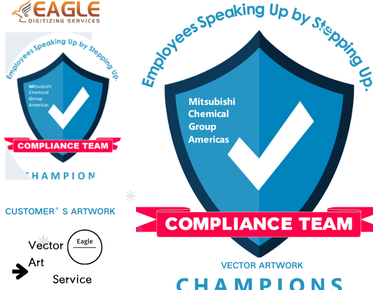
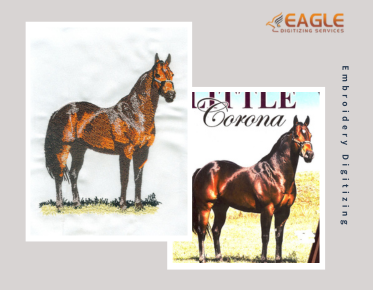
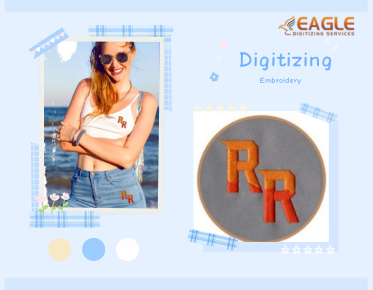
One effective way to ensure cross-device compatibility is by utilizing professional embroidery digitizing services. Companies like Eagle Digitizing specialize in converting artwork into stitch files that can be read by various embroidery machines. Their expertise in handling different file formats ensures that your designs are not only compatible but also optimized for the best quality output.
Benefits of Professional Services
Professional digitizing services offer several benefits, including quick turnaround times, high-quality digitization, and the ability to handle complex designs. These services often provide multiple file formats, ensuring that your designs can be used across different machines without any compatibility issues.
Ensuring Quality and Consistency
Quality and consistency are paramount in embroidery production. Using professional services like Eagle Digitizing can help maintain these standards. Their skilled digitizers ensure that each design is meticulously crafted to minimize thread breakage and ensure smooth sew-outs. This attention to detail is crucial for maintaining the integrity of your designs across different devices.
Testing and Revisions
Before finalizing any design, it's important to test it on the intended machines. This step helps identify any potential issues and allows for necessary revisions. Professional services often include testing and revisions as part of their offerings, ensuring that the final product meets your expectations.
Adapting to Technological Advances
The embroidery industry is continuously evolving with new technologies and software updates. Staying informed about these changes is essential for maintaining cross-device compatibility. Regularly updating your software and machines can prevent compatibility issues and enhance the overall production process.
Future Trends in Embroidery Digitization
As technology advances, we can expect to see more integrated solutions for embroidery digitization. Cloud-based platforms and AI-driven software are likely to play a significant role in enhancing cross-device compatibility. These innovations will make it easier to manage and execute designs across multiple devices, streamlining the production process.
In conclusion, achieving cross-device compatibility in embroidery production requires a comprehensive understanding of file formats, leveraging professional services, and staying updated with technological advancements. By focusing on these areas, you can ensure that your designs are executed flawlessly across various platforms, enhancing the quality and efficiency of your embroidery projects.