
How Stroke Width and Path Structure Affect Output Quality
The Role of Stroke Width in Design
Stroke width plays a critical role in the quality of a digital design's output. Essentially, it refers to the thickness of the lines used in creating an image or graphic. The correct use of stroke width can significantly affect the clarity and definition of an image, especially when printed on various mediums. In many cases, designers must carefully choose a stroke width that complements the overall composition without overwhelming or undermining the graphic elements. By calibrating stroke width effectively, one can control the visual weight and ensure the design's optimal legibility.
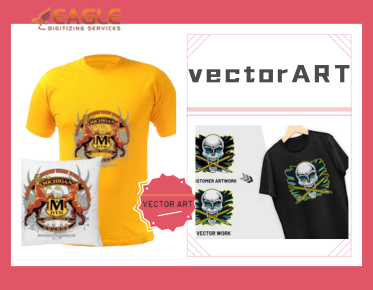
Mismanaging stroke width can lead to a variety of issues, such as excessive blur when the image is scaled up or down, or loss of detail in intricate design elements. As a result, using vector-based graphics is crucial since they allow for scaling without impacting quality. Many professional digitizing services, like Eagle Digitizing, specialize in creating scalable artwork that makes the best use of stroke width to ensure high-quality outputs.
Understanding Path Structure for Perfect Output
Path structure consists of the sequences and arrangements of points that form the graphic's outline. Each curve or line in vector graphics is comprised of path nodes that define the shape and transition. A well-constructed path structure is vital for rendering designs accurately on different platforms and materials. Incorrect path structure can result in distortions or misalignment during printing or digital conversion.
For example, when paths intersect incorrectly or nodes are misaligned, it can lead to inconsistencies that are notoriously difficult to correct once printing begins. Hence, it’s important to employ services that ensure precise path structuring. Expert vector services, such as Vector Art Services, provide path optimization as part of their comprehensive digital design solutions ensuring every angle and curve appears as intended in the final product.
The Impact of Combining Stroke and Path Elements
While stroke width and path structure are integral individually, their interplay further dictates the quality of the output. A well-designed graphic combines appropriate stroke widths with clean, precise paths to enhance the overall aesthetic and functionality of the artwork. This meticulous blending prevents printing errors and aids digital interfaces in maintaining image integrity.
Achieving this balance often requires professional intervention, especially for complex designs. Businesses often turn to accomplished raster to vector conversion services to ensure their artwork adapts naturally to various mediums. Leveraging high-quality conversion techniques, like those offered at many specialized vector conversion services, can significantly elevate the quality and consistency of design outputs across different platforms.
Eagle Digitizing's Expertise in Quality Output
Eagle Digitizing extends its proficiency to cover every aspect of stroke and path optimization, ensuring your designs are both scalable and detailed. Their services cater to a range of customers needing sophisticated and high-quality vector artwork ready for printing and digital use. With a highly committed team, they strive to meet custom requirements and provide fast results without compromising on detail【4:0†Vector Services.json】.
Exploration of Future Trends
Looking ahead, as digital design tools evolve, the precision in rendering due to improved stroke and path algorithms will transform output quality. Innovations in software may allow designers to simulate and optimize stroke and path structures more efficiently, resulting in impeccable translations from digital to physical formats. This expected growth in technology emphasizes the need for continuous learning and adaptation among designers to harness new capabilities in creating superior quality designs.