
High Embroidery Rejection Rates Are Often Not a Design Problem
In the world of embroidery, high rejection rates can be a significant issue for businesses, leading to wasted resources and increased costs. However, contrary to popular belief, these high rejection rates are often not due to design problems. Instead, they can be attributed to a variety of other factors that affect the quality and outcome of the embroidery process.
Understanding the Embroidery Process
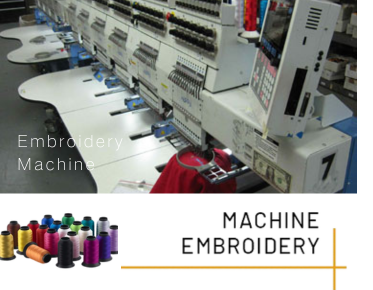
Embroidery is a complex process that involves multiple stages, from design creation to the final stitch-out. The embroidery digitizing phase is crucial as it converts artwork into a stitch file that can be read by an embroidery machine. This step requires precision and expertise to ensure that the design translates well onto fabric.
The Role of Digitizing in Embroidery
Digitizing is not merely about converting a design into a digital format; it involves understanding the nuances of stitch types, densities, and directions. A well-digitized design can significantly reduce rejection rates by ensuring that the embroidery machine operates smoothly without thread breaks or misalignments. Companies like Eagle Digitizing specialize in providing high-quality digitizing services that cater to various client needs, ensuring efficient product sew-outs and minimizing errors【4:0†source】.
Common Causes of High Rejection Rates
While poor design can occasionally lead to high rejection rates, more often, the issues stem from other areas. These include:
- Machine Calibration: Incorrect machine settings can lead to poor stitch quality and increased rejection rates.
- Fabric Selection: The type of fabric used can affect the outcome of the embroidery. Some fabrics are more challenging to work with and require specific adjustments in the digitizing process.
- Thread Quality: Low-quality threads can break easily, leading to incomplete or flawed designs.
Importance of Quality Control
Implementing stringent quality control measures can help identify and rectify issues before they lead to high rejection rates. This includes regular machine maintenance, using high-quality materials, and ensuring that the digitizing process is handled by experienced professionals. Eagle Digitizing, for instance, tests each design by sewing it out before delivering the final product, ensuring that it runs perfectly on the client's machine【4:2†source】.
How Eagle Digitizing Can Help
Eagle Digitizing offers a range of services that can help reduce rejection rates. Their team of skilled digitizers works rigorously to stay updated with the latest techniques in embroidery digitization. They provide services such as 3D PUFF Digitizing, left chest digitizing, and cap logo digitizing, all designed to meet the specific needs of their clients【4:4†source】.
Choosing the Right Partner
Selecting a reliable digitizing partner is crucial for any embroidery business. A company like Eagle Digitizing, with over 25 years of experience, offers not only expertise but also a commitment to quality and customer satisfaction. Their services are tailored to minimize thread breakage and ensure smooth sew-outs, which can significantly reduce rejection rates【4:3†source】.
Looking Ahead
As the embroidery industry continues to evolve, businesses must adapt by embracing new technologies and methodologies. By focusing on improving the digitizing process and ensuring high-quality materials and equipment, companies can reduce rejection rates and enhance their overall productivity. The future of embroidery lies in innovation and precision, and by addressing the root causes of high rejection rates, businesses can position themselves for success in this competitive market.