
Why Some Vector Files Are Impossible to Fix Without Redrawing
Understanding Vector Files
Vector files are a crucial aspect of modern digital imaging, offering a way to scale images to any size without loss of quality. These files use mathematics to define shapes such as lines, curves, and polygons, meaning they can be resized infinitely without the pixelation that occurs with raster images. However, not all vector files are created equal, and sometimes the condition of a vector file necessitates redrawing rather than simple correction.
Reasons Some Vector Files Require Redrawing
There are myriad reasons that make vector files difficult to repair. One of the main issues is the complexity of the artwork. When a vector file contains numerous layers, intricate detail, or complex paths, these elements can become distorted or mangled beyond the ability of standard correction tools to resolve. Additionally, if the original vector file is poorly constructed with inconsistencies and errors from the initial design phase, correcting these issues might not be feasible without starting from scratch.
Low-Quality Original Scans
Another significant reason vector files can be impossible to fix is due to the quality of the original source. Often, vector files are created from scanned artwork that is of low quality. If the initial raster image was blurry or had poor resolution, it could be exceptionally difficult to create a usable vector from it without redrawing. Eagle Digitizing, for example, specializes in offering raster to vector conversion services but emphasizes the importance of starting with quality source material to ensure the best results.
Technological Limitations
Current technology, although advanced, has its limitations. Software used for vector editing cannot always resolve complex issues within a vector file, especially if the file is proprietary or in a format that is not widely supported. Some vector files may contain obsolete or corrupted data that modern software struggles to interpret. This was highlighted in leading discussions on vector file formats challenges and software compatibility.
Role of Professional Services
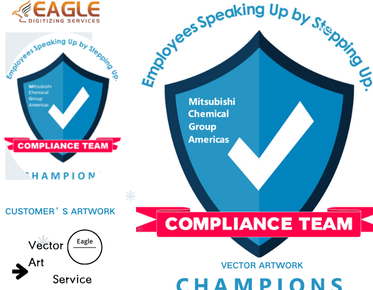
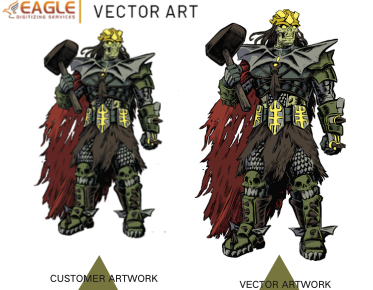
When vector files are too compromised, professional vector art services become indispensable. These services offer capabilities that go beyond standard editing software. Companies like Eagle Digitizing provide expert vector art services that include hand-drawn vectorization and comprehensive redrawing services to ensure the highest quality output. Their experience in dealing with complex artwork and ability to recreate vector files from scratch ensures premium results.
When to Consider Redrawing
Deciding when to attempt a fix versus opting for a redraw requires an understanding of both the limitations of current tools and the project's needs. If attempts at repairing a vector file are met with constant setbacks or if the integrity of the final image is non-negotiable, professional redrawing is likely the best course of action. Often, situations that require redrawing involve important brand logos or high-profile promotional materials where quality cannot be compromised.
Future Prospects
Looking ahead, the development of more intelligent vector processing tools that employ AI and machine learning could broaden the realm of what is possible in vector file repair. These advancements could potentially reduce the need for redrawing by offering smarter and more precise correction capabilities. The industry is poised for exciting innovations, and how vector art conversion evolves will likely impact how designers and businesses deal with problematic vector files.