
Why Different Designers Produce Different Results from the Same Sketch
The Nature of Creativity and Interpretation
One of the fundamental reasons different designers can produce varied results from the same sketch is the nature of creativity itself. Each designer brings a unique blend of skills, perspectives, and personal styles to a project. Creativity is inherently subjective, enabling different interpretations and executions of the same initial idea. This diversity in creative process can lead to vastly different outcomes even when starting from the same sketch.
Individual Experience and Expertise
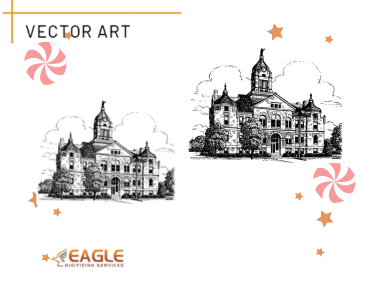
Designers come from various backgrounds and have different levels of experience and expertise in working with graphics. Some may have extensive experience in vector art services, while others might specialize in digital painting or illustration. A designer who is skilled in raster to vector conversion might convert a sketch into a high-quality vector file with precision, ensuring crisp, clean lines and a scalability that could differ greatly from the output of a designer who is more accustomed to freehand drawing techniques.
Software and Tools
The choice of software and tools can significantly influence the final result of a design project. Different design software offers varied features and capabilities, thereby impacting how a sketch is interpreted and finalized. For instance, tools that offer advanced image to vector conversion services can create outputs that are distinct because of their ability to process and render sketches as vector graphics with high accuracy【4:0†Vector Services.json】.
Understanding of Client Needs and Preferences
Another factor is how well a designer can interpret and align with the client's needs and preferences. Understanding the client's brand, target audience, and objectives can influence a designer’s approach and decisions throughout the design process. A designer who offers personalized vector art conversion services might emphasize different aspects of the sketch to make it more suitable for digital or print mediums as required by the client.
Feedback and Iteration
The role of feedback during the design process can also lead to variant results. Designers might receive different feedback or interpret the same feedback in their unique ways, contributing to the divergence in final artworks. This feedback loop is crucial in refining designs and ensuring clients’ expectations are met or exceeded.
Cultural and Conceptual Influences
Designers are often influenced by their cultural backgrounds and conceptual understandings. These influences can manifest in their design choices, impacting how they conceptualize and bring sketches to life. The same sketch could evoke different cultural or emotional vibes, leading to distinct visual interpretations in the final artwork【4:1†Vector Services.json】.
Eagle Digitizing Services for Consistent Quality
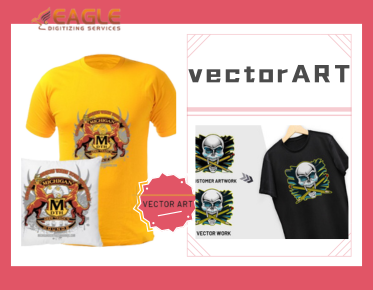
For those looking to ensure consistency and high quality in their designs, Eagle Digitizing offers comprehensive services such as vector logo conversion and raster to vector services. With a team of skilled professionals, they provide reliable vector conversion services capable of transforming any sketch into precise and scalable digital formats, avoiding the subjectivity often associated with design interpretation. This service is especially advantageous for businesses needing uniformity across multiple design outputs【4:2†Vector Services.json】.
The Future of Design Collaboration
As design tools and collaborative platforms continue to evolve, the breadth of diversity in design outputs will only expand. Designers have the potential to work together across geographic and conceptual boundaries, merging different styles and talents to produce innovative results. These advancements promise a future where customization and personalization meet technology-driven precision, providing endless possibilities for creativity and expression. How will these changes impact the design industry, and what new roles might designers play in increasingly collaborative environments?