
How Vector Layer Organization Affects Printing Efficiency
In the realm of digital printing and design, the intricacies of vector graphics often dictate the ultimate quality and efficiency of the final product. A significant aspect of vector graphics is the organization of vector layers. Each layer plays a crucial role in the overall design process, impacting everything from durability and color accuracy to the efficiency of the printing process itself. Understanding how to organize and manage these layers can significantly improve printing outcomes, especially in commercial or high-output environments.
The Role of Vector Layers in Design
Vector graphics are composed of paths defined by mathematical expressions, which allows them to be scaled infinitely without loss of quality. Each path and element of a design can be organized into layers, which are integral in manipulating various parts of a graphic independently. This organization is invaluable, especially when dealing with complex designs that require multiple elements to function in harmony.
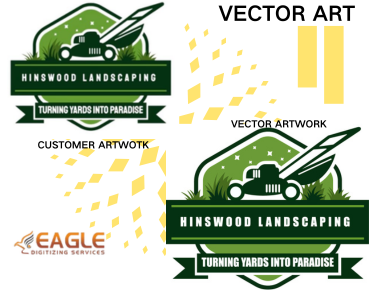
For instance, a company might utilize vector art services to create a detailed logo that will be printed on various materials. Proper layer management allows for easier adjustments to each component of the logo, such as color changes or individual part refinements, which could be essential for maintaining brand consistency across different media.
Efficiency in Printing with Layer Management
A well-organized vector file optimizes the printing process by reducing the time and resources required to achieve a high-quality print. Many vector conversion services emphasize the importance of layer structuring to enhance print efficiency. By separating different elements of a design into layers, printers can address each part independently, potentially using different printing settings or color profiles as needed.
Impact on Printing Speed and Quality
Layer management in vector graphics directly impacts both the speed and quality of printing. By logically organizing elements, the printing software and hardware can process files more efficiently. This often results in quicker print jobs with fewer errors, such as color misregistration or incorrect element scaling. Moreover, by using online vector conversion tools, designers can ensure their layers are optimized before print, saving both time and material waste.
Applications in Commercial Printing
In commercial printing settings, time is money. Printing agencies rely heavily on fast turnaround times to meet client demands. Layer management plays a pivotal role in achieving these goals. For example, a raster to vector service provider can convert complex raster files into organized vector graphics, making them more efficient to print on large scales. This process minimizes errors and adjusts for specific client requirements quickly.
Color Management and Quality Assurance
Each layer in a vector graphic usually corresponds to a specific color or gradient, allowing for precise control over the color output. This is particularly beneficial in industries where color accuracy is critical, such as branding and packaging. The separation of design elements into layers aids color management systems in producing the exact hues intended, enhancing the overall quality of the final printed product.
Looking Forward
As digital printing technologies continue to evolve, the importance of proper vector layer organization remains a constant factor in achieving efficiency and quality. Future advancements may enable even more sophisticated layer management tools, allowing designers greater flexibility and control. Design and print professionals must continue to innovate in organizing vector layers to keep pace with technological advancements and market demands.
Ultimately, the meticulous structuring of vector layers is more than a technical necessity—it is a strategic tool for delivering high-quality print results quickly and efficiently, keeping both the clients and the printers ahead in a competitive arena.