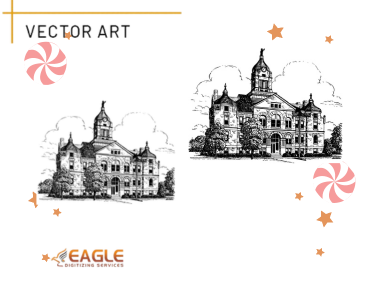

Auto-Tracing vs Manual Vectorization: What Really Works Better in Printing?
Understanding Vectorization in Printing
Vectorization is a critical aspect of modern printing, transforming raster images made up of pixels into vector graphics consisting of paths. This not only increases the scalability of graphics without loss of quality but also simplifies modifications and adaptations for various media. The printing industry heavily relies on these vector formats due to their precision and versatility.
What is Auto-Tracing?
Auto-tracing is a feature available in many vector graphic applications where software algorithms trace the raster image, converting it into vector paths automatically. This process is often praised for its speed and ability to handle large batches of images with minimal human intervention.
Perks of Manual Vectorization
Manual vectorization, in contrast, involves a human artist or technician meticulously tracing over raster images, often using graphic tablets to ensure accuracy and fidelity to the original design. This method allows for greater creative control and attention to detail, essential for complex and intricate designs.
Comparison: Speed and Efficiency
In terms of speed, auto-tracing clearly trumps manual vectorization. Automated processes can convert numerous images in a fraction of the time it would take a human to do one. However, for projects where subtle details and quality cannot be compromised, manual vectorization remains superior.
Quality and Detail in Vectorization
While auto-tracing technologies have advanced, they still struggle to match the intricate detail achieved through manual vectorization. This process allows for nuanced adjustments to line thickness, anchor point positioning, and color gradients, ensuring the final image meets high quality standards often required in premium printing jobs.
Cost Considerations
The cost of vectorization varies significantly between these two methods. Auto-tracing, often bundled with software packages like Adobe Illustrator or Corel Draw, adds negligible cost to existing workflows. Manual vectorization, due to its labor-intensive nature, tends to be more expensive. However, the extra cost can be justified by the improved quality of the final output for certain applications.
The Role of Technology in Vectorization
Technology is continually closing the gap between auto-tracing and manual methods. Advanced algorithms powered by AI are increasingly incorporating features that mimic human decision-making in vectorizing artwork. However, the human touch remains invaluable for certain aesthetic decisions where software might falter.
Case Studies and Real-World Applications
Screen Printing
Screen printing heavily relies on vector graphics. Auto-tracing can quickly prepare designs for simple projects. However, intricate designs like multicolor prints in fashion often necessitate manual vectorization to ensure each color and detail is perfectly translated to print.
Digital Printing and Large Formats
In digital printing, vectors play a crucial role. Here, both auto-tracing and manual vectorization find their spaces. Auto-tracing speeds up projects involving simple logos or text-heavy graphics while manual methods shine in high-quality poster printing where detail and vibrancy are paramount.
The Competitive Edge: Eagle Digitizing
Companies like Eagle Digitizing offer a blend of both techniques to maximize productivity and quality. Their experienced team leverages advanced software for fast conversion while ensuring detailed manual adjustments for high-standard projects. Their expertise extends beyond simple conversions, offering creative solutions like background removal, ghost mannequin effects, and color separations to enhance print quality.
Future Perspectives in Vectorization
Looking toward the future, the printing industry may witness further advancements in automatic vectorization technologies, potentially reducing the manual workload even in complex projects. Innovations in machine learning and AI could lead to smarter algorithms capable of even greater precision and creativity. However, the demand for high-quality manual vectorization will likely persist, especially among brands and artists who prioritize meticulous craftsmanship.
The decision between auto-tracing and manual vectorization ultimately depends on the project needs. As technology evolves, these two techniques may converge, offering new possibilities in the realm of professional vector graphics. Meanwhile, exploring both options can enrich printing strategies and offer a competitive edge in delivering superior quality prints.