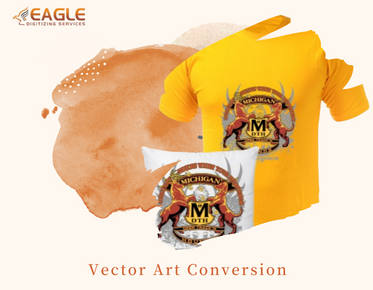

Why Vector Files Created for Screen Use Fail in Physical Printing
Vector graphics are a staple in the digital design world due to their scalability and precision. However, when transitioning from screen use to physical printing, these files often pose unexpected challenges, resulting in less-than-perfect print outcomes. Understanding the nuances of vector files is essential for ensuring your print projects are successful, whether you're using them for vector art services or promotional materials.
Understanding Vector Graphics
Vector graphics are made up of paths defined by a start and end point, along with other points, curves, and angles along the way. Unlike raster files, vector graphics can be easily resized without loss of quality. This makes them ideal for digital platforms where screen sizes and resolutions can vary. However, this scalability also introduces complexities during vector conversion services for print outputs.
Why Vector Files Fail in Printing
Color Space Discrepancies
The color reproduction across different devices and mediums is a significant reason vector files fail when printed. Screens typically use RGB color models, which are vastly different from the CMYK models used in printing processes. Colors that appear vivid and bright on screen might look dull or even change significantly when printed. Services such as color correction and vector color separation can help align the digital and printed outcomes but understanding these differences is crucial for anyone involved in designs for physical outputs.
File Compatibility and Format Issues
Another reason vector files can result in print failures relates to file compatibility and format issues. Not all printing systems or software supports all vector file formats like .AI, .EPS, .PDF, and .SVG. Ensuring compatibility with the intended printing process is vital. For instance, Eagle Digitizing offers a versatile range of formats ensuring designs are ready for any printing application.
Resolution and Detail Misalignment
While vector graphics maintain their quality irrespective of size, the printing equipment themselves have resolution constraints. High-resolution outputs often demand more detailed information than a typical vector file optimized for digital use can provide. Services like vector art design services can be crucial in crafting a print-ready piece, focusing on details that would be lost with a regular digital file.
The Role of Professional Vector Conversion Services
Professional vector conversion services bridge the gap between digital design and successful print output. Companies such as Eagle Digitizing specialize in transforming vector files designed for screen use into print-ready formats. Their offerings such as hand-drawn vectorization service, background removal, and color corrections cater specifically to overcoming the conversion challenges encountered during the printing process.
Practical Tips for Successful Printing with Vector Files
To minimize issues, designers should work closely with their printing service providers. Understanding the specific needs of a project—whether it requires higher resolution, specific color profiles, or particular file formats—can streamline the transition from screen to print. Moreover, leveraging vector image services can ensure the final product meets expectations in quality and appearance.
As technology evolves, so do the methods of merging digital designs with tangible products. Constant advancements in both vector graphics software and printing technologies are leading to improved solutions for these cross-medium challenges. Designers and businesses that stay informed and adapt quickly will benefit from enhanced outcomes, ensuring that every piece of printed material reflects the effort and creativity put into its digital conception.
For those in the industry, the future suggests a convergence of digital and physical, where tools and services will continue to evolve to make these transitions smoother. Engaging with professional services that keep pace with these innovations ensures that your works are not only viewed but experienced in the ways they were intended.
.png "vector art service")