
Auto-Tracing vs Manual Vectorization: What Really Works Better in Printing?
In the world of printing, accuracy and quality are paramount. The debate between auto-tracing and manual vectorization is a crucial one for businesses and artists alike, especially when converting raster images into scalable vector graphics suitable for high-quality print materials. Both techniques have their advantages and limitations, and choosing the right method can impact the final outcome considerably.
Understanding Vectorization
Vectorization is the process of converting raster images, which are made up of pixels, into vector images defined by paths. This conversion allows images to scale without losing quality—an essential factor for producing clear and crisp printed materials. The two primary methods of vectorization are auto-tracing and manual vectorization.
Auto-Tracing: The Automated Advantage
Auto-tracing involves using software to automatically convert bitmap images into vector format. Programs like Adobe Illustrator and Corel Draw have powerful tools for this task. The advantages include speed and ease, as these tools can process complex images quickly without manual input. This method is ideal for vector art services focusing on efficiency, particularly for simpler designs where precision is not paramount.
Challenges of Auto-Tracing
Despite the automation benefits, auto-tracing can fall short with intricate designs. The software might not accurately interpret fine details, leading to a loss of quality. Additionally, high contrast changes and subtle color gradients can pose difficulties, often requiring significant post-processing to achieve the desired quality levels.
Manual Vectorization: Crafting with Precision
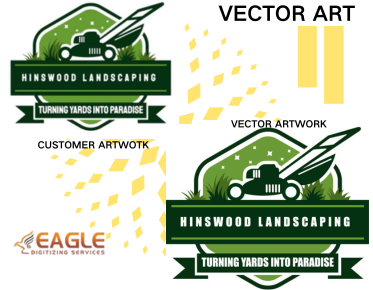
Manual vectorization is a disciplined art form whereby a designer hand-traces an image using vector graphics software, ensuring exact replication of every detail. This method is advantageous for projects requiring high precision and detail, such as vector logo conversion for branding materials.
Why Manual Vectorization Works Best for Detailed Projects
The meticulous nature of manual vectorization guarantees that every line and curve of the original image is captured accurately. This is especially critical for complex artwork where subtle nuances are key. Although more time-consuming, it offers unparalleled quality, making it the preferred choice for artists and businesses investing in their branding and promotional materials.
Choosing the Right Method for Printing
When deciding between auto-tracing and manual vectorization, consider the project's complexity and quality requirements. Auto-tracing suits simple designs and tight deadlines, while manual vectorization is preferable for intricate designs where precision is necessary.
Eagle Digitizing excels in providing bespoke vectorization services. By leveraging a skilled team and cutting-edge technology, they deliver exceptional results whether your project requires speed or detailed precision. They specialize in raster to vector conversion, ensuring high-quality output for applications such as screen printing, marketing, and branding materials【4:0†Vector Services.json】.
Conclusion: What Really Matters in Printing?
The ultimate choice between auto-tracing and manual vectorization depends on the unique requirements of your project. As the printing industry evolves, understanding these techniques' strengths and weaknesses will be essential. Evaluate your needs, whether they're professional precision or quick turnaround, and choose the method (or combination thereof) that aligns with your goals. In an era of rapid digital transformation, staying informed about these techniques could provide the competitive advantage necessary for success.