
Are JPEGs vector files?
In the world of digital graphics and design, understanding the difference between raster and vector files is essential. Each has its uses and ideal applications, but they are fundamentally different. One common question that arises is whether JPEGs, a widely used image format, are vector files. The short answer is no; JPEGs are not vector files. To comprehend why this is the case, it's crucial to delve deeper into what constitutes these file types and their distinct characteristics.
Understanding Raster Files
Raster files, such as JPEGs, PNGs, and GIFs, are made up of a fixed number of pixels. These pixels form a grid that collectively creates an image. The main attribute of raster images is their resolution, measured in dots per inch (DPI). A higher DPI implies a higher resolution and, consequently, clearer images. However, one of the notable limitations of raster files is that they lose quality when scaled up beyond their original resolution. Enlarging a raster image results in pixelation, which is not ideal for all design needs.
Vector Files Explained
In contrast to raster files, vector files use mathematical equations to represent images, employing lines, curves, and shapes. This means that vector files, like SVG or AI formats, are resolution-independent. They can be scaled to any size without losing quality, making them ideal for logos, typography, and complex illustrations that require scalability. Vector graphics are typically created using software like Adobe Illustrator or Corel Draw, which cater to precision and flexibility in design.
Why JPEGs are Not Vector Files
JPEGs are predominantly utilized for photographs and complex images where subtle shading and gradients are prevalent. These images are best captured using a raster format that can handle a broad color palette and detailed pixel work. Despite the ease of use and compatibility of JPEGs with various platforms and devices, they are not suited for scenarios where resizing without losing resolution is necessary. This is where vector files shine, providing the capability to maintain image quality at all scales.
Converting from Raster to Vector
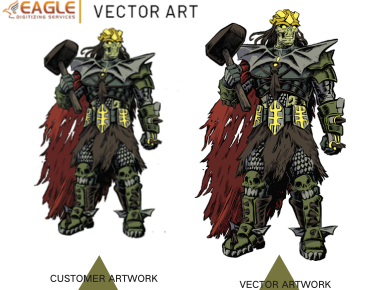
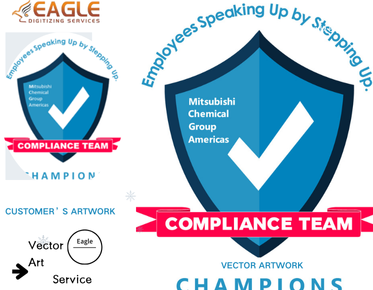
There are situations where converting a JPEG (or another raster file) to a vector format is beneficial. This conversion process is known as raster to vector conversion and requires specialized software. Services like Eagle Digitizing offer vector conversion services to transform your existing raster images into versatile and scalable vector files, which can then be used for various professional applications including printing and advertising【4:2†source】.
Applications and Implications
The choice between using a raster or vector format often depends on the specific requirements of a project. For projects that involve intricate designs requiring adaptability in size, vector graphics are the optimal choice. Common vector file formats include EPS, SVG, and PDF, which are highly favored in the industry for their scalability and editability【4:0†source】. Conversely, JPEGs remain popular for their simplicity, ability to depict detailed images, and compatibility across web and digital platforms【4:1†source】.
Future Trends in Image Formats
As the digital world continues to evolve, so do the tools and formats used in design and creation. The demand for flexible and scalable design assets is likely to increase, potentially leading to the development of new technologies that bridge the gap between raster and vector formats. For now, understanding the strengths and limitations of each type allows designers to make informed choices that suit the needs of their projects. Ultimately, whether you are working with JPEGs or need a vector file conversion, having knowledge of both formats equips you to navigate the complexities of digital design more effectively.