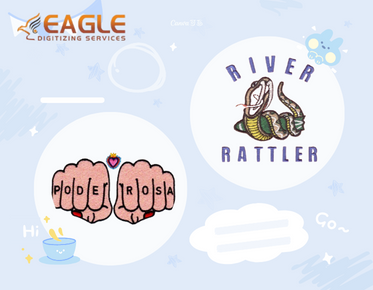
.png "embroidery digitizing")

How do you digitize embroidery for small text and fine details?
Embroidery digitizing is a crucial process that transforms artwork into a format that embroidery machines can read. This process becomes particularly challenging when dealing with small text and fine details. The intricacies involved require a high level of precision and expertise to ensure that the final embroidered product is both legible and aesthetically pleasing.
Understanding the Basics of Embroidery Digitizing
Embroidery digitizing involves converting a design into a digital file using specialized software. This file guides the embroidery machine on how to stitch the design onto fabric. The process requires careful consideration of various factors such as stitch type, density, and direction to achieve the desired outcome. For small text and fine details, these factors become even more critical.
Challenges in Digitizing Small Text and Fine Details
When digitizing small text, the primary challenge is maintaining legibility. The text must be clear and readable, which can be difficult due to the limitations of thread thickness and fabric texture. Similarly, fine details in a design can be lost if not digitized with precision. The key is to balance the stitch density and type to ensure that the details are captured without causing the fabric to pucker or the thread to break.
Choosing the Right Stitch Type
For small text, a satin stitch is often preferred due to its smooth finish and ability to create clean lines. However, for very small text, a running stitch might be more appropriate as it uses less thread and reduces the risk of thread buildup. For fine details, a combination of different stitch types may be necessary to capture the intricacies of the design.
Adjusting Stitch Density
Stitch density refers to the number of stitches in a given area. For small text and fine details, the density must be carefully adjusted to avoid overcrowding, which can lead to thread breakage and fabric distortion. A lower density might be required for delicate fabrics, while a higher density can be used for more robust materials.
Tools and Techniques for Precision Digitizing
Advanced embroidery digitizing software offers tools that help in achieving precision. Features such as zooming in on the design, adjusting stitch angles, and simulating the embroidery process can aid in refining the digitization of small text and fine details. Additionally, using high-quality images as a reference can significantly improve the accuracy of the digitized design.
Testing and Iteration
Testing is a crucial step in the digitizing process. By running a test embroidery, digitizers can identify any issues with the design and make necessary adjustments. This iterative process ensures that the final product meets the desired quality standards. Companies like Eagle Digitizing emphasize testing each design to ensure it runs perfectly on the machine before delivery【4:0†source】.
Professional Digitizing Services
For those who may not have the expertise or time to digitize their designs, professional services are available. Companies like Eagle Digitizing offer specialized embroidery digitizing services that cater to small text and fine details. With over 25 years of experience, Eagle Digitizing provides high-quality digitizing with a focus on minimizing thread breakage and ensuring smooth sew-outs【4:3†source】.
Advantages of Professional Services
Professional digitizing services offer several advantages, including access to skilled digitizers, quick turnaround times, and the ability to handle complex designs. These services often include revisions and format conversions at no extra cost, ensuring customer satisfaction【4:1†source】.
Conclusion: The Future of Embroidery Digitizing
As technology advances, the tools and techniques for embroidery digitizing continue to evolve. The future promises even more precise and efficient methods for handling small text and fine details. For businesses and individuals looking to create high-quality embroidered products, staying updated with the latest digitizing trends and technologies will be essential. Whether through professional services or self-digitizing, the goal remains the same: to produce beautiful, durable, and legible embroidery that stands the test of time.