
How to Digitize Retro and Bold Creative Embroidery Patterns to Match Different Fabric Textures
Embroidery digitizing is an art that combines creativity with technology, transforming intricate designs into stitch files that embroidery machines can read. When it comes to retro and bold creative embroidery patterns, the challenge is not only in capturing the essence of the design but also in ensuring that it matches the texture of the fabric it will be embroidered on. This process requires a deep understanding of both the design elements and the characteristics of different fabrics.
Understanding Fabric Textures
The first step in digitizing embroidery patterns is understanding the fabric textures. Different fabrics have unique properties that affect how the embroidery will look and feel. For instance, a design that looks stunning on a smooth silk fabric might not have the same impact on a coarse denim material. Fabrics like cotton, silk, wool, and synthetics each have their own texture, weight, and stretchability, which influence the choice of stitches and the density of the embroidery.
Choosing the Right Stitch Type
The type of stitch used in embroidery digitizing plays a crucial role in how the final design appears on the fabric. For retro and bold designs, satin stitches are often preferred for their smooth and shiny finish, which can highlight the boldness of the design. However, for textured fabrics, a combination of fill stitches and running stitches might be more appropriate to ensure the design stands out without overwhelming the fabric's natural texture.
When working with fabrics like velvet or corduroy, which have a pile, it's essential to use underlay stitches to prevent the pile from showing through the embroidery. This technique helps in maintaining the integrity of the design while ensuring it complements the fabric's texture.
Adjusting Stitch Density
Stitch density refers to the number of stitches within a specific area of the design. Adjusting the stitch density is crucial when digitizing for different fabric textures. For instance, a high stitch density might be suitable for sturdy fabrics like canvas but could cause puckering on lightweight fabrics like chiffon. Therefore, it's important to adjust the stitch density based on the fabric to ensure a smooth and professional finish.
Color Considerations
Color plays a significant role in embroidery, especially for retro and bold designs. The choice of thread color should not only complement the design but also the fabric. For example, using contrasting colors can make the design pop on the fabric, while complementary colors can create a more subtle and harmonious look. It's also important to consider the fabric's colorfastness to ensure that the embroidery maintains its vibrancy over time.
Utilizing Professional Digitizing Services
For those who may not have the expertise or time to digitize embroidery patterns themselves, professional digitizing services like Eagle Digitizing offer a valuable solution. With over 25 years of experience, Eagle Digitizing provides high-quality digitizing services that cater to a wide range of client needs. Their team of skilled digitizers is adept at using the latest software to ensure maximum accuracy and quality in every design.
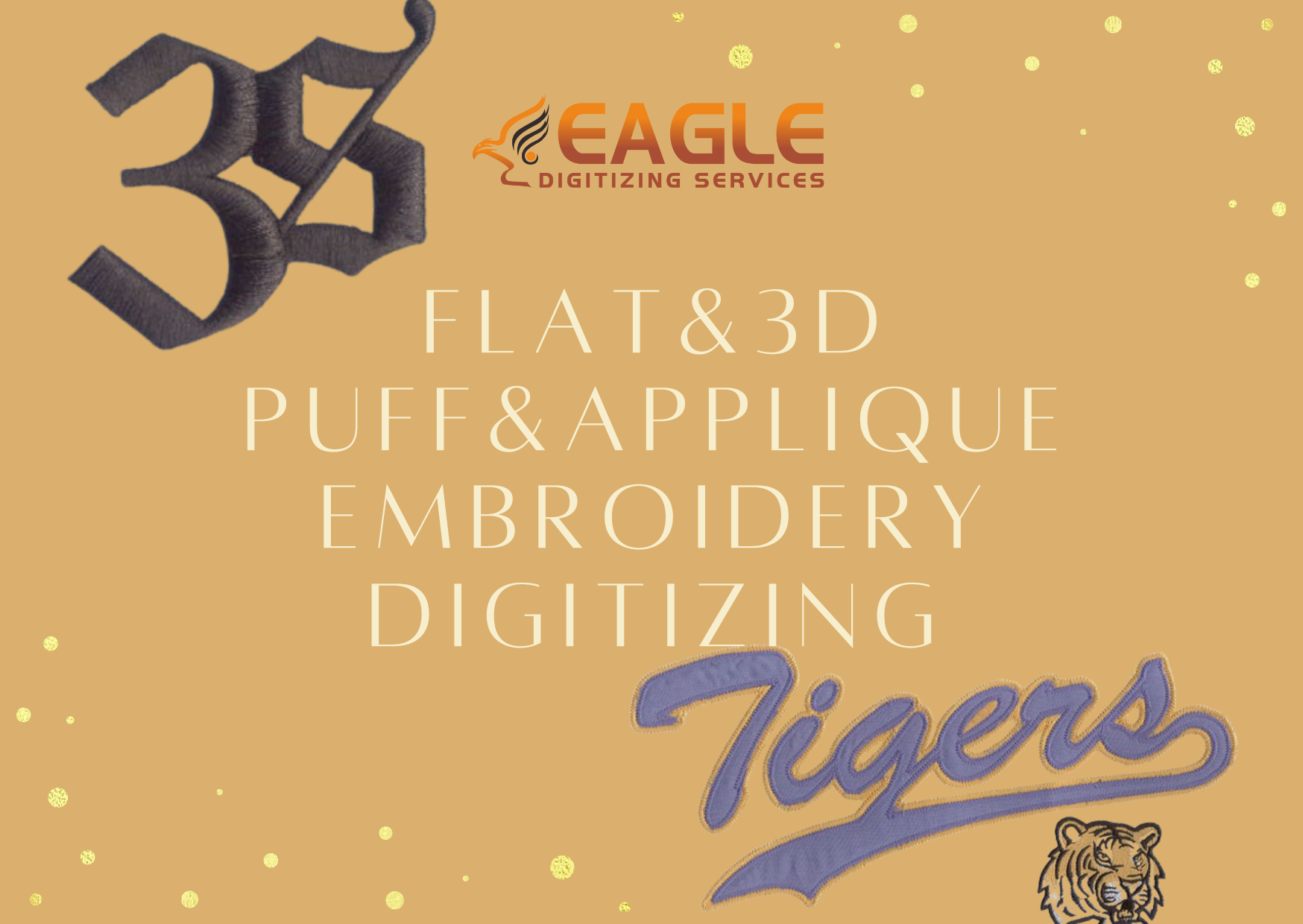
Eagle Digitizing specializes in various embroidery styles, including 3D Puff and Chenille embroidery, which are perfect for creating bold and textured designs. They also offer quick turnaround times, often completing projects within 2 to 24 hours, ensuring that clients receive their digitized designs promptly.
Matching Designs with Fabric Textures
One of the key aspects of successful embroidery digitizing is matching the design with the fabric texture. This involves selecting the appropriate stitch types, adjusting stitch density, and choosing the right colors to enhance the design's appearance on the fabric. By considering these factors, digitizers can create embroidery that not only looks good but also feels right on the chosen fabric.
For those looking to digitize their own designs, there are numerous online resources and software available that can assist in the process. However, working with a professional service like Eagle Digitizing can provide the expertise and assurance needed to achieve the best results.
Future Trends in Embroidery Digitizing
As technology continues to evolve, the field of embroidery digitizing is also advancing. New software and tools are being developed to make the digitizing process more efficient and accessible. Additionally, there is a growing trend towards sustainable and eco-friendly embroidery practices, which includes using organic fabrics and environmentally friendly threads.
The future of embroidery digitizing looks promising, with innovations that will allow for even more intricate and detailed designs. As these technologies become more widely available, they will open up new possibilities for creativity and customization in embroidery.
Whether you're a seasoned embroiderer or just starting out, understanding the intricacies of digitizing retro and bold creative embroidery patterns can greatly enhance your projects. By considering the fabric texture and utilizing professional services when needed, you can ensure that your embroidery designs are both visually stunning and perfectly suited to their fabric canvas.