
How to Digitize Monogram Designs?
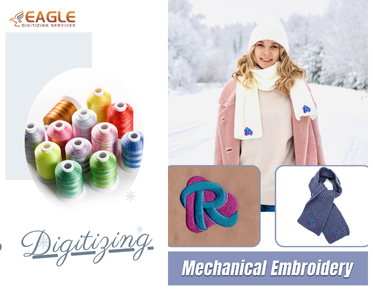
Digitizing monogram designs is a fascinating process that transforms simple initials into intricate embroidery patterns. This process involves converting artwork into a digital format that embroidery machines can read and execute. The art of digitizing monograms requires a blend of creativity, technical skill, and a keen eye for detail. In this guide, we will explore the steps involved in digitizing monogram designs, the tools required, and some tips to ensure high-quality results.
Understanding the Basics of Monogram Digitizing
Before diving into the digitizing process, it's essential to understand what monogram digitizing entails. Essentially, it involves using embroidery digitizing software to trace and convert monogram artwork into a stitch file. This file is then used by embroidery machines to stitch the design onto fabric. The process is similar to other forms of embroidery digitizing, but with a focus on the unique characteristics of monograms, such as their often intricate and interwoven letterforms.
Tools and Software for Monogram Digitizing
To digitize monogram designs, you will need specialized software that can handle the intricacies of embroidery digitization. Popular software options include Wilcom, Hatch, and Brother PE-Design. These programs offer a range of features that allow you to customize stitch types, densities, and directions to achieve the desired look for your monogram. Additionally, having a reliable computer and a compatible embroidery machine is crucial for testing and executing your designs.
Steps to Digitize Monogram Designs
1. Preparing the Artwork
The first step in digitizing a monogram is to prepare the artwork. This involves selecting the letters and style of the monogram. You can create your own design or use pre-existing templates. Ensure that the artwork is clear and high-resolution, as this will affect the quality of the final embroidery.
2. Importing the Design into Software
Once your artwork is ready, import it into your embroidery digitizing software. This step involves setting up the design parameters, such as the size, orientation, and placement on the fabric. It's important to consider the fabric type and color, as these factors can influence the appearance of the final design.
3. Digitizing the Design
With the design imported, you can begin the digitizing process. This involves tracing the artwork with stitches using the software's tools. Pay attention to the stitch types and directions, as these will affect the texture and durability of the embroidery. Use a combination of satin, fill, and running stitches to achieve the desired effect.
4. Testing and Adjusting
After digitizing the design, it's crucial to test it on your embroidery machine. This step allows you to identify any issues with the stitch quality or design execution. Make necessary adjustments in the software, such as altering stitch density or adjusting the design's size, to ensure optimal results.
Tips for Successful Monogram Digitizing
To achieve the best results in monogram digitizing, consider the following tips:
- Choose the right thread colors to complement the fabric and enhance the monogram's visibility.
- Experiment with different stitch types to add texture and depth to the design.
- Use a stabilizer to prevent the fabric from puckering during embroidery.
- Test the design on a similar fabric before finalizing it on the actual garment.
Leveraging Professional Digitizing Services
If you're new to digitizing or require a high level of precision, consider using professional digitizing services. Companies like Eagle Digitizing offer expert services that ensure your monogram designs are digitized with accuracy and efficiency. Their team of skilled digitizers can handle complex designs and provide quick turnaround times, making them an excellent choice for businesses and individuals alike.
Exploring the Future of Monogram Digitizing
As technology continues to advance, the future of monogram digitizing looks promising. With the development of more sophisticated software and embroidery machines, the possibilities for creating intricate and personalized monograms are expanding. This evolution opens up new opportunities for businesses to offer unique and customized products to their customers. Whether you're a hobbyist or a professional, staying updated with the latest trends and tools in digitizing can help you stay ahead in the industry.
.png "vector art service")