
Key to Enhancing Productivity: The Application of Embroidery Services and Vector Art Design in the Manufacturing Industry
In the ever-evolving landscape of the manufacturing industry, the integration of embroidery services and vector art design has emerged as a pivotal strategy for enhancing productivity and efficiency. As businesses strive to differentiate themselves in a competitive market, these services offer unique advantages that can significantly impact the bottom line.
The Role of Embroidery Services in Manufacturing
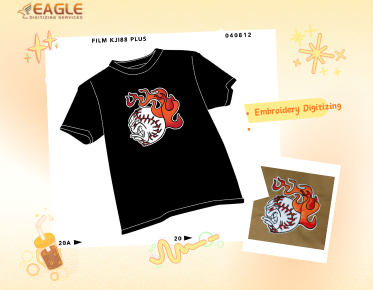
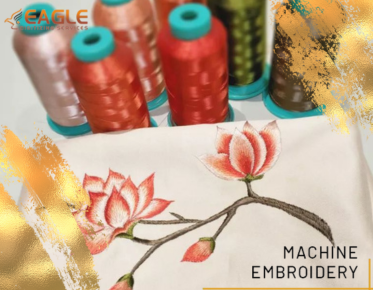
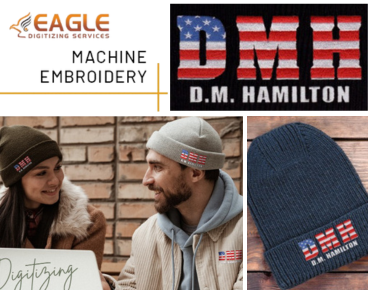
Embroidery services have long been a staple in the apparel and textile sectors, but their application extends far beyond traditional boundaries. By incorporating embroidery digitizing into manufacturing processes, companies can achieve a higher level of customization and precision. This is particularly beneficial for branding purposes, where logos and designs need to be replicated consistently across a range of products.
Customization and Branding
Customization is a key trend in today's consumer-driven market. Customers are increasingly seeking products that reflect their personal style and preferences. Embroidery services enable manufacturers to offer personalized products, enhancing customer satisfaction and loyalty. By using advanced digitizing techniques, intricate designs can be reproduced with high accuracy, ensuring that the brand's image is maintained across all products.
Efficiency and Cost-Effectiveness
Incorporating embroidery services into the manufacturing process can also lead to significant cost savings. By automating the embroidery process through digitization, manufacturers can reduce labor costs and minimize errors. This not only speeds up production times but also ensures a consistent quality of output, which is crucial for maintaining brand reputation.
Vector Art Design: A Complementary Tool
Vector art design plays a complementary role in enhancing the capabilities of embroidery services. Unlike raster images, vector graphics are scalable without loss of quality, making them ideal for creating designs that need to be resized for different applications. This scalability is particularly useful in manufacturing, where designs may need to be adapted for various product sizes and formats.
Precision and Versatility
Vector art design offers unparalleled precision, which is essential for creating detailed and intricate designs. This precision ensures that every element of the design is accurately represented, which is crucial for maintaining the integrity of the brand's visual identity. Additionally, vector art is versatile and can be used across a range of media, from digital platforms to physical products.
Streamlining the Design Process
The use of vector art design streamlines the design process, allowing for quicker turnaround times and reduced costs. By creating a single vector file, manufacturers can easily modify and adapt designs as needed, without the need for extensive rework. This flexibility is particularly beneficial in fast-paced industries where time-to-market is a critical factor.
Eagle Digitizing: A Leader in Embroidery and Vector Art Services
One of the leading providers of embroidery and vector art services is Eagle Digitizing. With over 25 years of experience, Eagle Digitizing offers a range of services designed to meet the needs of businesses across various industries. Their team of skilled digitizers is adept at using the latest software to create high-quality designs that minimize thread breakage and ensure smooth sew-outs.
Eagle Digitizing is known for its quick turnaround times, often delivering completed designs within 2 to 24 hours. This efficiency, combined with their commitment to quality, makes them a preferred partner for businesses looking to enhance their product offerings through embroidery and vector art design.
Future Trends and Considerations
As the manufacturing industry continues to evolve, the role of embroidery services and vector art design is likely to expand. Advances in technology will enable even greater levels of customization and precision, allowing businesses to offer truly unique products. Additionally, the integration of these services with other digital tools, such as 3D printing and augmented reality, could open up new possibilities for innovation and creativity.
For businesses looking to stay ahead of the curve, investing in embroidery and vector art services is a strategic move. By leveraging the expertise of providers like Eagle Digitizing, companies can enhance their productivity, reduce costs, and deliver products that resonate with consumers. As the demand for personalized and high-quality products continues to grow, the application of these services will be key to maintaining a competitive edge in the manufacturing industry.
What new opportunities might arise as technology continues to advance in this field? How can businesses further integrate these services to create even more value for their customers? These are questions that industry leaders will need to explore as they navigate the future of manufacturing.